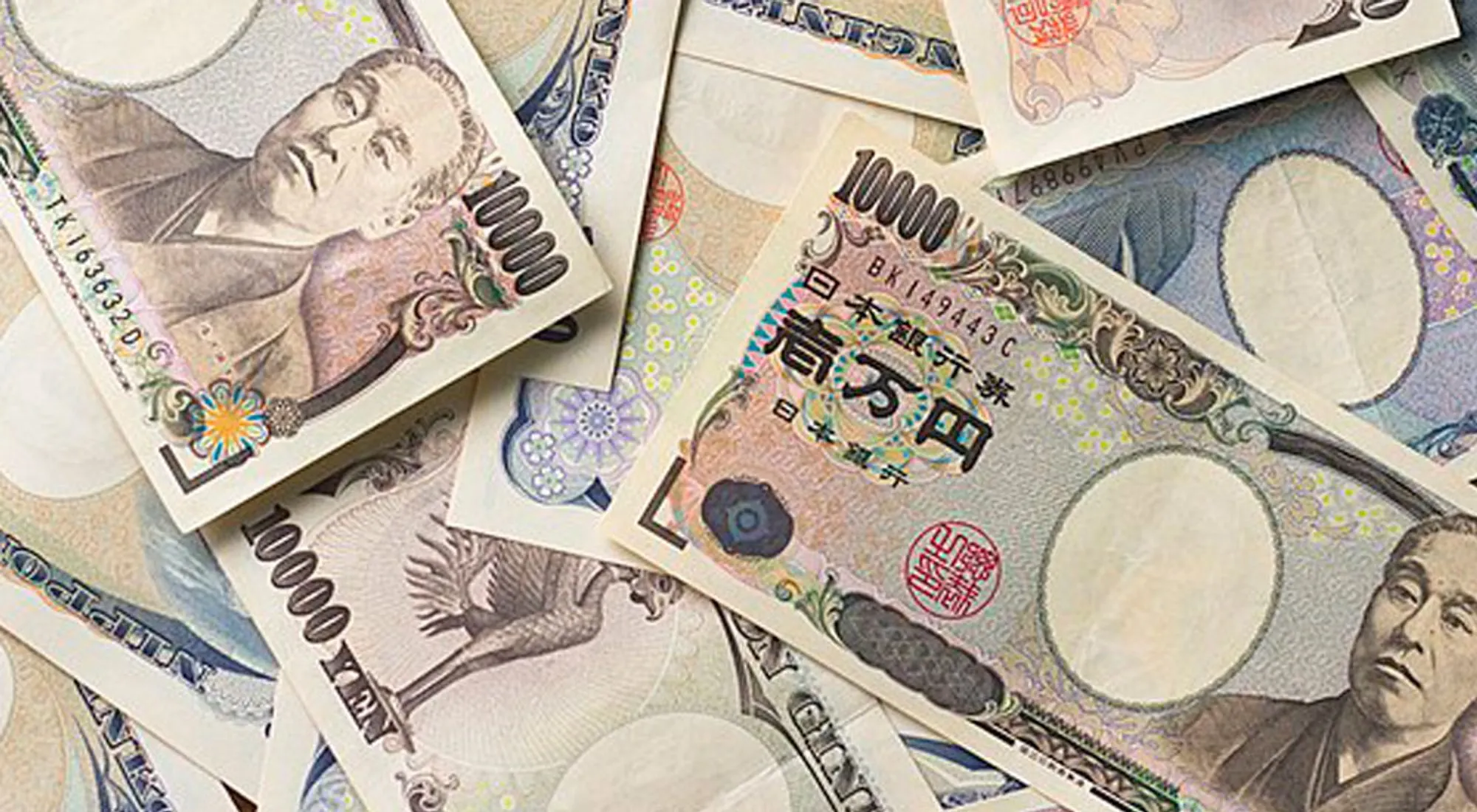
Back in 1990, the world was buzzing: West and East Germany were coming together, the Soviet Union was crumbling, and the Hubble Space Telescope took its first peek into the universe. That same year marks the last time the US Dollar held this much sway over Japan’s currency. On Sunday morning, the Japanese yen briefly hit 160 against the dollar — a result of the US flexing its muscles and uncertainties surrounding rate cuts.
- Despite Japan’s stock market reaching heights not seen since 1989 and its first interest rate hike in 17 years, the yen’s value against the dollar continues to slide.
- Following a slight rebound on Monday, the yen was down 10% year-to-date — while Japan’s central bank remains tight-lipped about potential interventions.
Why does this matter? A weaker yen could help push up exports and tourism, but it also means Japanese folks have less purchasing power against the dollar — which is nibbling away at the country’s impressive stock market gains. However, once the Fed starts cutting rates, the mighty dollar might come back down to Earth. Until then, its strength could continue causing ripples across the globe.

