Hormuz Ship Traffic Falls to Three-Week Low as US-Iran Attacks Escalate
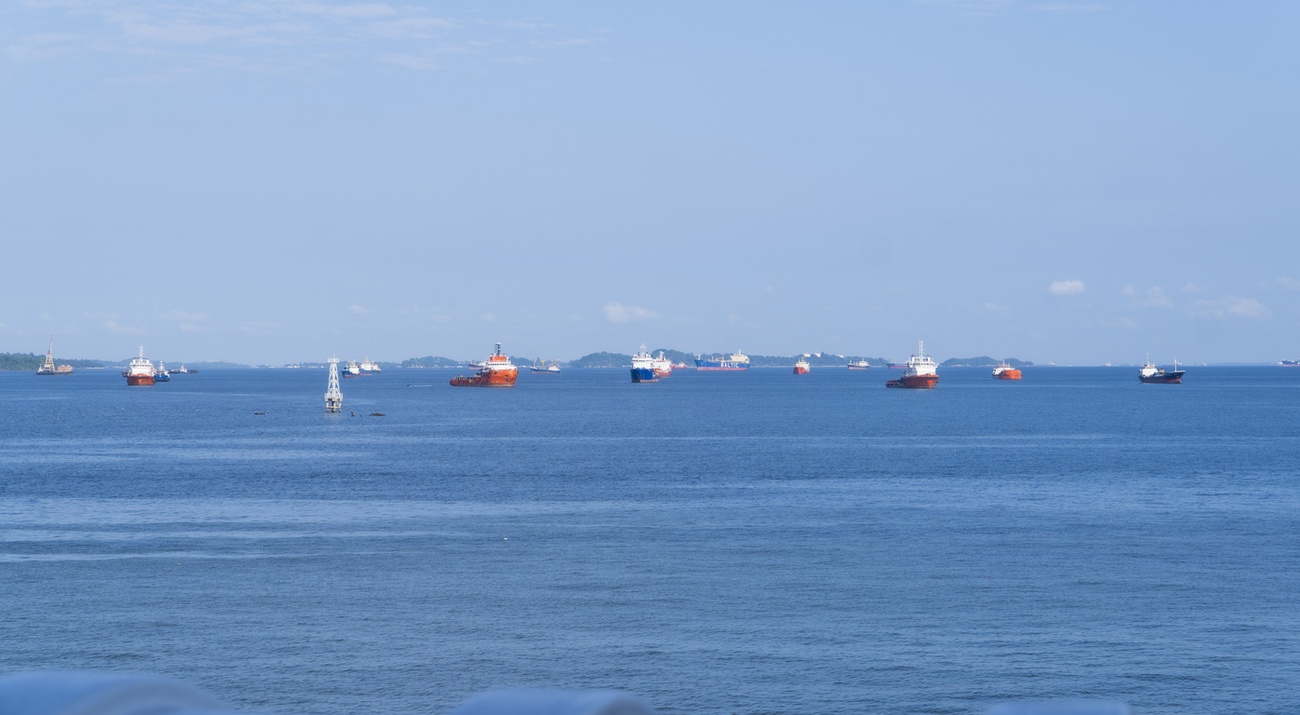
At least nine ships have come under attack since July 6 as Iran tries to force vessels through its territorial waters rather than a US-protected corridor along Oman's coast.
Iran has used anti-ship missiles in the attacks, according to Jakob Larsen, chief security officer at BIMCO, one of the world's largest shipping associations. The traditional mid-strait route also remains impassable due to mines, Larsen said, adding that a mine detonating under a ship is "extremely dangerous."
Ship transits through Hormuz fell to eight on Thursday, down from 15 the day prior, according to trade intelligence firm Kpler. Before the US and Israel struck Iran in February, more than 100 ships crossed daily.
The US reimposed a naval blockade
President Trump reimposed a blockade of Iranian ports on Tuesday after declaring the June ceasefire over. A previous blockade ran from Apr. 13 to Jun. 18, during which the US redirected more than 140 vessels and disabled nine ships.
On July 16, the US military fired Hellfire missiles into the smokestack of the Curacao-flagged tanker Belma, disabling it after it ignored warnings while heading toward Iran's Kharg Island oil terminal. Belma had previously been sanctioned for links with Iran.
Between the end of the first blockade and its reimposition, Iran exported at least 74M barrels of oil worth roughly $6B, according to analysts at United Against Nuclear Iran and TankerTrackers.com.
The US has since launched six rounds of airstrikes against Iran in response to the tanker attacks. Iran has retaliated with missile strikes on US allies in the Gulf, including a hit on a power and desalination plant in Kuwait.
Oil above $80, stocks under pressure
US crude rose above $80 a barrel on Friday, up roughly 2.5% on the day, while Brent climbed to $86.29. Global equity markets sold off simultaneously, with the S&P 500 down 0.85% and the Nasdaq off 1.62%.
Deutsche Bank analysts outlined three conditions that would typically cause a major stock selloff from an oil shock, including a price spike of 50-100% sustained over months. They said today's shock has not yet met those thresholds.
Energy stocks are bucking the broader selloff. US refining companies are rallying as Ukrainian drone strikes on Russian refineries boost diesel prices, with PBF Energy doubling in value this year. Truist Securities initiated coverage of uranium producer Cameco with a buy rating and a $129 price target, implying 40% upside.
For now, the Hormuz standoff shows no clear off-ramp, and shipping firms are left navigating a strait where neither crews nor cargo feel safe.

