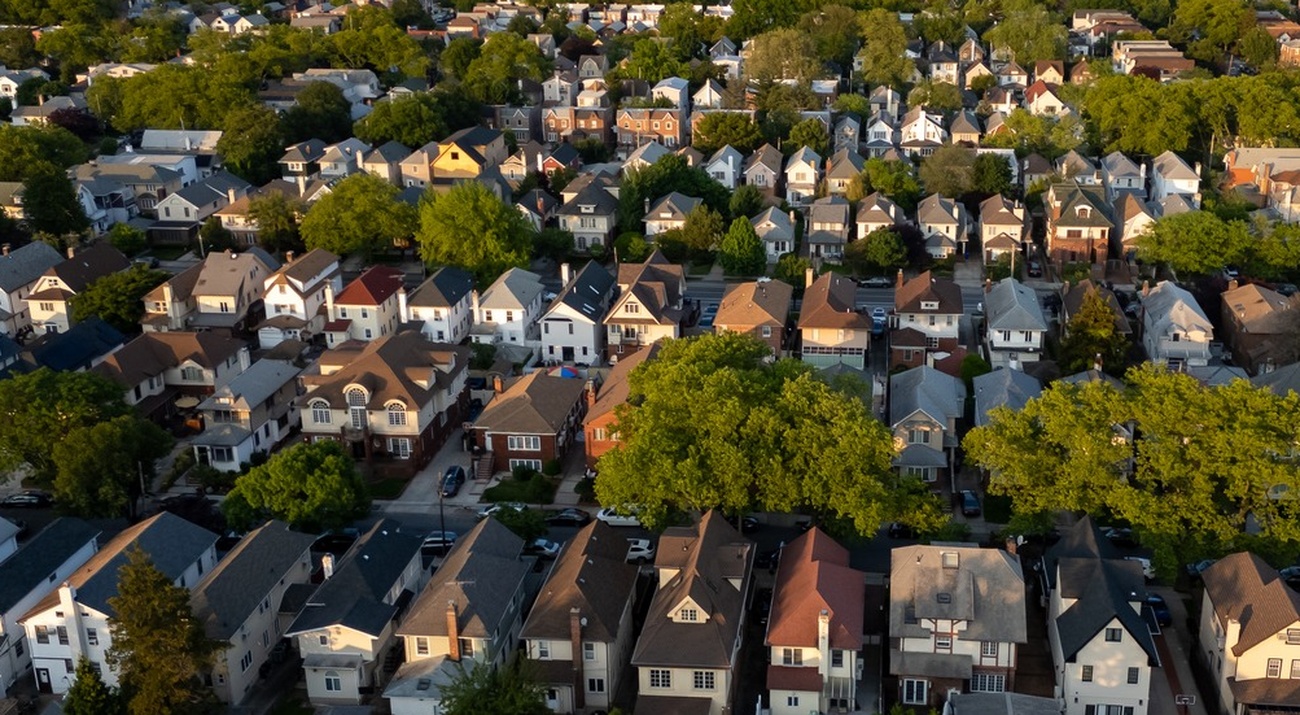
Baby boomers are buying bigger homes in retirement rather than downsizing, a shift that is transforming the US housing market in ways younger buyers are feeling acutely.
About 7% of buyers ages 61 to 70 said the main reason they chose their new home was to get more space, up from 4% for that age group in 2016, according to the National Association of Realtors.
Boomers now account for 42% of all home buyers and a dominant 55% of all sellers, and they're often cash buyers, giving them a structural edge over younger purchasers who need mortgages.
The driver is wealth. Baby boomers and older Americans hold roughly $110T in total wealth, much of it accumulated through decades of home and stock appreciation.
One Merrill Lynch financial adviser in Portland, Maine, said eight of her clients retired this year and every single one upsized.
"The historic retirement play of sell your home and buy a smaller one just isn't happening."
April Tardiff, Merrill Lynch
The trend is producing a generational imbalance in who owns what. Empty-nest boomers owned 28% of US homes with three or more bedrooms in 2024, compared with just 16% for millennial households with children, according to Redfin.
The inventory squeeze is distorting prices
Boomers who hold low-rate mortgages or own outright have little financial pressure to list, and those who do sell carry equity-fueled flexibility that younger buyers can't match. That supply freeze is part of why, for the first time in data going back to at least 1974, new homes are now cheaper than existing ones.
In Q1 2026, the median new single-family home sold for $403.2K, about $1.4K below the median existing home price of $404.6K, according to the National Association of Home Builders.
Builders have been shrinking home sizes, shifting construction toward the South, and offering incentives worth roughly 7% to 8% of sale prices to move inventory, concessions that don't show up in headline price figures.
Existing sellers, by contrast, are holding firm. Resellers want prices their neighbors got a year or two ago and can simply delist and wait. Builders have holding costs and can't.
Affordability is losing momentum
The median existing single-family home price reached $446.4K in June. The income needed to qualify for that median-priced home climbed to $109.2K.
Yet there's a nuance. Wages grew at 3.5% annually, outpacing the 1.8% year-over-year rise in home prices, and mortgage rates eased from 6.82% in June 2025 to 6.49% last month, according to Freddie Mac data.
That combination improved the NAR affordability index to 102.3, up from 95.5 a year ago, but still down sharply from January's 116.5. The average first-time buyer age hit a record 40 in 2025, and the first-time buyer share fell to an all-time low of 21%.
Until the gap between the average outstanding mortgage rate near 4.3% and prevailing rates near 6.5% narrows, transaction volumes are likely to stay depressed and the pressure on younger buyers isn't going anywhere.

