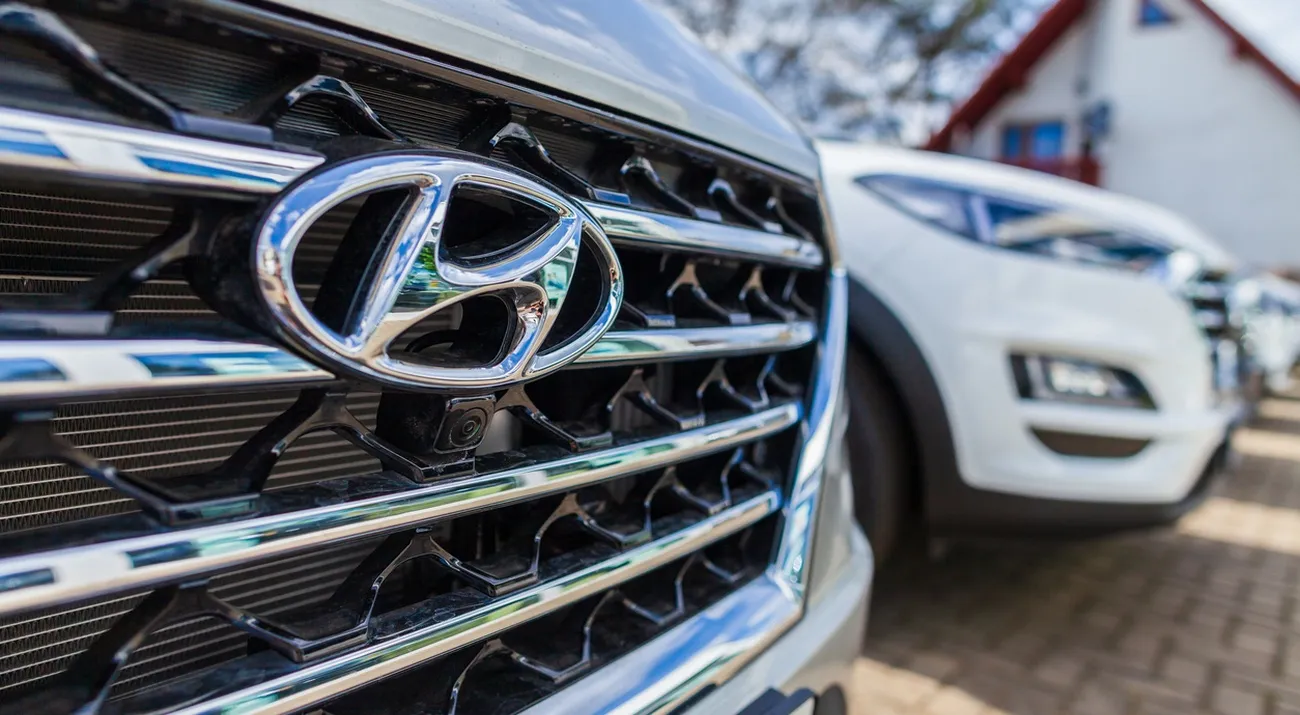
Hyundai Motor launched its biggest product offensive ever on Aug. 26, pledging more than 100 model introductions and refreshes globally through 2030 and raising its operating margin target to above 9%.
The plan, presented at the company's 2026 CEO Investor Day in Seoul, centers on the US, where Hyundai says it will deploy 58 of those new and updated vehicles.
Hybrids are taking center stage as Hyundai plans to offer more than 10 models in North America by 2030, with hybrids accounting for roughly half of its regional sales by then.
US hybrid sales rose 19% in the first half of 2026, while Hyundai's own hybrid sales climbed 71% in the second quarter.
"This is the most ambitious product offensive in our history."
Jose Munoz, Hyundai Motor
The numbers behind the ambition
Hyundai has already proven it can grow. The company grew its US market share from 8.4% in 2020 to 11.8% through the first half of 2026, a gain no other major automaker has matched this decade.
Its Hyundai and Kia brands are each up roughly 45% in US sales since 2020, making the group the fourth best-selling automaker in the country.
Hyundai plans to invest $26B in the US through 2028, including an expansion of its Georgia plant to as many as 800K vehicles a year.
The automaker also wants to build at least 80% of the vehicles it sells in the US domestically by 2030.
Tariffs are part of the calculus. Under a US-South Korea trade agreement, Hyundai faces a 15% US tariff on imported autos. Munoz said the tariffs are accelerating localization plans the company had already set in motion before they were announced.
New segments, new competition
Hyundai is also entering segments it has never competed in. The company plans to launch body-on-frame trucks and a midsize pickup, moves that would put it directly against Ford, General Motors, and Toyota.
Seven new vehicles arrive in the next eight months alone, including an all-new Tucson, a Tucson hybrid, the Ioniq 3 compact EV, and the Santa Fe Extended-Range EV. That last model targets more than 600 miles of total range and will be built in Alabama.
Hyundai stock fell on the day of the announcement, with analysts at Korea Investment & Securities attributing the drop partly to a lack of updates on robotics. Shares are still up nearly 250% since 2020.

