Homebuilders Boomed On Rate Cut Hopes — Now They’re Now Pulling Back Amid Uncertainty Around Rates and Housing Affordability
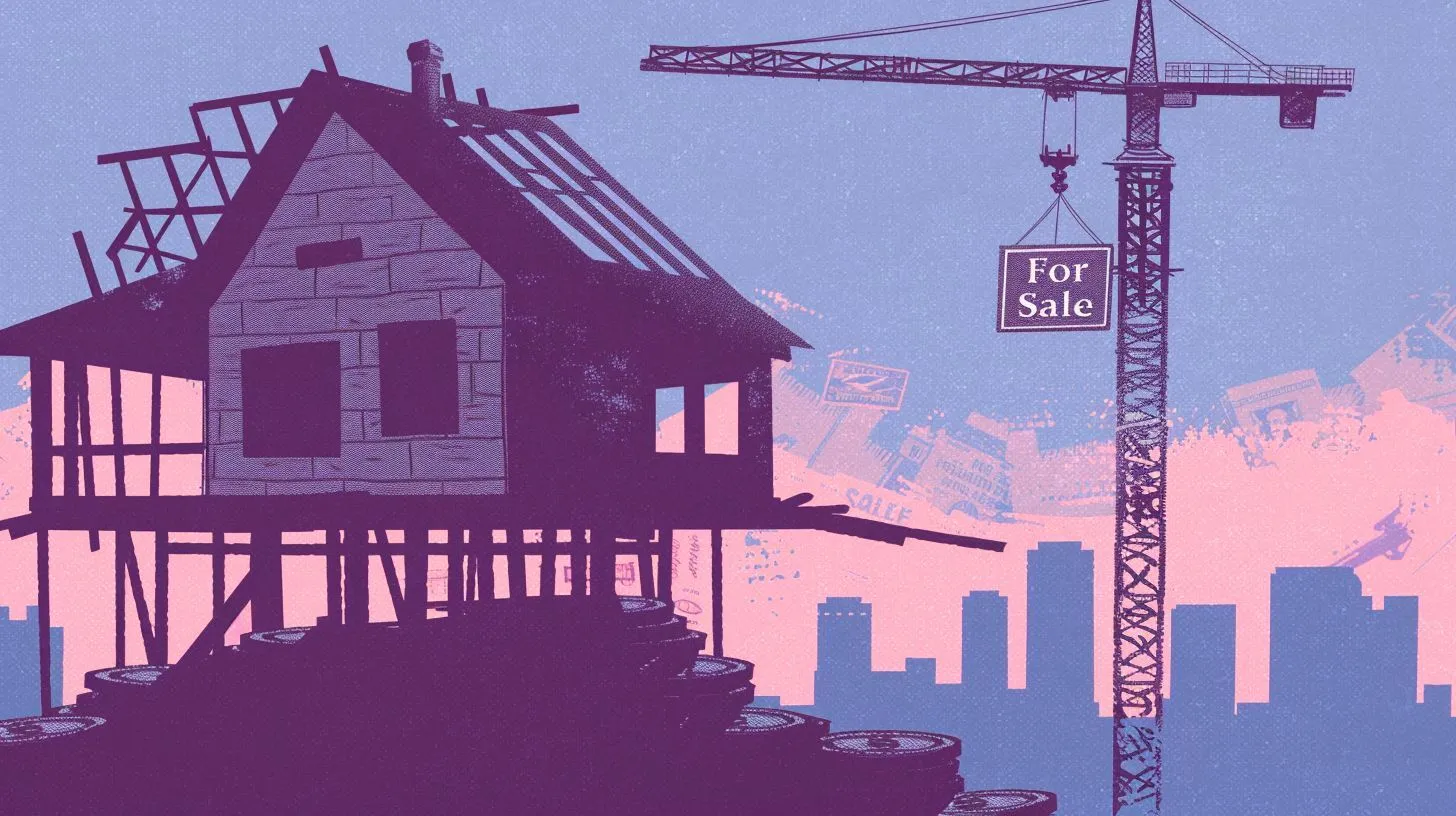
We’ve always heard, “If you build it, they will come.” But for many property developers, high interest rates and costly homes are now standing in the way. Earlier this year, with optimism that interest rates would soon fall, homebuilders vastly outperformed the S&P 500 — with the SPDR S&P Homebuilders ETF up as much as 43% on the year. But quietly, those gains have faded as the outlook for home prices and interest rates grows more uncertain.
Hammer time: America may have a housing shortage, but busy construction companies are seeing stagnant home orders after a busy few years of residential construction. As a result, much-needed housing construction is being delayed, and builders are putting on their salesman hats. D.R. Horton reported timid demand for new housing orders, attributing it to “rate volatility and uncertainty.” Other builders, like Toll Brothers, are offering promotions to win over buyers worried about affordability, financing costs, and inventory shortages.
- On Thursday, Fed Chair Jerome Powell said, “The economy is not sending any signals that we need to be in a hurry to lower rates,” muddying expectations of a widely anticipated December Fed cut.
- With “starter homes” now entering the seven-figure price range in 200 US cities, higher financing costs are making the chasm between housing prices and affordability even wider.
Buying the Boom
The SPDR S&P Homebuilders ETF has risen 23% year-to-date, slightly trailing the S&P 500’s 25% performance — a sign of investor caution. However, that hasn’t stopped dealmakers from putting up cash for homebuilders, anticipating that current market conditions will eventually improve — and the paydays will follow.
- According to CNBC, dealmakers have been lining up for American homebuilders, with at least 19 homebuilder agreements so far this year and more expected.
- Consolidation in the housing market comes as housing demand surges, with investors hoping for massive returns by investing in the solution to America’s housing crisis.
But not so fast: According to SoFi, a $100k annual income supports a $300K home price. However, in Q3 2024, the median US home sale price reached $420.4K — still well out of the ballpark for most Americans’ finances. In every major metro, it’s now cheaper to rent than to own. Some landlords are embracing home rentals to bridge the gap, but a boom in multifamily units has created competition for single-family homes — enough so that many cost-conscious Americans may stop envisioning themselves as owners, choosing to remain tenants for the foreseeable future.

