Google Is Betting the Next Smartphone Upgrade Cycle Will Be Driven by AI
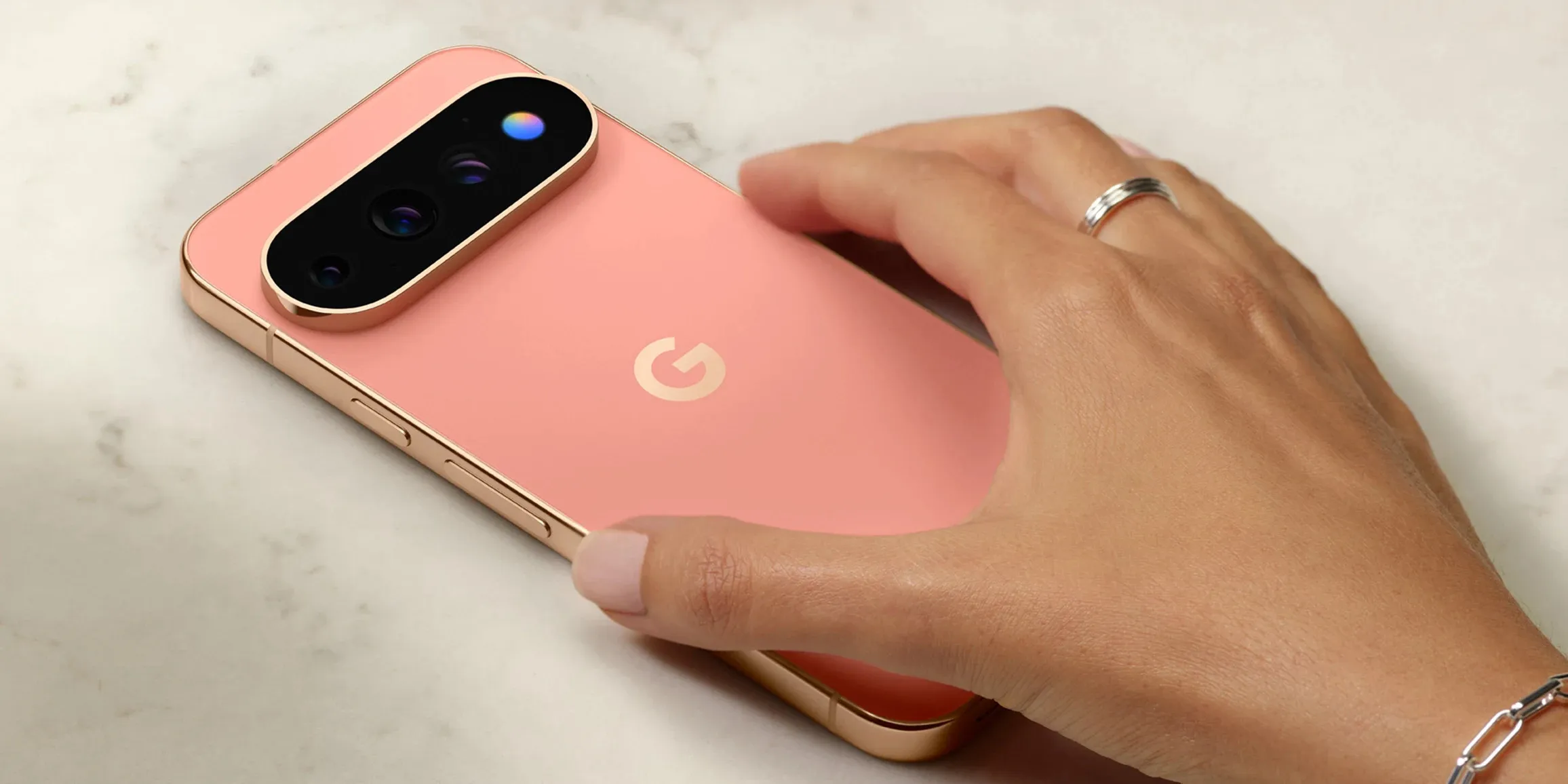
Google unveiled its Pixel 11 lineup on Aug. 12 with prices starting at $899, $100 more than last year’s models. The increase comes as tight supplies of RAM and flash memory drive up hardware costs across the industry, and devices chief Rick Osterloh warned that the squeeze is not over yet.
The memory shortage
The RAM and flash shortage is affecting the entire consumer electronics industry, not just Google. Osterloh told CNBC that everyone is being forced to raise prices, and Google is no exception.
Google also dropped the 128GB Pixel 11 entirely, eliminating what had been its lowest-priced option at $800. The new base model starts at 256GB of storage. Buyers are getting more storage for more money, but the trade-up wasn't entirely optional.
The full lineup pricing breaks down as follows: the Pixel 11 Pro starts at ~$1.1K, the Pixel 11 Pro XL at $1.3K, and the Pixel 11 Pro Fold at $1.9K.
Google is bundling a free six-month subscription to its AI Pro plan with the Pro and Pro XL models to soften the price perception.
Google wants AI running everything
The Pixel 11 comes with the usual hardware upgrades, including a slimmer camera bar, better night photography and stronger drop resistance on Pro models. But the real sell is Gemini Intelligence, which can understand what users are doing across apps and take actions for them.
Practical examples include pulling together availability from a calendar, comparing travel options from Maps, and beginning a restaurant reservation, all without switching between apps.
Google is also rolling out Rambler, a voice-input tool designed to handle natural, unstructured speech rather than requiring carefully phrased commands. A new ASL-to-text feature expands Live Transcribe using the Pixel camera.
"We think that it's going to grow in importance and perhaps someday become the primary way that people use their phones, their laptops and other devices."
Rick Osterloh, Google
Osterloh described the vision as "a totally new way to interact with a computer" — one where users don't just find information but get things done through an AI layer that sits across the entire device.
The Apple problem
Apple is rebuilding Siri around Google's own Gemini models, with a rollout expected this fall as part of iOS 27.
The new Siri targets the same capabilities Google is now showcasing on Pixel: reading personal context, understanding what's on screen, and executing tasks across apps.
That means Google is simultaneously competing against Apple in hardware and powering Apple's flagship AI feature. Osterloh pushed back on the idea that the two experiences will look the same.
He pointed to scam detection, Rambler, and deeper Android-level Gemini integration as features that won't exist on iPhone. "Pixel and iPhone are going in very different directions," he said.
The Pixel 11 launch gives Google a window of a few weeks to establish Gemini Intelligence as a distinct experience before Apple's version reaches a much larger installed base.
According to Counterpoint Research, Apple has more generative AI-capable smartphones already in consumers' hands than any other brand.
AI isn't moving phones yet
Counterpoint Research ranks AI at roughly sixth or seventh among consumers' reasons for upgrading a smartphone.
It has moved up one to two spots recently as Gemini and Apple Intelligence have become more capable, but it hasn't cracked the top five.
Forrester senior analyst Andrew Cornwall noted that Google continues to use software features, primarily AI, as its core upgrade argument.
The Pixel 11 hardware changes, including Magic Capture photography, Instant Night Sight on Pro models, and a new $29 Pixel Tag tracker, add substance to that pitch.
But Counterpoint's Tarun Pathak said compelling use cases and broader consumer awareness will determine whether growing AI interest translates into actual purchases.

