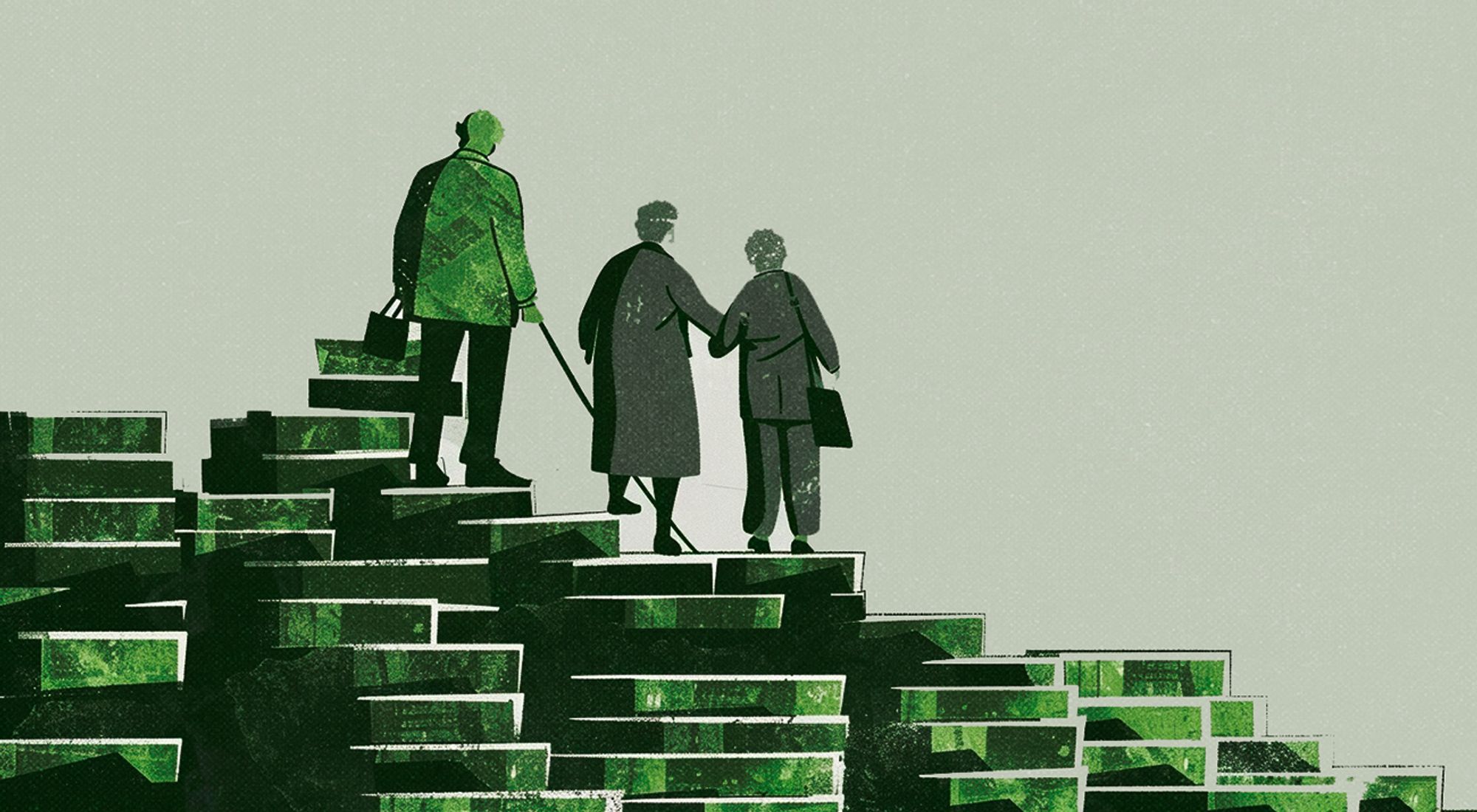
Hope you like your job, ‘cause you might be doing it for a long, long time. Countries worldwide are considering raising their retirement ages as people live longer and birth rates decline. This shift creates an imbalance in the global economy, with more retirees and fewer workers to support pension systems, stressing healthcare systems and national budgets. While these changes might make sense on paper, not everyone agrees.
The age-old problem: Last year, French President Emmanuel Macron raised France’s retirement age from 62 to 64, sparking significant public outcry and street protests. Following this, other countries have started to increase their retirement ages as well. In China, where many workers have traditionally retired between 50 to 60, the government announced plans to bump the retirement age due to a workforce shortage and declining birth rates. And most dramatically, a think tank is recommending the UK government consider altering the pension age to 75 to boost retirement savings. These changes are causing widespread discontent among younger citizens on social media, who are concerned about longer working years and poor job prospects.
- Gao Lingyun from the Institute of World Economics and Politics supports delaying retirement, stating, “It can increase the accumulation of social welfare and alleviate labor shortages due to population aging.”
- On the other hand, the National Pensioners Convention’s Jan Shortt criticizes this idea saying, “Making those already living with ill health wait even longer to claim their pension will only increase poverty and the demand on already-creaking services.”
Raising The (Retirement) Bar
In the US, the retirement age is currently 67, but some politicians suggest changing it to 70. By 2035, retirees might face a 17% reduction in full benefits due to concerns about Social Security shortfalls. As baby boomers reach their retirement years, many are working into their 70s because of growing living costs and the diminishing presence of workplace pensions. Last year, 20% of Americans over 65 were still working, nearly double the number from 35 years ago.
- If the retirement age goes up, nearly three-quarters of Americans could see their benefits cut — potentially leaving low- and moderate-income workers financially vulnerable when they retire.
- Proposed changes could result in a 14.3% reduction in benefits, costing median wage retirees up to $99K over ten years — or as much as 54% of their total account balance, depending on their age.
Pension tension: Social Security is the primary income source for 60% of US retirees, yet only 34% of future retirees believe it will be sufficient. While raising Social Security’s retirement age aims to reduce the long-term deficit, lowering it doesn’t seem feasible for supporting US seniors. Psychiatrist Gary Small suggests that raising the retirement age might help people maintain daily routines and potentially reduce the risk of cognitive decline.

