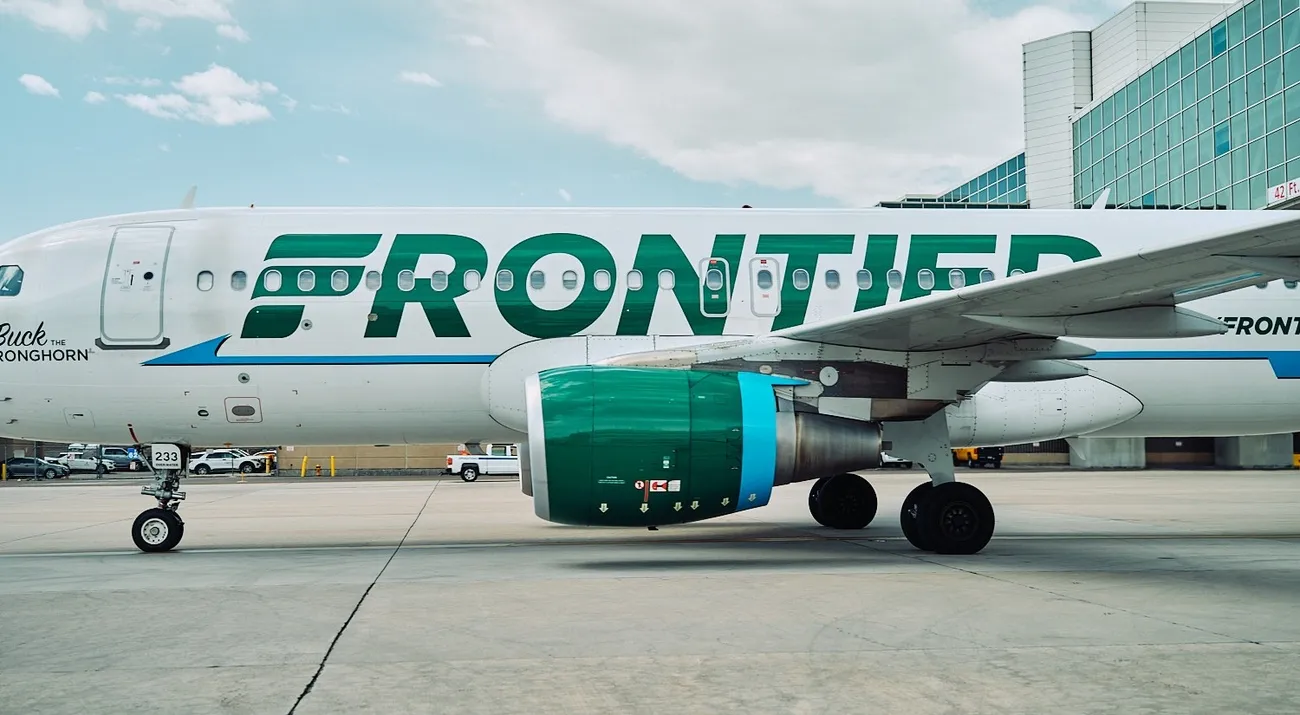
Frontier Airlines is selling its 2026 GoWild Fall & Winter Pass for $199, with access starting immediately and running through Feb. 28, 2027. That's roughly seven months of unlimited flights on Frontier's network for a flat fee.
What the pass actually costs per flight
The base fare per segment is $0.01, but taxes and fees apply on every booking. Taxes and fees run ~$14–$40 per one-way domestic segment. On a round trip, you can expect to pay $28–$80 even after buying the pass.
The pass pays for itself after roughly 10–12 one-way segments, assuming fees land around $30–$35 each. Bags and seat selection aren't covered.
Frontier charges those separately on every flight, and a traveler who checks bags on every trip is paying fees that erode the savings fast.
The booking window is the binding constraint
Domestic GoWild flights open for booking at midnight the day before departure. International routes open 10 days before departure.
There's no booking ahead on the standard pass without paying an early booking fee, which starts at $29 and can reach $89.
Blackout dates cover Labor Day weekend, the second weekend of October, Thanksgiving, Christmas, New Year's, and select January and February dates.
That's 34 blackout days during the fall/winter pass window, most of them the high-demand days when travelers most want to fly.
Through Aug. 17 only, pass holders can book ahead for travel through Jan. 4, 2027 and access blackout dates for $79–$159 per peak day.
Who actually breaks even on this
The pass works best for travelers near a major Frontier hub. Denver is the clearest advantage. Las Vegas, Orlando, Phoenix, and Atlanta also have strong GoWild seat availability.
Travelers in cities where Frontier is a secondary carrier face thinner inventory and a compounded booking-window problem.
Frontier doesn't give GoWild customers last-seat availability. A flight showing open seats on the main booking engine may show nothing for pass holders. Popular routes from top hubs tend to be fine but smaller markets are less reliable.
The pass is non-transferable and tied to one account. Couples and families who need seats on the same flight at the same time will find availability harder to coordinate.
The traveler who benefits most flies alone, packs only a personal item, and can genuinely leave the next morning.
Fliers who hit 8–10 one-way segments or more per year on Frontier routes, live near a hub, and can book at midnight are the ones who come out ahead.
For everyone else, the math requires honest accounting of how often last-minute travel is actually possible and whether Frontier's 120-destination network covers the routes they'd actually use.

