
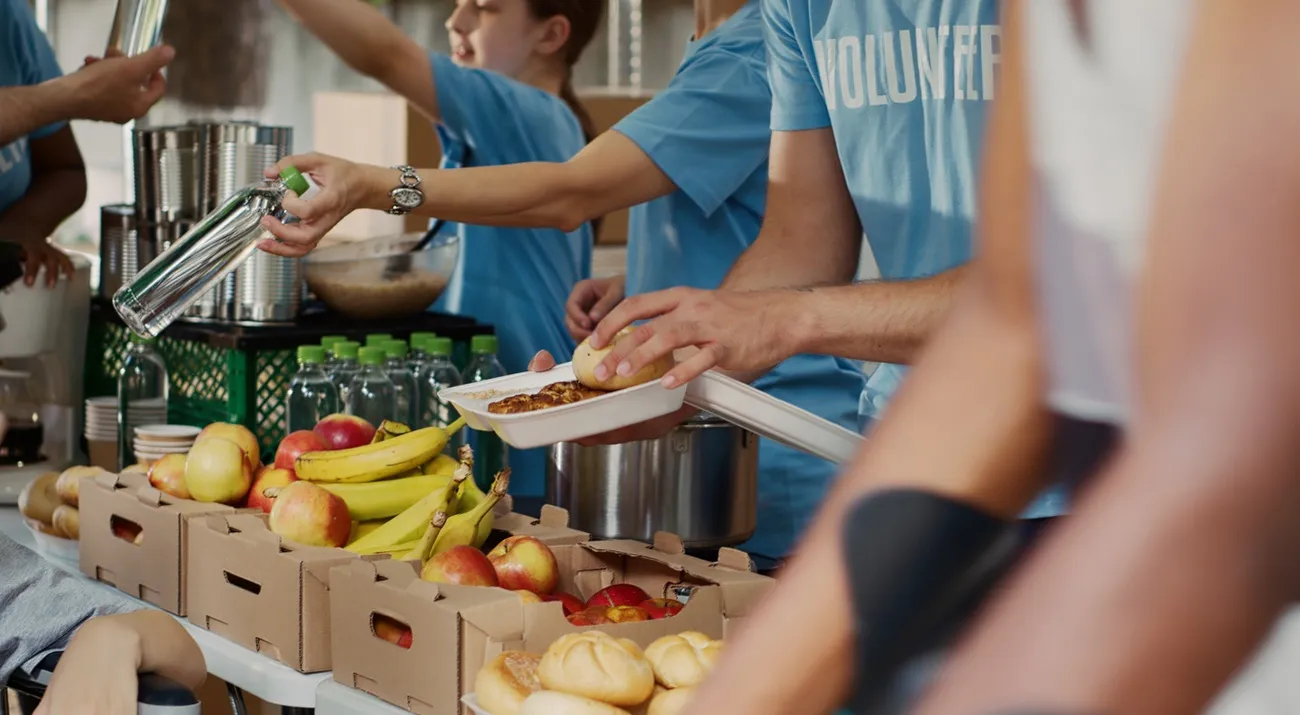
Charitable food groups are serving more people than they did during the pandemic's worst months, and many of the people now showing up have jobs.
The strain is national. The Agriculture Department's latest annual report found 13.7% of US households, roughly 18.3M households, experienced food insecurity in 2024, significantly higher than in every year from 2016 through 2021.
Average monthly visits to food pantries and soup kitchens in New York now run 85% higher than before the pandemic, according to City Harvest, which also puts food insecurity at 1 in 5 New Yorkers, up from 1 in 6 a year earlier. City Harvest estimates at least 8.7% of SNAP recipients in New York City lost benefits over the past year.
West Side Campaign Against Hunger, a Manhattan nonprofit, expects to distribute as much as 6M pounds of food this year. First-time users of Plentiful, a platform that connects people with pantries, rose roughly 56% in New York City from August to October, the second-largest fall surge since 2016.
The Atlanta Community Food Bank serves about 270K households a month, nearly 700K people, and says the number it serves has climbed more than 70% in five years.
More than 60% of its clients earn too much to qualify for the Supplemental Nutrition Assistance Program, with incomes generally in the mid-to-upper $30K range.
Food Bank Demand Is Climbing 56% to 85% Across These Measures
Percent increase in demand reported by food banks, by region and period
Bar chart. Percent increase. NYC pantry visits: Percent increase 85. Atlanta clients: Percent increase 70. NYC first-time users: Percent increase 56.
Source: City Harvest, Atlanta Community Food Bank and Plentiful, data reported by CNBC, November 2026
Federal rules are shrinking the safety net
The One Big Beautiful Bill Act, signed in 2025, expanded work requirements and restricted eligibility for some immigrants.
Adults covered by the rules must generally work, volunteer, or train at least 80 hours a month to keep benefits beyond three months in a three-year period.
North Carolina households on SNAP declined 7.7% between August 2025 and August 2026, while some partner pantries there report serving up to 60% more people than a year ago.
In the eight counties around Akron, SNAP enrollment fell 12% in 2026 versus 2025, and the Greater Cleveland Food Bank has served over 409K individuals this year.
A further proposed USDA rule would cut benefits by about $14B in the first full year, averaging roughly $340 a month for affected households, with 3.7M households losing eligibility. Public comments close Dec. 10.
Charities are absorbing higher costs
The Los Angeles Regional Food Bank distributed 116M pounds of food and grocery products from January through September, the equivalent of 93M meals.
Its diesel bill more than doubled in September, to roughly $75K, as refrigerated trucks kept running.
In Los Angeles County, about 260K CalFresh recipients fall under the expanded work requirements that took effect in June, though exemptions apply.
Charitable networks can't replace federal aid at that scale, since SNAP provides nine meals for every one a food bank supplies.
"Demand is growing while supply is not."
Catherine Compitello, Plentiful
Atlanta's food bank does not see relief coming soon and is planning for demand to hold near current levels or rise further.