FIFA is moving to sell US broadcast rights for the 2030 and 2034 World Cups, with some executives estimating a combined package worth up to $4B.
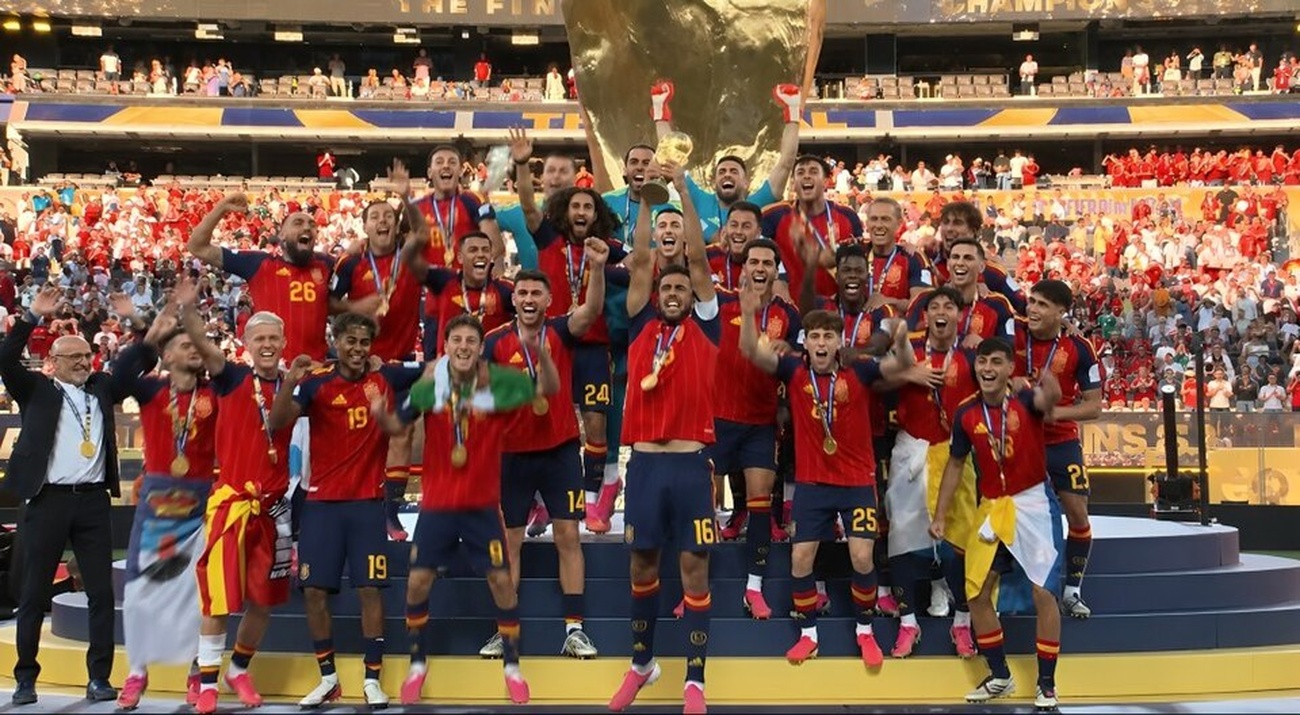
Spain beat Argentina 1-0 in Sunday's final at MetLife Stadium in New Jersey, capping what FIFA called the most popular World Cup ever.
More than 50M viewers watched the US lose 4-1 to Belgium in the Round of 16. That's a record for a single match, and it's the number FIFA plans to take into every negotiation.
Fox and NBCUniversal's Telemundo paid a combined roughly $1.085B for the current rights package, which covered both the 2023 Women's World Cup and the 2026 men's tournament. Analysts broadly agree that was below market. FIFA awarded those rights without a competitive bid after the 2022 Qatar tournament drew complaints over its scheduling.
This time, FIFA plans a proper auction. ESPN, YouTube, Netflix, Amazon Prime Video, Fox, and Telemundo are all expected to look hard at the next two cycles.
Netflix recently paid roughly $300M total for US rights to the 2027 and 2031 Women's World Cups, a sign of how seriously streaming platforms are treating soccer.
The headwinds are building
Not everyone agrees $4B is realistic. Some executives tracking sports-rights deals say that figure is double what the market will actually bear. The 2030 World Cup goes to Spain, Portugal, and Morocco, meaning early-morning kickoffs for US audiences.
The 2034 edition moves to Saudi Arabia, likely played in winter to dodge extreme heat, putting it in direct competition with the NFL, college football, and the NBA.
Media companies also carry heavy existing commitments. ESPN, Fox, NBCUniversal, and Amazon are already locked into tens of billions of dollars in sports deals, and the NFL is expected to seek early fee increases that would further strain those budgets.
"There's a lot of math to be done."
Jon Miller, Integrated Media
FIFA is sweetening the proposition where it can. It introduced hydration breaks this tournament, three-minute midgame pauses that give broadcasters commercial inventory they didn't have before. The governing body is also weighing a further expansion from 48 to 64 teams, which would add hours of content per cycle.
Spain won big, but the IRS won too
The 2026 tournament distributed a record $871M across all 48 participating federations. Spain's federation takes home $50M as champion. Argentina's gets $33M as runner-up. Every federation that qualified received at least $12.5M before a ball was kicked.
That money flows to federations, not players directly. Each federation sets its own rules for distributing funds among players, coaches, and development programs. Under a 2022 agreement, US Soccer splits 80% of its prize money equally between the men's and women's national teams.
Any income earned on US soil is generally taxable by the IRS, and the World Cup is no exception. Tax experts rank World Cup tax complexity an 8 out of 10. New Jersey, where Sunday's final was played, has state income tax and does not follow international tax treaties, meaning every player, coach, and staff member on the field likely owes the Garden State a cut.
FIFA's next rights deal will be its defining financial test. Record viewership gives it leverage, but the calendar and the competition for media budgets give buyers reason to push back hard.

