Drugmakers Enter an Era of Lower R&D Spending Amid Regulatory Pressures and Patent Cliffs
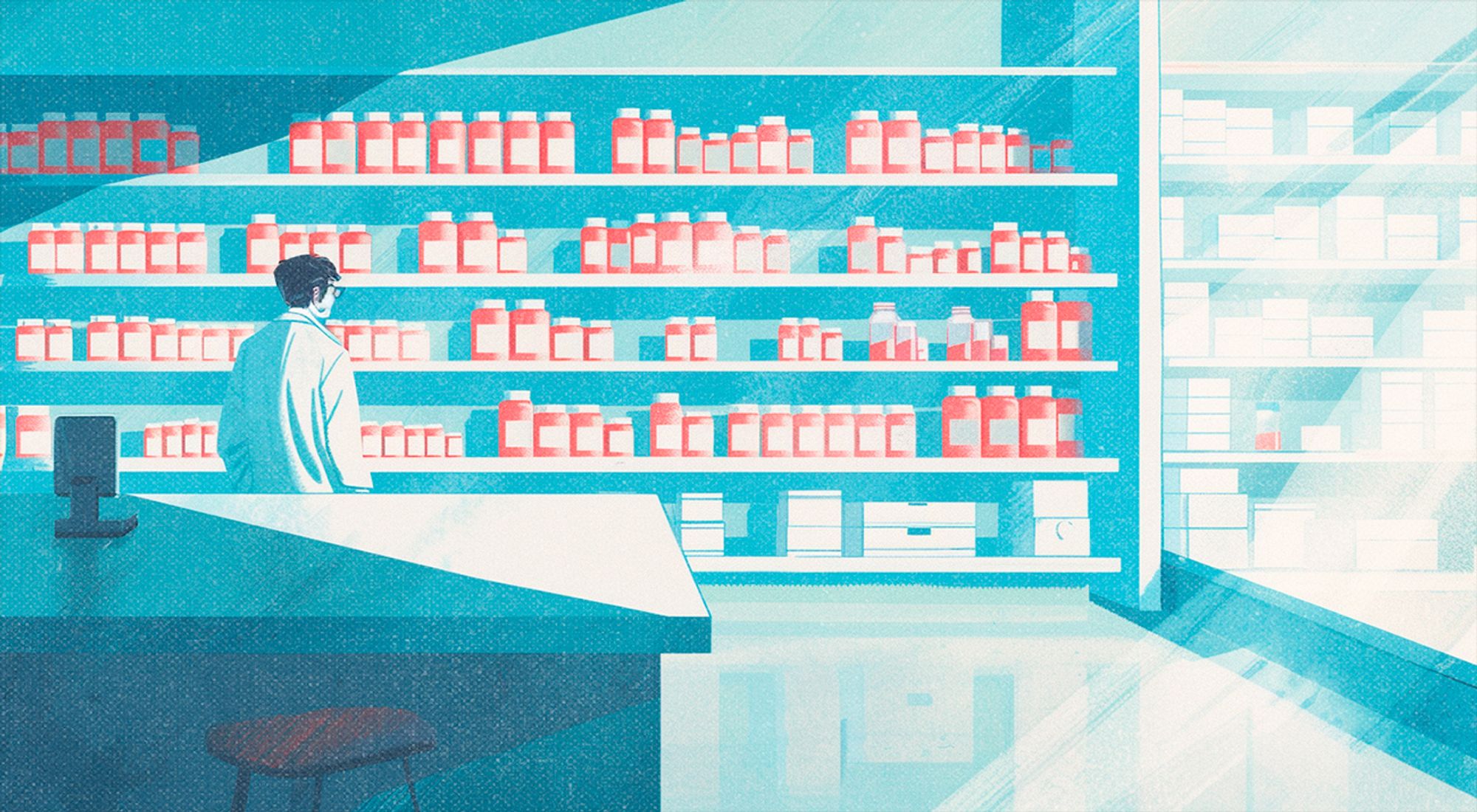
Code Red: Pharma budgets are bleeding, and there’s no immediate remedy in sight. After becoming one of the hottest trades during COVID, drugmakers now face one of the most challenging environments in nearly a decade. They’ve taken a page out of tech’s cost-cutting playbook, hoping to put themselves back on track after a wild ride.
Pharma pullback: Years of hefty research and development (R&D) investments have pharmaceutical companies pumping the brakes. Charles River Laboratories, which helps companies develop new drugs, noted that large firms are scaling back on research spending — a move CEO James Foster called “unusual” and “sudden.” And this is just one part of the broader cust-cutting sweeping the industry.
- Over 14K biopharma jobs have been culled this year — mostly in sales and R&D, with firms prioritizing outsourcing and reducing management roles.
- Companies like Pfizer and Bristol-Myers Squibb are embracing cutbacks ahead of expected revenue declines later this decade.
These Cuts Are No Surprise To Pundits…
A perfect storm of changes, including new legislation, slowing sales, and an incoming patent cliff, forces companies to adapt. Many major drugs are about to lose their 20-year exclusive selling rights — opening up the market to generics and putting $200B+ of industry revenue at risk. Researchers have also warned that companies would cut R&D as the Inflation Reduction Act opens up drug price negotiations, potentially impacting earnings and innovation.
- Earlier this year, Bristol Myers warned that the IRA “will have a serious impact on future innovation for patients” after a judge tossed out their lawsuit challenging the price-cutting initiatives.
- However, the Foundation for Research on Equal Opportunity argues that profits from big pharma companies often don’t lead to new discoveries — instead claiming that smaller startups generate most new drugs.
Forward-looking: Pharma companies might scale back on expensive clinical research and drug trials for now, but they’ll eventually have to pay up to replace drugs that go generic. Analysts predict a surge in mergers and acquisitions as major drugmakers use their cash reserves to buy promising new treatments, particularly in areas like cancer. Others, like Amgen and Eli Lilly, are pouring more funds into weight-loss drugs. Even Big Pharma isn’t immune to chasing shiny new objects.

