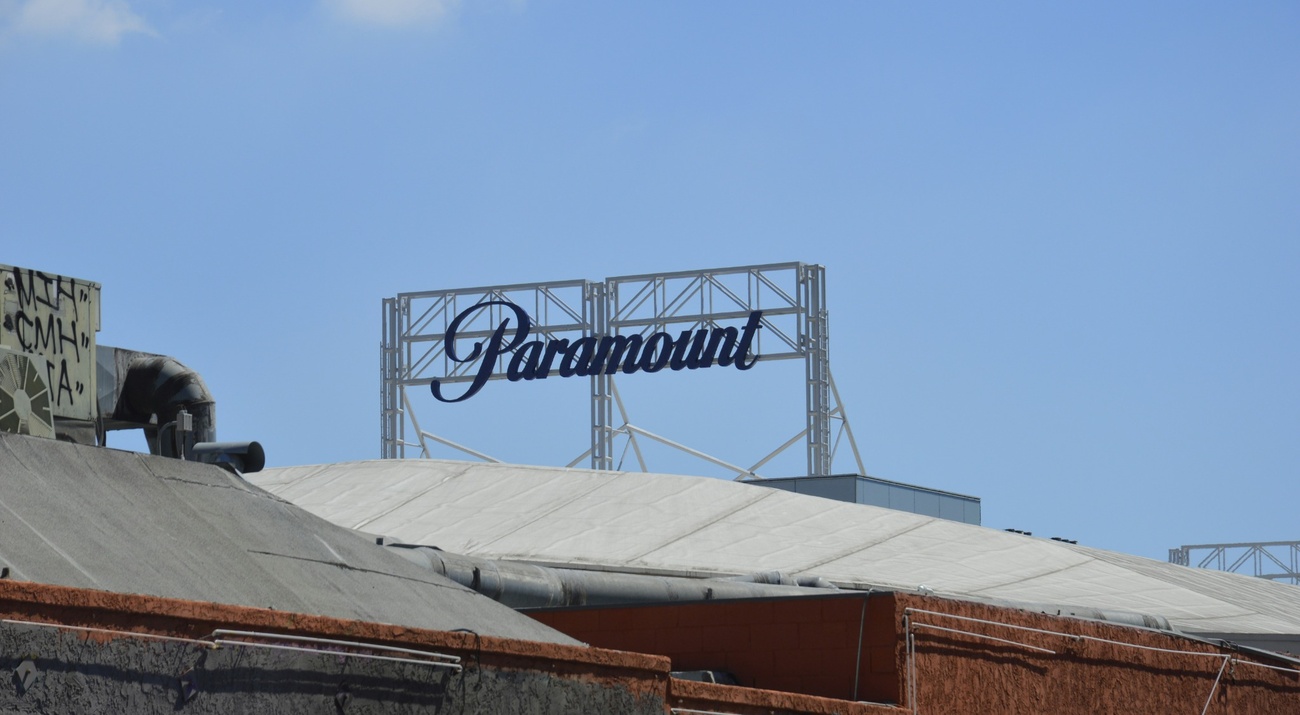
The Justice Department cleared Paramount Skydance's $110B acquisition of Warner Bros. Discovery on Friday, approving the deal without requiring any divestitures, concessions, or behavioral remedies.
The Antitrust Division's eight-month review covered more than 2M documents and included depositions before investigators concluded the merger posed no competitive threat.
The combined company would fold Paramount+ into HBO Max, creating a streaming platform with roughly 200M subscribers. The deal also adds CNN, TBS, and the Warner Bros. film studio to Paramount's holdings.
State Attorneys General Are the Next Hurdle
California Attorney General Rob Bonta confirmed his office's investigation remains active, and a state lawsuit could still block the transaction.
Roughly half a dozen state AGs, including representatives from California and New York, listened in on Ellison's meeting with Antitrust Division officials. That meeting took place roughly three weeks before Friday's decision.
Sen. Elizabeth Warren publicly urged state AGs to sue, calling the approval "terrible news for every American," per Deadline.
The UK's Competition and Markets Authority opened a formal merger inquiry this week with a preliminary Aug. 7 deadline. A full Phase 2 probe there could last five months, enough to push the timeline well past summer.
The European Commission set a Jul. 14 deadline to decide whether to open its own investigation. Australia recently approved the deal.
The Deadline Adds Daily Cost
Ellison has committed publicly to closing the transaction by Sept. 30. Miss that deadline and a daily "ticking fee" kicks in, raising the deal's cost for shareholders with each passing day.
The merger drew $24B in equity funding from Middle Eastern sovereign wealth funds, including Saudi Arabia's Public Investment Fund and the Qatar Investment Authority. Paramount has described those investors as purely passive.
Hollywood labor groups remain firmly opposed, fearing another round of industry layoffs. Paramount COO Andy Gordon told analysts in March the company targets more than $6B in synergies within three years of close. Most savings are expected to come from non-labor sources.

