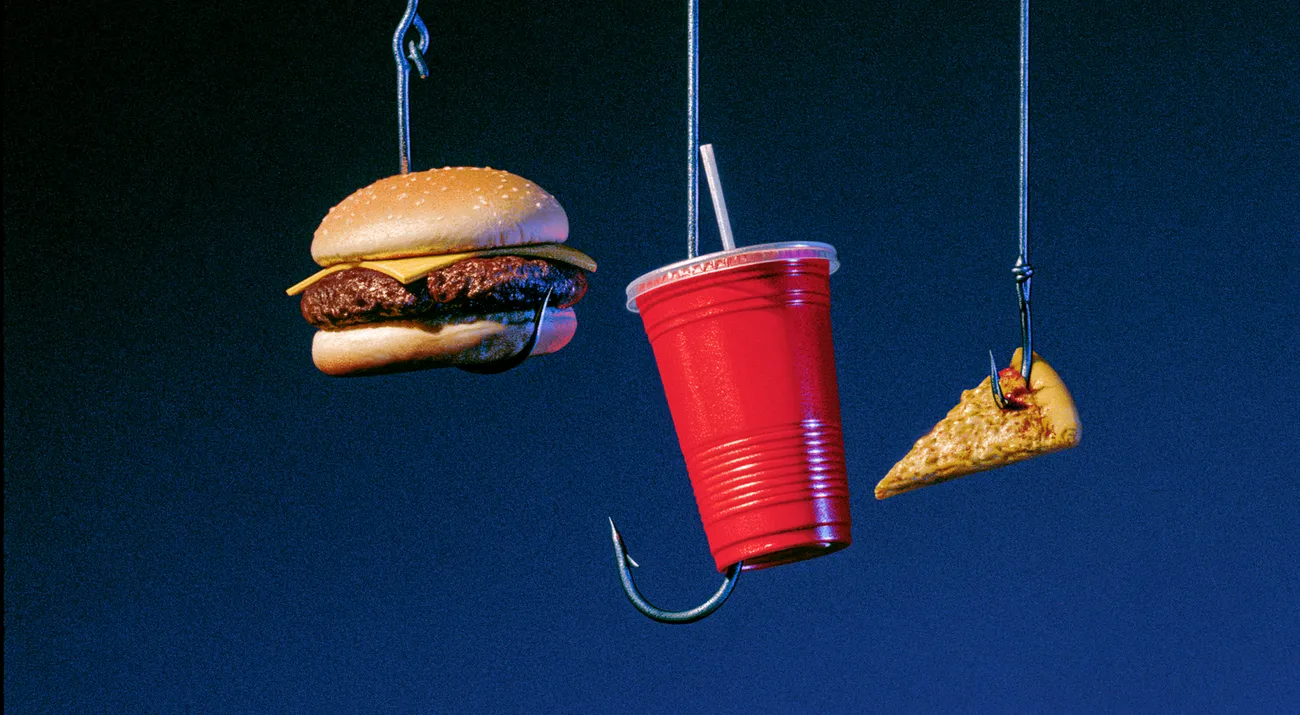
The fast food industry spent two years betting that aggressive discounting would fix its traffic problem. Q2 2026 proved that bet wrong, at least on its own.
Cheap deals created a race nobody won
The logic made sense at first. Consumers squeezed by inflation needed relief, and value meals drove traffic for nearly two years. But Q2 results exposed a hard ceiling on that strategy.
McDonald's posted only 1.3% global comparable sales growth despite its under-$3 menu and a $4 breakfast deal. CEO Chris Kempczinski blamed execution rather than strategy, noting loyal customers made up roughly two-thirds of the traffic shortfall.
Wendy's saw US same-restaurant sales fall 7%, with the company withdrawing its full-year guidance entirely.
Wingstop reported a 7.5% US same-store sales decline despite running $1 chicken wing promotions. Its stock has lost more than three-quarters of its value in the past six months.
Discounting became so widespread that it stopped being a differentiator. Analyst Matt Curtis at D.A. Davidson noted that consumers appear to have become more sophisticated in how they evaluate tradeoffs and cut through the noise created by competing promotions.
Winners paired deals with something more
The chains that outperformed this quarter did not avoid value pricing. They combined it with something else. Taco Bell, part of Yum Brands, reported a 7% rise in same-store sales.
Its $5, $7, and $9 meal boxes gave customers clear entry points. Taco Bell also kept rolling out new menu items that encouraged spending beyond the base deal.
Burger King, owned by Restaurant Brands, also posted strong US sales growth. Independent restaurant consultant John Gordon credited its 2 for $5 and 3 for $7 offers, but pointed out the key distinction: the chain does discounts selectively and creatively rather than through constant deep cuts.
Chipotle delivered strong results while limiting price increases to only 1% to 2%. CEO Scott Boatwright put it plainly: value is about convenience, execution, and menu innovation, not just price point.
Experience and portion size became new battlegrounds
Chili's, owned by Brinker International, ran a different playbook entirely. Its 3 For Me deal starts at $10.99 and includes an entree, bottomless chips and salsa, fries, and a bottomless drink.
The chain saw same-store sales growth, sometimes in double digits, over 20 consecutive quarters by competing on portion size and experience rather than raw price. CMO George Felix framed it directly: restaurants cannot cut their way into relevance.
Chains are also rethinking portion strategy from a different angle. Olive Garden introduced a Lighter Portions menu nationwide in January. Chains including The Cheesecake Factory and P.F. Chang's added smaller, lower-priced items targeting budget-conscious diners, health-focused customers, and GLP-1 drug users.
According to market research firm Circana, 43% of foodservice meals were eaten solo in the 12 months ended in June.
Wendy's franchisees are already voting out
For chains that got the formula wrong, the consequences are arriving fast. 289 Wendy's locations closed across the US in just the first half of 2026.
There are roughly 5.7K Wendy's in the US total. New CEO Bob Wright acknowledged franchisee health is pressured and that sales declines are showing up directly in restaurant profitability.
Domino's is taking a more forward-looking approach to the solo dining shift. It is launching a rectangular individual pizza called the Domino on Aug. 31.
The new item targets consumers who might otherwise choose a burger or sandwich over pizza. Incoming CEO Joe Jordan said the company spent two years researching what Americans wanted before landing on the concept.
The bottom line from Q2 is clear: blanket discounting is now table stakes, not a strategy. Chains that added menu innovation, better operations, or a genuine experience on top of their deals pulled ahead. Those that did not are watching franchisees close doors.

