Delivery Apps Are Defying a Global Consumer Slowdown With Record Revenue And Transaction Growth
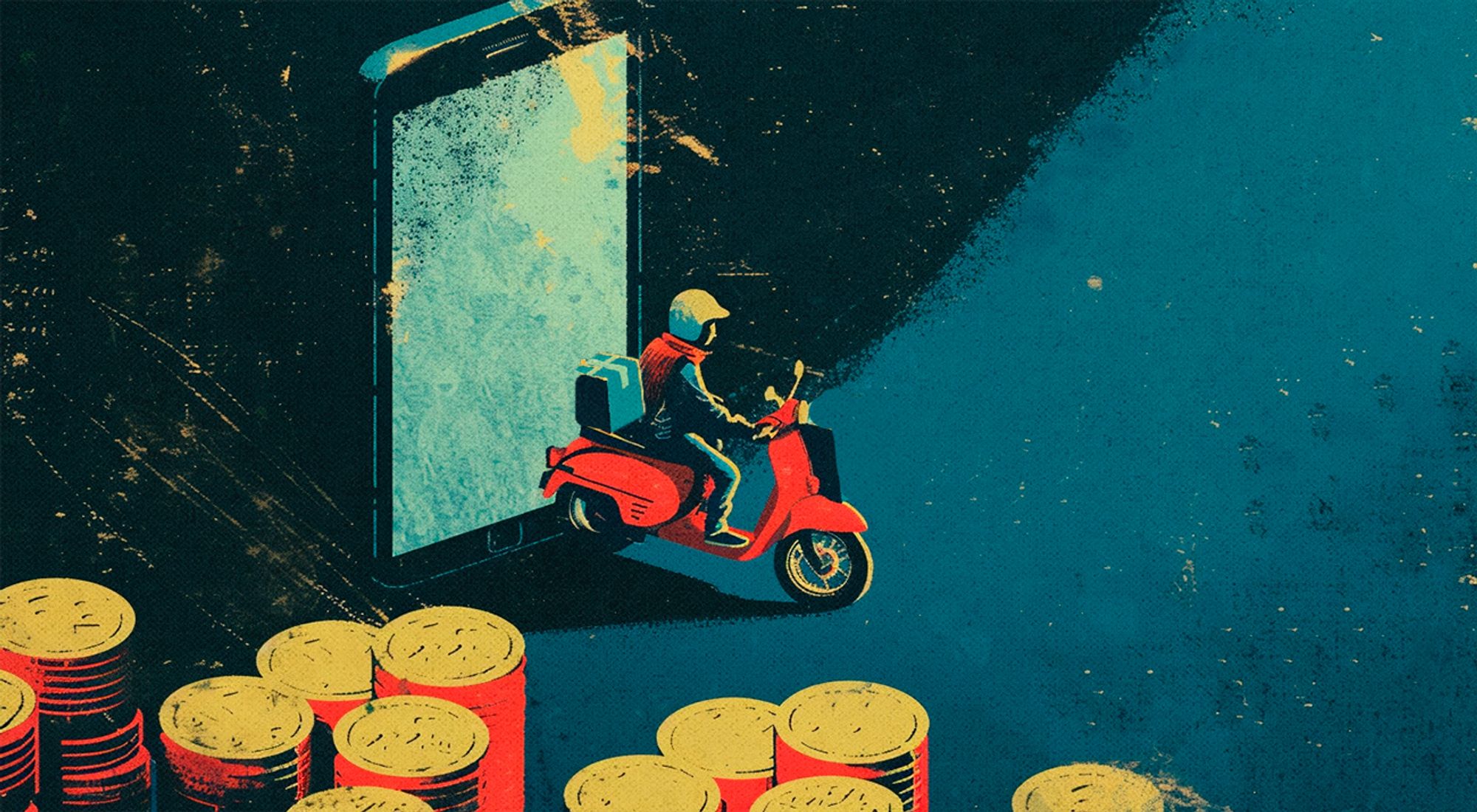
Food at your door and money out the window — that’s how it feels to order in. But delivery apps are making bank while your wallet takes a hit. Since the launch of leading delivery platforms like Instacart, DoorDash, and Uber Eats, the longstanding question among investors has been whether these companies could serve up profits. Despite $20B+ in operating losses, they’re now changing their diets from red meat to greens.
HOT TO GO: Even with tighter budgets, Americans are still finding room to fund grocery and restaurant delivery. Last quarter, DoorDash, Uber, and Instacart reported record levels of orders and revenue, beating the slowdown in restaurant traffic and consumer confidence. Uber’s CEO said that the demand for food delivery is becoming “much more habitual,” while DoorDash described demand as “really strong.” Transaction volume grew 19% at DoorDash, 10% at Instacart, and 16% at Uber, with revenue also posting double-digit gains. Part of this growth is due to a focus on higher-margin advertising products.
- Earlier this year, Instacart cut 7% of its workforce to concentrate on more profitable areas like digital advertising and enterprise software, which now make up ~30% of its revenue and are expanding faster than its core delivery business.
- Instacart also launched AI-powered shopping carts in US Aldi stores, one of the world’s fastest-growing discount grocers.
Fewer Deliveries, More Fees
This growth comes despite new fees levied on customers to offset higher courier compensation. In California, New York City, and Seattle, new rules forced delivery platforms to pay gig workers more — but the apps have found ways to push back.
- Big players in food delivery have added new surcharges that resulted in NYC consumers paying 58% more in delivery fees after the rules took effect — while delivery volumes fell 9% in the first quarter from the previous year.
- To mitigate rising labor costs, delivery and rideshare apps are battling to keep their workers classified as independent contractors.
Forward-looking: Their recent quarterly performance shows delivery apps have come out on top. DoorDash, the largest US food delivery service, reported a less than 1% dip in orders due to new minimum pay rules. And like many other industries, delivery apps are facing a tough consumer market. Given the expensive changes, budget-conscious consumers might soon say, “Forget the fees. I’ll pick it up myself.”

