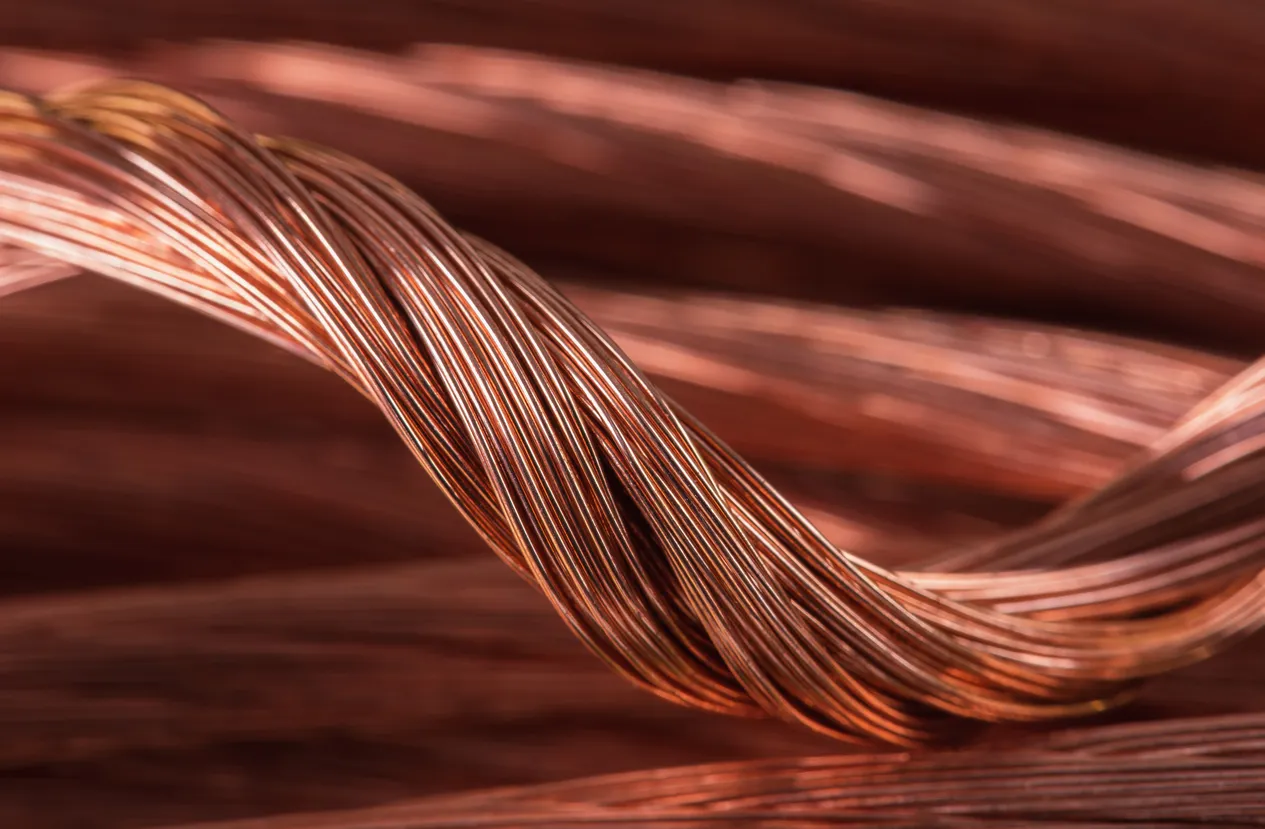
Copper is breaking records on both sides of the Atlantic, reaching $6.7 per pound in the US and $14.3K per metric ton in London. That would normally point to a red-hot global economy. But this rally has a different story behind it.
Tariffs are rewriting the supply map
The US Commerce Department has outlined a potential phased tariff on refined copper: 15% from January 2027, rising to 30% from 2028. Traders aren't waiting.
US COMEX copper inventories have risen for 46 straight days, as traders rush metal into US warehouses before the levies kick in.
The US imported nearly 885K tons of refined copper cathodes in the first half of 2026 alone, more than double the pace from the same period in 2024.
The tariff trade is pulling copper into the US and leaving less metal available elsewhere. CRU initially expected a 639K-ton global surplus in 2026. Principal copper analyst Robert Edwards now says the market will be “at best” balanced.
LME inventories have already fallen to 90K tons, while the premium for copper available today versus three months from now has reached its highest level since 2021.
Glencore's CEO Gary Nagle offered a counterintuitive read: any tariff announcement, at any level, could send prices lower by finally giving the market clarity.
The COMEX stockpiles already sitting in the US are duty-paid and won't be re-exported due to cost, which means other regions could face sustained tightness regardless of the tariff outcome.
AI data centers are the new source of copper demand
Copper’s old reputation as “Dr. Copper,” a gauge of global manufacturing, is starting to look outdated. A single 1-gigawatt AI facility can require tens of thousands of tons for wiring, cooling and power distribution.
BHP Group, the world's biggest miner by market value, says data center demand for copper is expected to grow roughly sixfold between 2024 and 2050, reaching around 3M tons per year.
That structural shift is reshaping how the metal is priced. Jacob White, director of ETF product management at Sprott Asset Management, describes AI copper demand as "price-inelastic," meaning buyers will pay up regardless of cost because the infrastructure build-out can't stop.
Supply is tightening at the same moment. Chile, the world's top copper producer, is lowering output due to aging mines and declining ore grades.
Copper production across Chile and Peru is down 4% year over year, according to UBS. Opening a new copper mine takes between 10 and 15 years. UBS cut its 2026 forecast for refined-copper supply growth to 1.3% from 1.7%.
Investors are treating copper like a hard-money hedge
US debt recently crossed $40T, adding to concerns about widening deficits and the risk of more money entering the financial system.
That has fueled the “debasement trade,” where investors turn to assets that can hold their value as currencies weaken. Gold and bitcoin have traditionally filled that role. Copper is now joining them.
"Anything that's going to debase your currency is going to make real assets — especially copper — more attractive relative to the dollar."
Jacob White, Sprott Asset Management
The iShares Copper and Metals Mining ETF was up nearly 20% in August, on pace for its best month on record. The Global X Copper Miners ETF has risen over 21% in the same period, its biggest monthly gain since November 2022.
Copper’s rally is already paying off for miners. Freeport-McMoRan shares are up 51% this year, while copper now generates 54% of BHP’s EBITDA. For investors, copper has become a bet on far more than the global economy.

