California’s Worst Modern Fire Outbreak Is On the Doorsteps of the Country’s Most Expensive Zip Codes and Cultural Icons
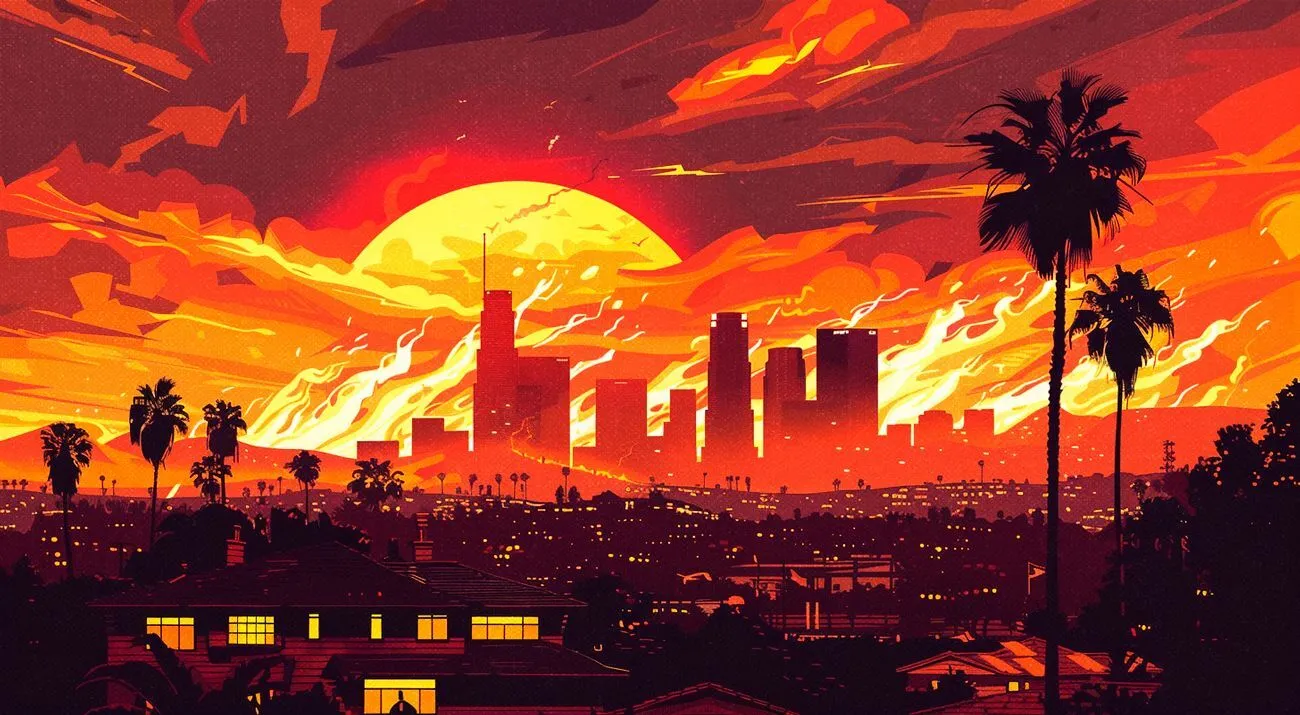
This time two years ago, California was facing flash flooding from a days-long rainstorm. Today, it’s a different element — fire. At least six separate fires are burning near Los Angeles, forcing over 180K residents from their homes. And as fire departments struggle to contain the blazes, even more might soon be fleeing the fast-moving flames.
Another day, another disaster: The fires, which exploded in size after 100+ mph wind gusts and dry conditions struck Southern California, have already burned 28K acres — reducing thousands of homes and businesses to ash. Now, the flames are nearing the doorsteps of some of America’s most expensive zip codes and cultural icons — the Getty Villa, the Griffith Observatory, Santa Monica Pier, and Sunset Boulevard, to name a few. The fires continue to burn today, with most of LA under a Critical Red Flag warning, denoting the possibility of even more fires.
- The largest of the five fires — the Palisades Fire — has burned some 24 square miles in the Santa Monica Mountains, in between its namesake and Malibu, and remains 0% contained.
- East of the Palisades, blazes in the Hollywood Hills and Pasadena are threatening homes, CalTech, NASA’s Jet Propulsion Laboratory, and the iconic Rose Bowl stadium.
Insurers, Wind, and Fire
The fires have already knocked out power for over 400K Californians, while staples of the city have been forced to shut — film backlots, company offices, and universities among them. Sports franchises like the NBA and NFL are even producing contingency plans for games. But once the blazes are finally extinguished, California will have a new problem — reckoning with the cost.
- Forecaster AccuWeather estimates the damage from the ongoing fires could eclipse $50B, more than triple the cost of the 2023 Maui Wildfires ($14B-16B) which killed over 100 people.
- The costs could test private insurers who have remained in the state amid a flight of nervy insurers from California — and risk bankrupting California’s own state-backed insurance program, FAIR.
Chaos central: Regional insurers like Nick Ramirez told the WSJ, “This is the worst that I’ve ever seen it,” potentially pouring water on vigorous efforts to entice providers back to the state, which does not allow the use of models to adjust rates for natural disaster risk. And after the ash settles, those well-meaning — but flawed — rules could worsen insurance affordability and access even further, echoing Florida’s struggles to retain insurers and sustain its state-backed Citizens insurance program.

