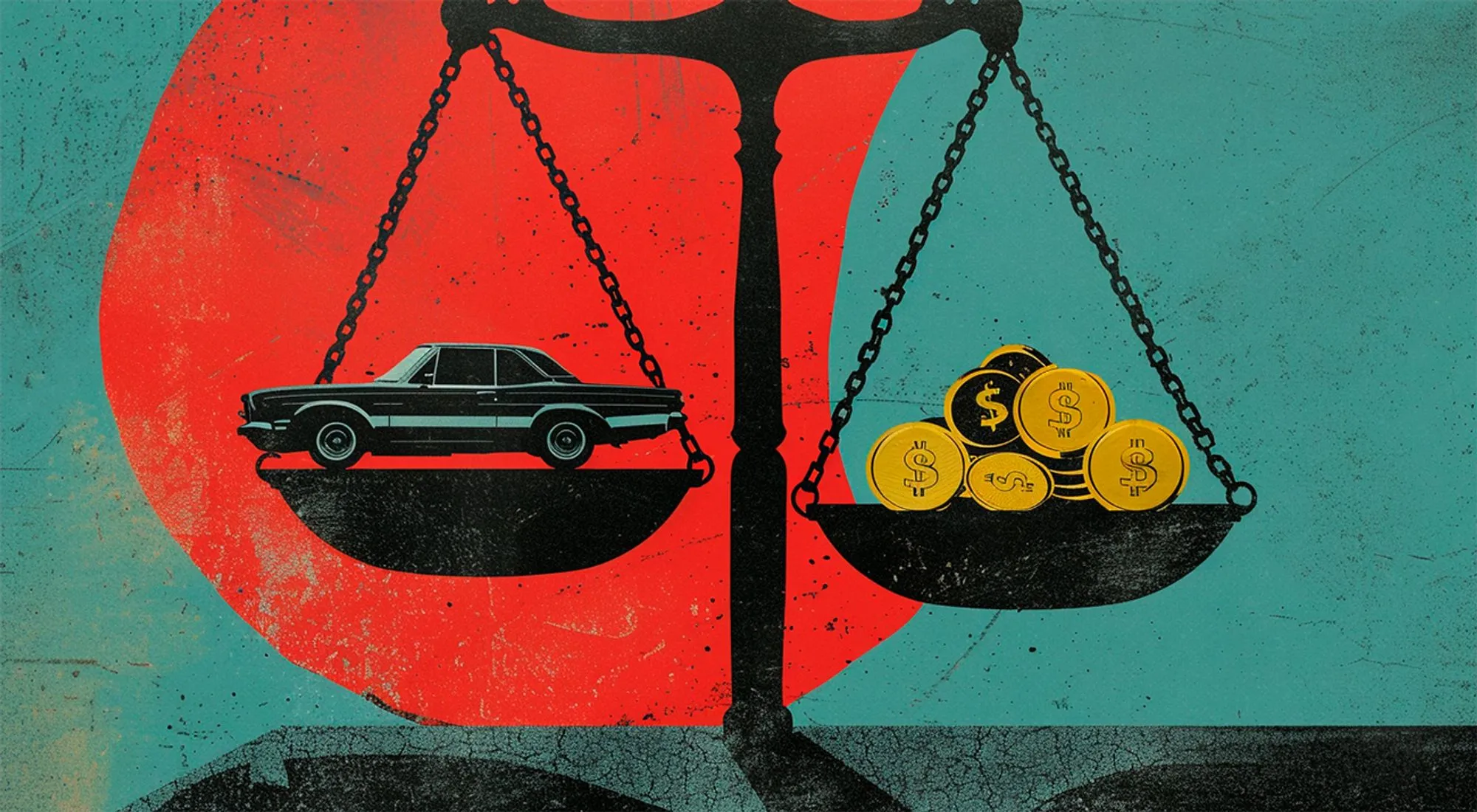
The auto industry has hit a serious pothole. After riding high on pent-up pandemic demand and limited supply, carmakers are struggling with overflowing inventories, high prices, and waning consumer interest, slamming the brakes on sales and profits.
Trouble in the fast lane: The highly competitive US car market is giving major automakers like Stellantis, Nissan, and Ford an especially rough ride. With excess inventory, they’re forced to slash prices and offer steep discounts to move metal off lots — putting immense pressure on margins.
- Stellantis, the world’s fourth-largest automaker, has seen its shares drop nearly 24% this year. The company reported disappointing first-half results, with North American profit margins taking a hit due to high inventory levels.
- Nissan’s fiscal first-quarter profits were virtually wiped out as it resorted to deep discounting in the US market — slashing its annual outlook and scrambling to offer more appealing, higher-priced vehicles.
Ford Feels the Burn
Ford’s “Built Ford Tough” slogan hits a little differently today. The company missed Q2 profit expectations, leading to a 16% drop in stock price. High warranty costs and a cash-burning electric vehicle (EV) business, which posted a $1.1B operating loss, weigh heavily on Ford.
- The automaker expects its EV unit to lose up to $5.5B this year before taxes as it struggles to gain traction in the market.
- Structural inefficiencies are also impacting Ford’s performance as it navigates the costly transition to EVs.
An unaffordable ride: An affordability crisis is at the core of the industry’s issues. Ivan Drury from Edmunds described the 2022-23 market as “one of the absolute worst times to buy a vehicle.” The average price of a new vehicle in the US peaked at $48,408 in December and remains high at $47,616 — while rising interest rates have pushed the average monthly payment to $739 (FP). Many consumers are opting to keep their existing vehicles longer — sending the average age of cars on US roads to a record 12.6 years (NBC).
While some automakers hope new model launches and EV introductions will boost sales in the second half of the year, the road ahead looks bumpy. With consumers tightening their belts, the industry’s near-term success may depend on its ability to crank out more affordable options. Until then, automakers seem to be in for a long, uncomfortable ride.

