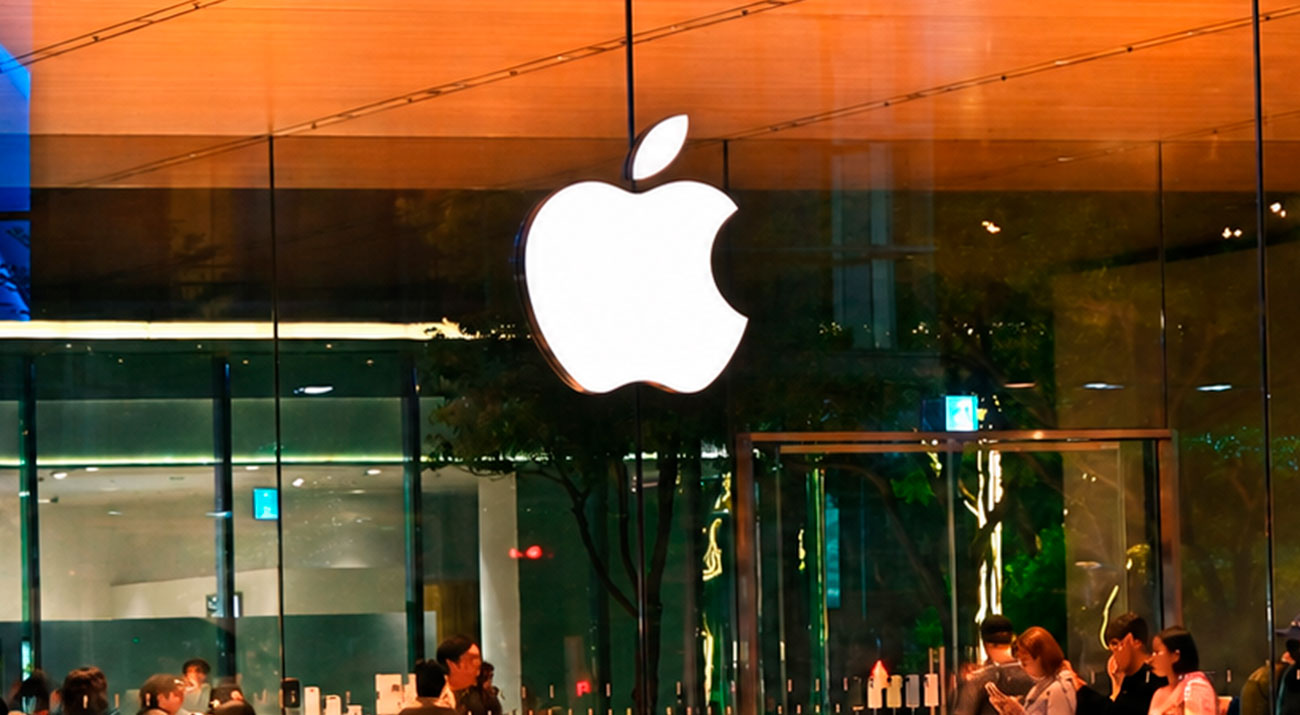
Apple temporarily surpassed Nvidia as the world's most valuable company on Friday, reaching a market cap of $4.88T while Nvidia slid to $4.86T.
It's the first time Apple has held the top spot since April 2025, ending a run of nearly a year in which Nvidia reigned at the summit.
The day stayed fluid. Nvidia pared its losses and climbed back to roughly $4.9T by mid-morning, reclaiming the lead. Still, the episode illustrated a clear shift in how investors are thinking about AI.
Why Apple is winning the sentiment war
For most of the past two years, Wall Street rewarded companies building AI infrastructure, and Nvidia was the obvious beneficiary. Its graphics processors power much of the generative AI boom, and it became the first company to cross a $5T market cap in Oct. 2025.
Apple, by contrast, was widely seen as a laggard that was reluctant to spend heavily on foundational AI models. That perception is now changing.
"Apple is less exposed to capex intensity and better positioned to monetize AI via services, ecosystem lock-in, and hardware upgrades."
Toni Meadows, BRI Wealth Management
Apple's Services business generates high-margin recurring revenue from an installed base of over 2B active devices. Its trailing-12-month free cash flow exceeds $100B, giving it room to fund buybacks, dividends, and AI development without betting the balance sheet on chip infrastructure.
Apple recently rolled out a long-delayed overhaul of Siri, a direct move to close the gap with rivals in the AI assistant space. CEO Tim Cook is set to hand control to hardware veteran John Ternus in September.
The AI trade is broadening
Nvidia's near-term position isn't in serious doubt. Its chips remain central to AI infrastructure, and analysts expect it to stay a major player regardless of which company holds the top market cap on any given day.
But the AI trade is clearly widening. Memory chipmaker Micron crossed $1T in market value in May. South Korea's SK Hynix listed on the Nasdaq recently, adding another name to the semiconductor conversation.
The Philadelphia SE Semiconductor index has fallen nearly 19% from its all-time highs as investors reassess the durability of AI spending. Despite that drop, the index has still outperformed Nvidia year-to-date.
The two companies are now separated by a margin that can shift in a single trading session, and the market's appetite for which AI story it wants to own is still evolving.

