America’s Wind Boom Is Stalling, but the Next Renewable Winners Are Already Emerging
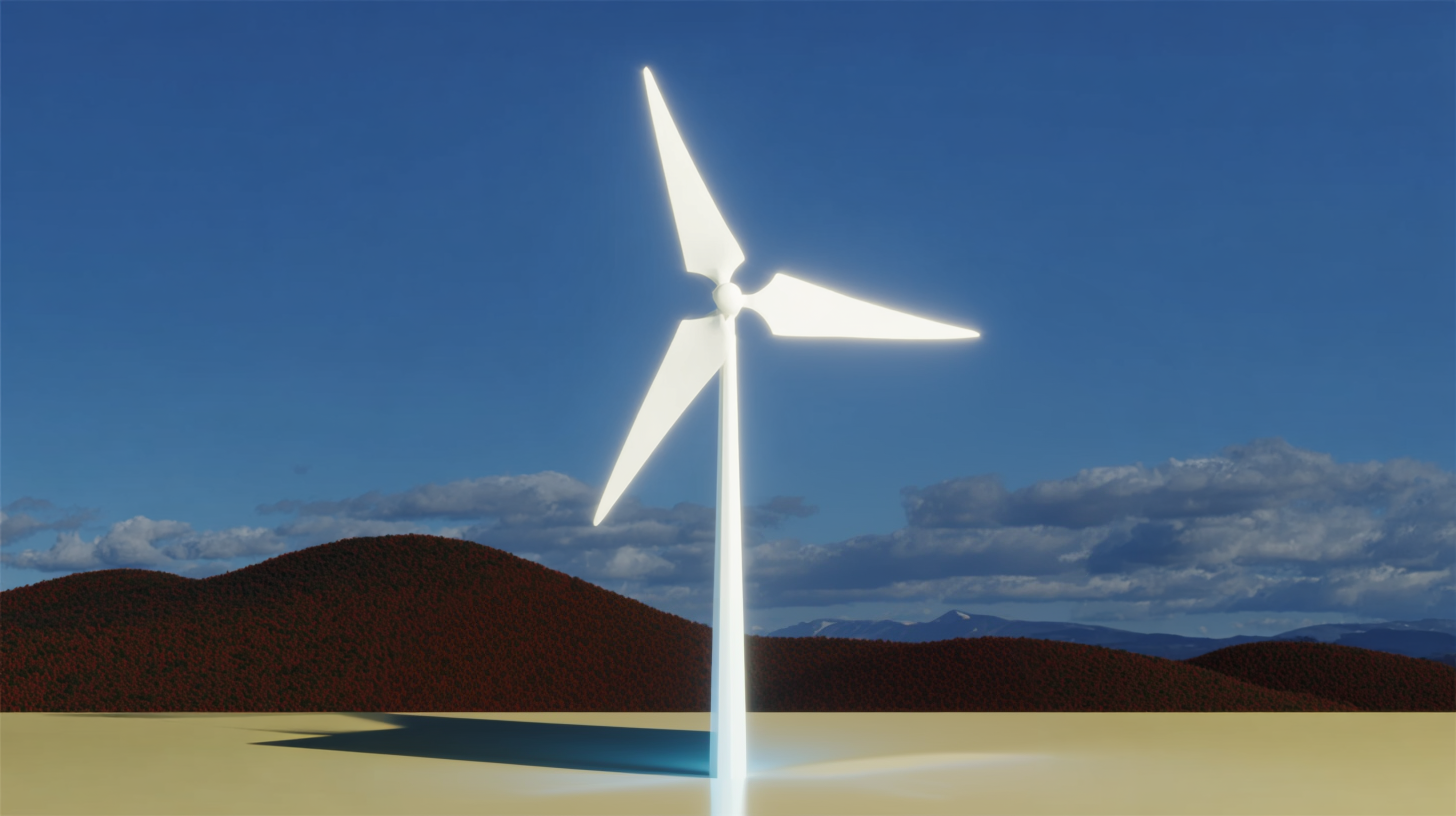
The wind is officially out of America’s sails. Policy headwinds, permitting freezes, and rapidly falling solar costs have put the US renewable energy sector under pressure. The long-term growth story isn't dead, but investors need a clear-eyed assessment of what's gone wrong in the near term.
Headwind season: America’s largest wind farm, SunZia in New Mexico, has come online, but it may be the last mega-project for years. The Trump administration has frozen new wind approvals on federal land and temporarily halted five offshore projects, while developers like Engie North America have paused new investments as the economics become increasingly uncertain. BloombergNEF now expects US onshore wind installations to decline through 2030 as tax credits expire, costs rise, tariffs bite, and federal policy turns against new development.
- Pentagon airspace reviews have delayed security clearances for over 100 wind projects, leaving nearly $50B in investment stuck in limbo.
- Falling solar costs and rising wind expenses are pushing developers to favor solar panels over new turbine projects.
Approval Logjam
The slowdown extends beyond wind. Wood Mackenzie estimates that delayed federal permits are putting $121B+ of wind, solar, and battery storage investment at risk, with wetland approvals emerging as the biggest bottleneck. At the same time, a new Department of the Interior directive requires senior-level approval at every permitting stage, placing roughly 92GW of clean energy projects, enough to power 69M homes, under tighter federal review.
- Federal permitting delays and Pentagon airspace reviews stalled or canceled ~7 GW of renewable capacity on federal land in 2025.
- About 32% of the US early-stage renewable pipeline now faces additional federal review, delaying new projects.
Renewables’ second wind: Despite the policy headwinds, new winners are emerging. Barclays expects AI-driven hyperscaler power spending to exceed $1T a year and names NextEra Energy, First Solar, GE Vernova, Enlight Renewable Energy, and Array Technologies among its top picks. The CME is also launching wind weather derivatives across three continents, proving that volatility itself can become an investment opportunity. The wind may be slowing, but the trade is just changing direction.

