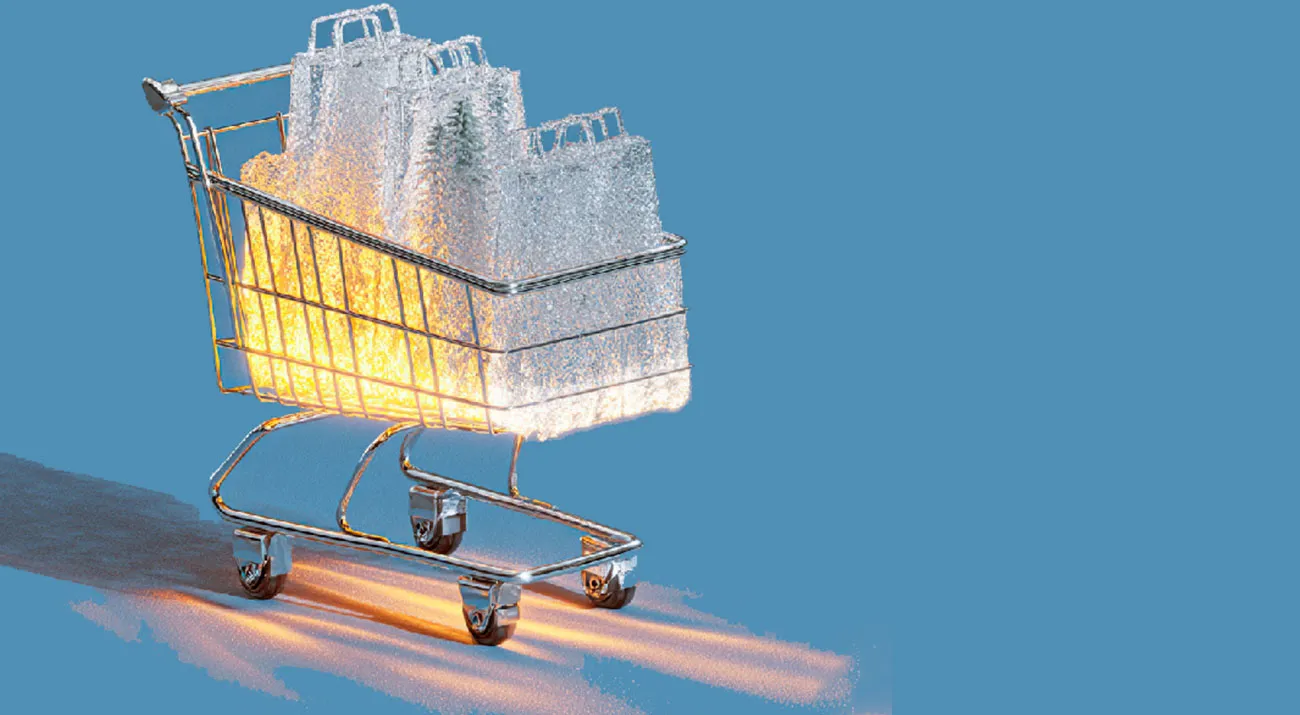
America’s retailers are staring down a gas-price tripwire, and the pressure is starting to show at checkout. National average gas prices recently hit about $4.56 a gallon, right in the zone that Walmart executives told UBS marks the point where consumers begin pulling back. That pressure is now filtering through corporate results.
Retail divide: As gas prices move toward $4 a gallon, Walmart says shoppers start making trade-offs, and as they approach $5, those trade-offs turn into real spending cuts. Even in that environment, Walmart looks better positioned, with higher-income shoppers helping soften the blow and its e-commerce scale giving customers another reason to skip extra trips as gas costs rise. Meanwhile, Target snapped a four-year losing streak in March by gaining market share across every household income tier and age group, delivering a badly needed win for new CEO Michael Fiddelke.
- Grocery chains are absorbing part of 3% to 4% cost increases for now, but that gets harder the longer higher fuel prices stick around.
- Suppliers are feeling the squeeze too, with Edgewell Personal Care saying price hikes may be back on the table as steel, aluminum, and oil-linked costs keep climbing.
The Spending Hangover
Home-improvement retailers are dealing with a different kind of pressure, and gas prices only explain part of it. Home Depot’s finance chief Richard McPhail said homeowners are still engaged but continue to put off bigger projects, extending a slowdown that has dragged on for years. Lowe’s CEO Marvin Ellison was even more direct, calling it the toughest housing market he has seen since the financial crisis. Both chains beat earnings, but the results still pointed to a consumer who may be spending, just far more cautiously.
- Lowe’s brought in $23.08B in revenue, up 10%, though comparable sales rose a modest 0.6% despite a fourth straight quarter of gains.
- Home Depot posted $41.77B in sales, up nearly 5%, but transactions fell for a fourth straight quarter as margins tightened.
The two-speed economy: Lowe’s Ellison said the economy is increasingly playing out in a K-shape, with higher-income shoppers still spending while lower-income consumers pull back. That’s why Walmart’s e-commerce scale and upmarket push matter more now, giving it a better shot at keeping customers who might otherwise cut back on store trips when fuel costs rise. In this economy, convenience may be the new discount.

