Air Travel Faces Long-Term Impact from Failed Spirit-JetBlue Deal
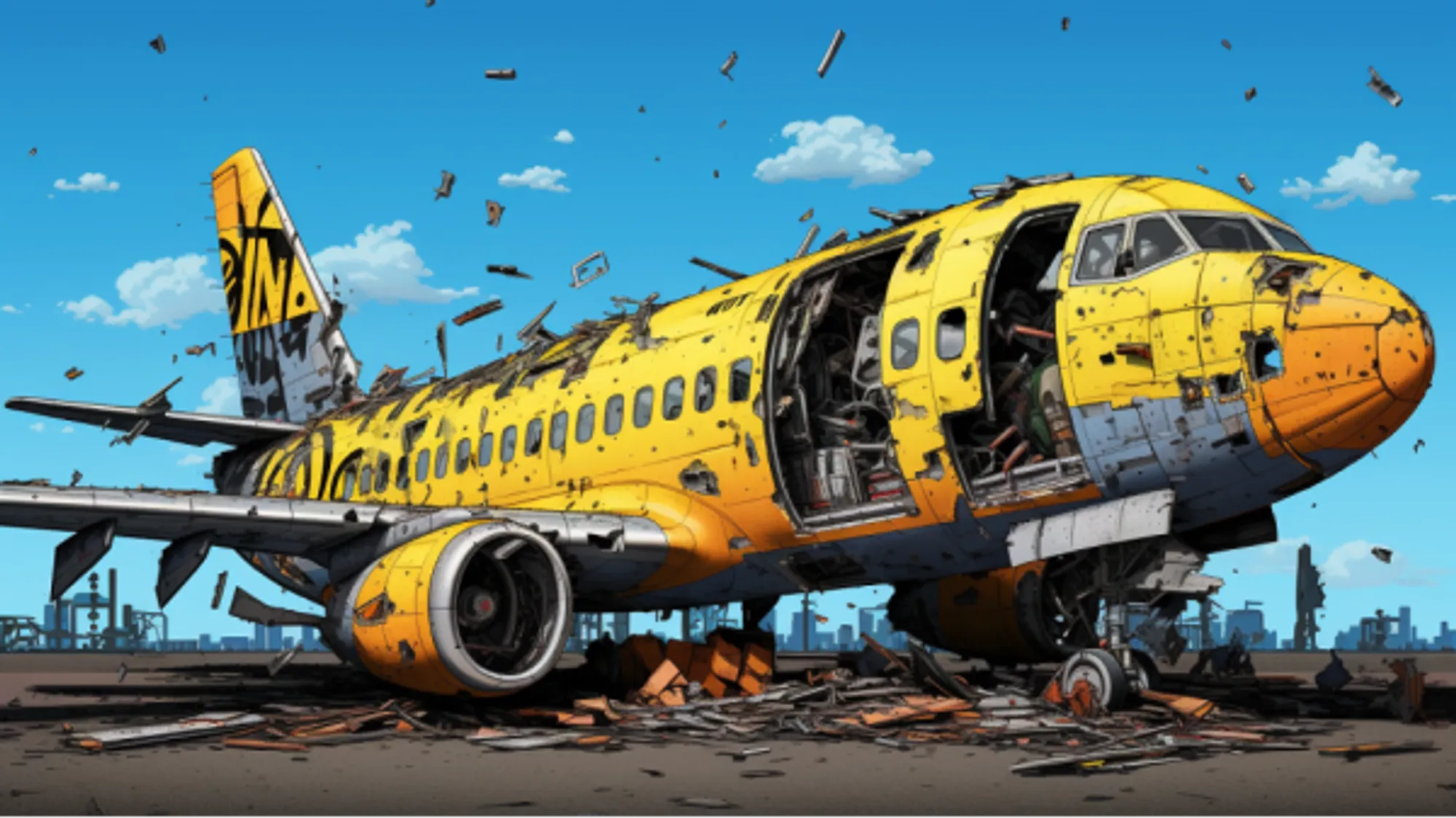
In just two days, the world came crashing down for Spirit investors. On Tuesday, a federal judge blocked JetBlue’s $3.8B merger with Spirit Airlines, siding with antitrust lawyers who argued the tie-up would reduce competition and lead to higher customer fares. This caused Spirit’s stock (NYSE:SAVE) to plummet nearly 50% on Tuesday and another 22% yesterday.
The combination would’ve created America’s fifth-largest airline by passengers carried, with JetBlue (NASDAQ:JBLU) and Spirit contending that it would pressure the 80% dominance of the nation’s four largest airlines over US airfare revenues.
Stuck at the gate: While the airlines may appeal the Judge’s decision, analysts from Raymond James believe an appeal is unlikely and would take 4-5 months. JetBlue gets a fresh start if they go their separate ways, but Spirit will have to fight for its life. Spirit has been unprofitable since 2019, and CEO Ted Christie anticipates further challenges through 2025 as air travel demand stagnates.
- Spirit will receive a temporary boost from a $470M breakup fee over the failed deal — but TD Cowen analyst Helane Becker expects the airline will seek a new buyer, enter bankruptcy, or even liquidate.
- This could lead to “shocking prices on major Spirit routes” as the airline looks to shore up its cash — but in the worst case, Spirit could fail, impacting the very consumers the Judge sought to protect.
Watch for cheap airfares (and a potential bankruptcy)
The blocked merger means airlines will need to abandon the mergers and acquisitions playbook used by the Big Four to grow to their size — or wait for an administration more sympathetic to big takeouts. Until then, JetBlue (and other airlines) face limited options to catch up to the big guys:
- Smaller airlines have struggled to expand their fleets amid a long wait for passenger aircraft — which have grown to a backlog of 14.2K planes.
- According to ICF Vice President Samuel Engel, smaller airlines “will continue to be, at scale, disadvantaged compared to the largest airlines,” with no “obvious way to rectify that advantage.”
Keep waiting: Until other airlines can get their hands on new aircraft, the generational oligopoly between America’s four major airlines is bound to stay — which means it’s unlikely you’ll be seeing much of a challenge to American (NASDAQ:AAL), Delta (NYSE:DAL), United (NASDAQ:UAL), or Southwest (NYSE:LUV) anytime soon.

