The Rent Market is Softening, But For Many Low-Income Americans, the Costs Are Still Too High
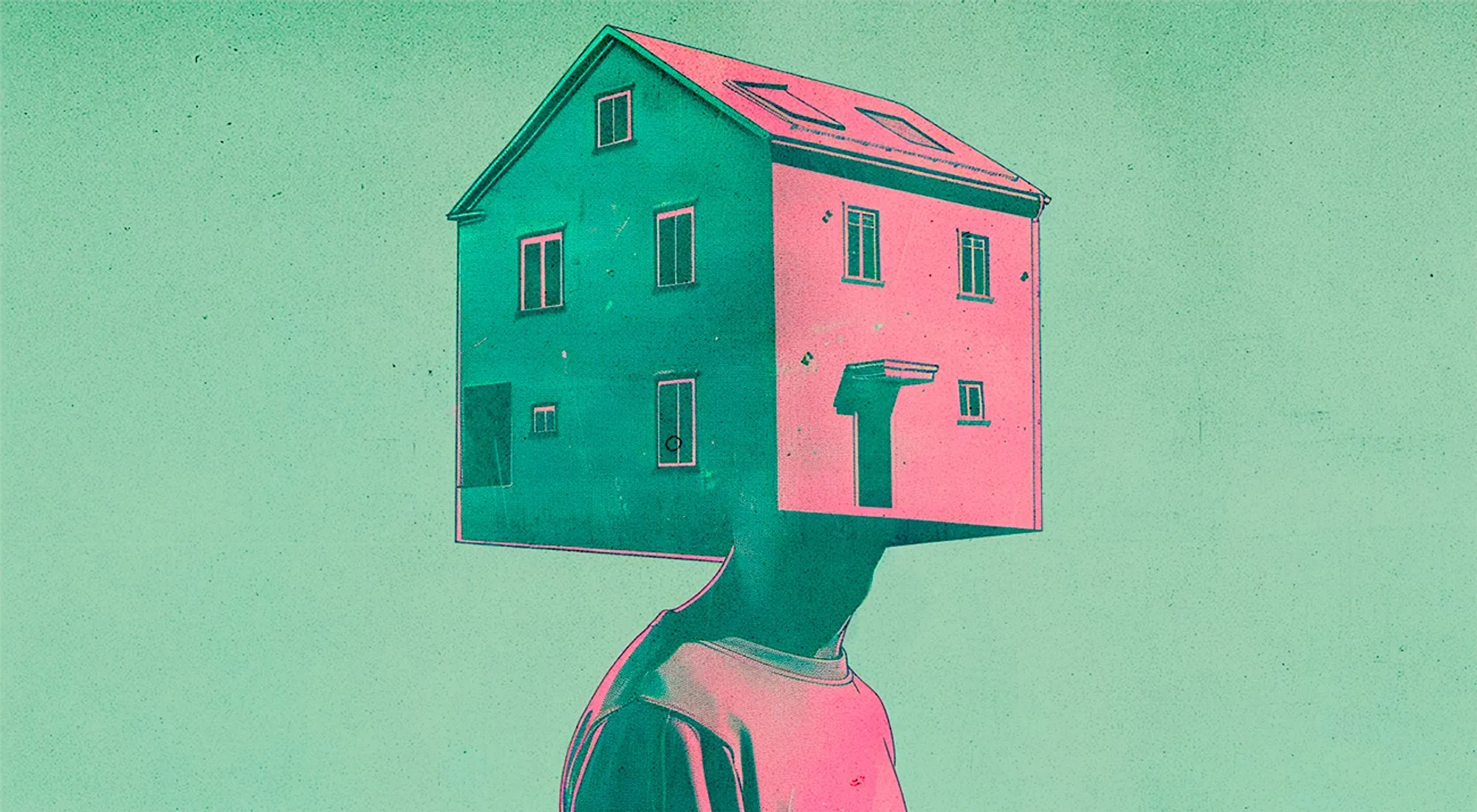
Ask an American what the “American Dream” means to them, and they might say a family, a house, and a luxury car out front. But dreams often differ from reality — especially when just over half of Americans are renters. For some, renting is a lifestyle choice — with more affluent Americans choosing it for its flexibility and ease of maintenance. But for many Americans, it’s the only option — and it’s never been worse.
State of the renter: Although higher-income renters drive most new apartment demand, millions of Americans with no alternatives are facing the toughest rent market of their lives. According to Rent.com’s June report, nationwide rent prices are up 0.7% year-over-year to $1,654 — the highest since 2022. A Harvard University study shows that higher rents translate to a record burden on lower-income tenants — a problem even the housing market’s mild softening is unlikely to solve.
- According to the new report, 22.4M households spent over 30% of their income on rent and utilities in 2022 — and 12.1M spent over half.
- Over the past year, eviction filings in six major metros are up 35%+ compared with pre-COVID levels, according to Princeton’s Eviction Lab — contributing to a record amount of people experiencing homelessness.
Where’s the Roof Over America’s Head?
Urban planners suggest building more to fix the housing crisis. Although 1.6M units are under construction across the US, some regions still struggle with a supply-demand mismatch. As a result, politicians are stepping in with solutions to the cost of living crisis.
- This week, the Biden administration proposed withdrawing tax credits from landlords who raise rents by over 5% per year, targeting larger landlords for two years.
- Democrats also plan to offer first-time homebuyers a $10K tax credit, aiming to increase access to single-family homes.
Crack in the ceiling: While both policies are well-intentioned, experts warn that these policies might not work. Rent controls have been shown to discourage housing development, limiting access and prompting landlords to hike rents by the maximum amount. The tax credits proposed by the Dems would simply subsidize demand — and increase the cost — of single-family homes, which many young people are losing interest in. Unfortunately for Americans, the only way out of the housing mess is through.

