THE BRIEF
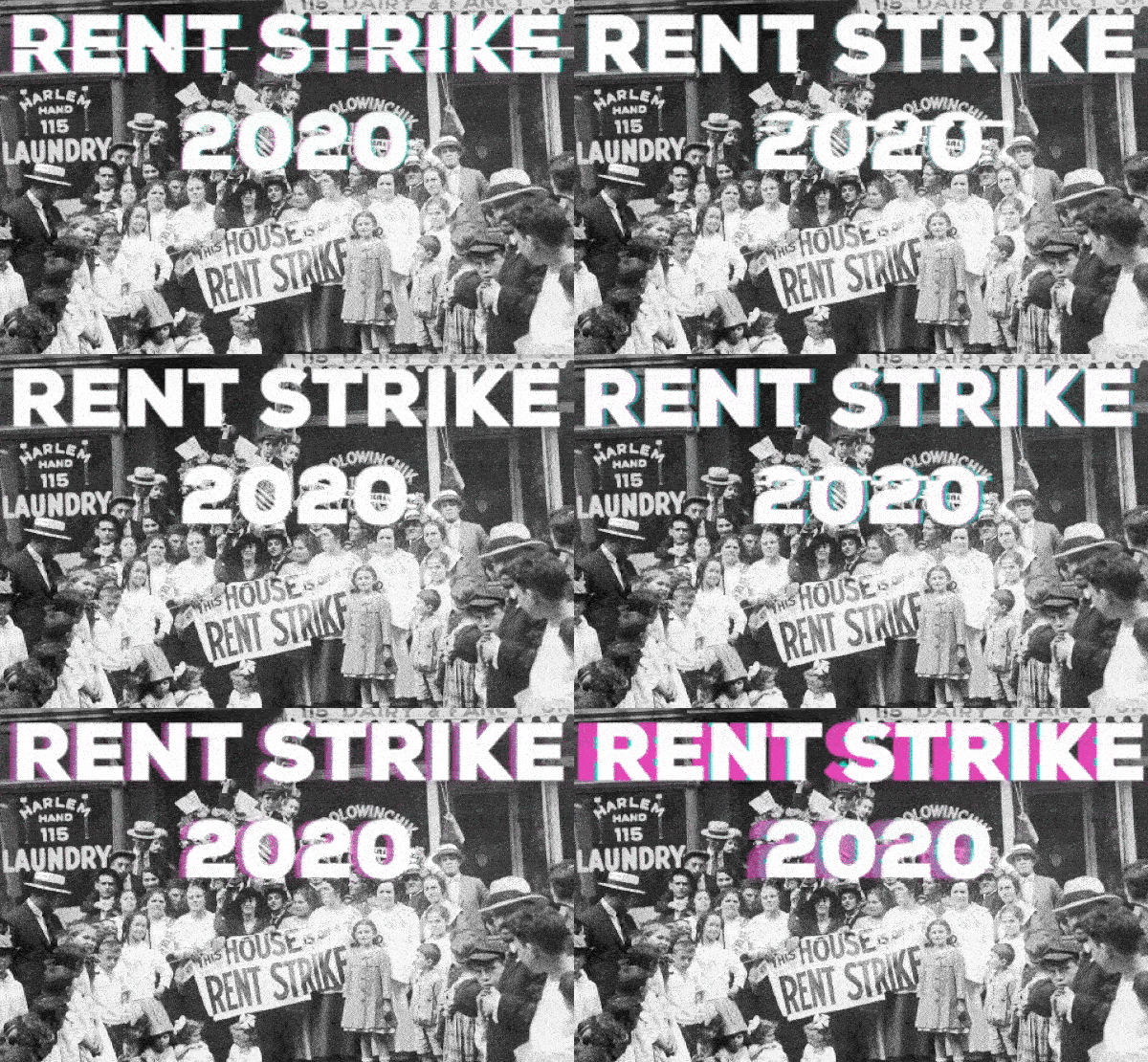
Forced store closures have left retailers and landlords locked in an arms match over re-negotiations on rent payments and terms. T.J. Maxx, Ross Stores, H&M, and Bed Bath & Beyond were amongst the many retailers that were unable or refusing to pay rent in April and May.
- May rent collection numbers were scattered throughout the industry. Retail Properties of America, a mall operator, collected 52.4% of store rents in May while Canadian malls reported just over 15%.
THE EXPLANATION
Rent payment disruptions have a domino effect on the economy. Businesses can’t pay rent, landlords are at risk of bankruptcy, commercial real estate prices fall, cash strapped local governments receive less property taxes, and jobs are lost at every stage in the chain. COVID shutdowns have escalated the tension between landlords and tenants, signs of a further collapse in the chain:
- The largest mall operator, Simon Property Group sued GAP for $66 million in unpaid rent.
- CBL, another US mall operator stated that they were at risk of going bankrupt after retailers missed their April and May rent payments.
Even with stores reopening, a potential lack of customers will leave retailers struggling to pay rent and demanding rent reductions and deferrals. At the beginning of May, Retail Dive developed a list of 27 retailers with an elevated risk of bankruptcy. A week later, two of those predictions came true, J.C Penney and Neiman Marcus filed for bankruptcy.
Is this a retail apocalypse we are seeing? Not necessarily. Global real estate investor, Jonathan Litt, states that the number of shopping malls will decrease but those that remain will thrive. It wasn’t doom and gloom for all retailers:
- Lululemon benefited from the “comfort is the only thing that matters when working from home” trend while Home Depot benefited from the “I’m bored so I’ll DIY renovate my home” trend.
- The common theme amongst these two? They both invested heavily in their e-commerce channels over the past several years.
THE ACTION
Offline retail has been on a downward trend over the past decade. Investors should beware of the bankruptcy risks that mall operators and retailers continue to face. Those at risk of bankruptcies include:
- Mall operators: Simon Property Group, CBL & Associates Properties, The Macerich Company, Retail Properties of America
- Retailers: J.Jill, RTW RetailWinds, Party City, GameStop
- Running list of retailers that filed for bankruptcy in 2020 so far.

