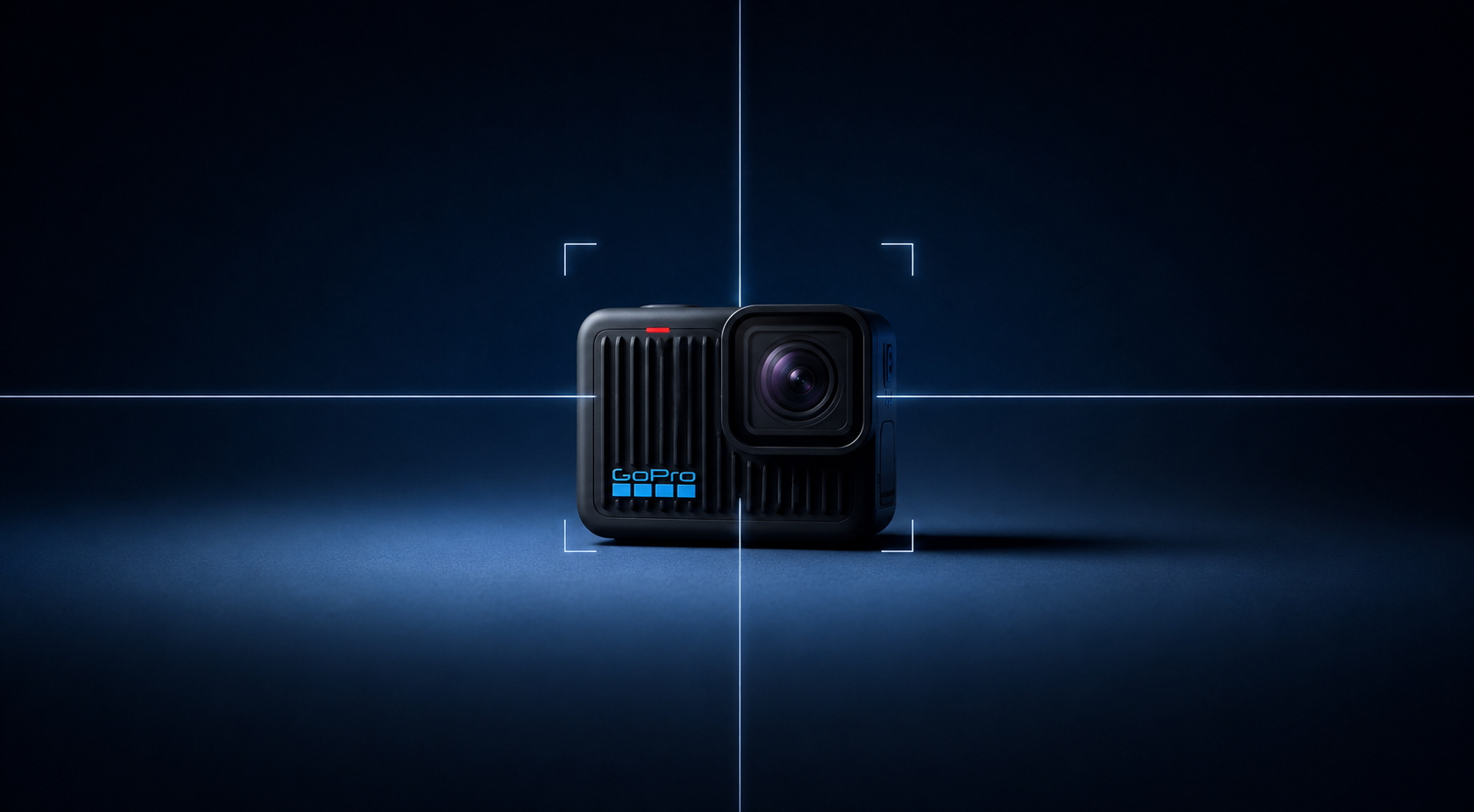
GoPro spent the better part of a decade outlasting every competitor that tried to unseat it, and for a while that endurance read as strength. The "GoPro killer" label got attached to TomTom cameras, Google's Clips project, and a dozen others before it faded from use. The company that survived all of them is now the one searching for a way out.
The hardware model ran out of road
GoPro built its business on a product category it invented, but owning a category and profiting from one are different things.
The company's stock had flatlined at roughly $1 two years before this writing, with sales declining and losses widening at the same time. Headcount has dropped from as many as 1.5K workers to fewer than 600, with a recent layoff cutting 25% of the remaining team.
GoPro isn’t alone in trying to attach itself to a hotter market. Defense, energy storage, and infrastructure-adjacent stories have all been pulling in capital as investors look for companies tied to national security, AI buildouts, and reshoring.
The new pivot has a mixed record
GoPro has company in chasing the Pentagon as a revenue channel. Anduril raised another $5B this week as investor appetite for military-focused startups keeps building. Redwood Materials pulled in $425M by pivoting to data center energy storage, with backing from Google and Nvidia.
Public markets have also rewarded early narratives, with Ford’s young energy storage unit reportedly helping spark one of its biggest stock rallies in years, even though the business is not expected to be operational until 2027.
Whether that capital reflects durable business value or a compelling story is a harder question, and GoPro's own experience suggests the latter has limits. The defense pivot announcement briefly nearly doubled GoPro's stock price before the gains reversed entirely.
Selling the assets, not the cameras
The company hired Oliver Wyman, a defense-sector consulting firm, to assess aerospace market expansion after announcing the initiative on Apr. 13. Within weeks, the board authorized a formal sale process and retained Houlihan Lokey to evaluate a potential sale, merger, or other strategic alternatives.
Critically, the board received several unsolicited inbound inquiries from parties across defense, consumer, and financial sectors before a banker was even engaged.
For a potential buyer, GoPro’s value likely goes beyond the current business. "Over the past 24 years, GoPro has developed significant technology, IP, and brand assets along with world class product development and scaled manufacturing capabilities," CEO Nick Woodman said in the company's press release.
The most credible signal in this process is that strategic interest arrived unsolicited. Most distressed asset sales begin with a company seeking interest rather than fielding it. That GoPro's board was responding to existing inquiries when it authorized the Houlihan Lokey engagement positions this differently from a pure desperation move.
What the next chapter actually costs
GoPro briefly considered a sale in 2018, per TechCrunch, and that moment passed. The current one is structurally different as no bids have been disclosed, no acquirers have been confirmed, and no financial terms are on the table. The company has not set a timeline for its review, and management has said it won't comment further until disclosure is required.
The technology behind the cameras, the manufacturing relationships, and the GoPro name itself carry value that the public market stopped pricing in years ago. A private acquirer in defense or consumer electronics could get more out of those assets than the current structure allows.
The workforce is smaller, the financials are weaker, and the market’s appetite for defense-adjacent acquisitions is higher than it’s been in years. If the process doesn’t produce a deal, GoPro may end up stuck recording a comeback that never arrives.

