Ford Puts Its Best-Selling Trucks on the Table for Military Contracts in Europe and North America
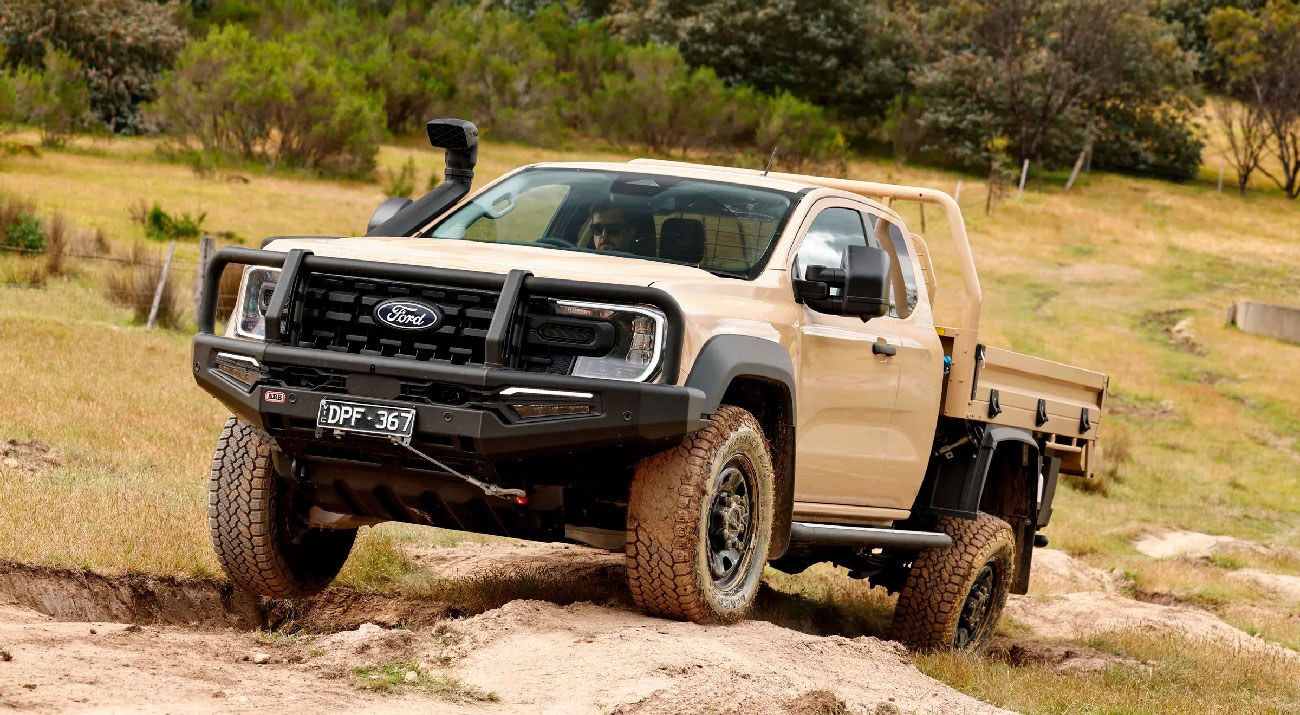
Ford Motor is in active negotiations with defense departments in Europe and North America to supply converted pickup trucks and software to their armed forces, Bloomberg reported this week.
The discussions started in 2025 and remain "productive," though no contract has been finalized, Ford confirmed in a blog post.
Ford is offering to adapt its F-Series lineup, including its largest Super Duty trucks, for military field use.
The company argues that the vehicles and software it already sells through its commercial Ford Pro division are precisely what governments need to modernize aging military fleets.
Pentagon Recruiting Beyond Traditional Defense Firms
The talks reflect a deliberate Pentagon strategy to pull conventional manufacturers into defense contracting.
Army Secretary Dan Driscoll named Ford and General Motors specifically in a February 2026 Bloomberg interview. "Can you go get GM? Can you get the Fords," Driscoll said, asking whether large American industrial companies could return to the defense sector.
The Defense Department's stated goal is to diversify its contractor base to improve service and reduce cost, per the same report.
Ford hasn't identified which countries beyond the US are involved in the current talks.
Detroit's Defense Precedent Runs Deep
Ford's willingness to engage isn't without historical foundation. Detroit automakers built aircraft, vehicles, and engines during World War II under what became known as the Arsenal of Democracy. Ford also retooled its factories to manufacture ventilators and personal protective equipment during the 2020 pandemic.
That institutional muscle memory makes Ford a credible candidate for rapid defense conversion, even if the commercial and military truck markets operate on very different procurement timelines.
Ford stated plainly that it's still in the early stages of this work and that no specific defense projects have been finalized.
Whether these negotiations produce a contract depends largely on how fast defense departments in both regions move to act on their diversification goals.

