Washington Pulls the Plug on Climate Policy, Redrawing Energy Investment Outcomes
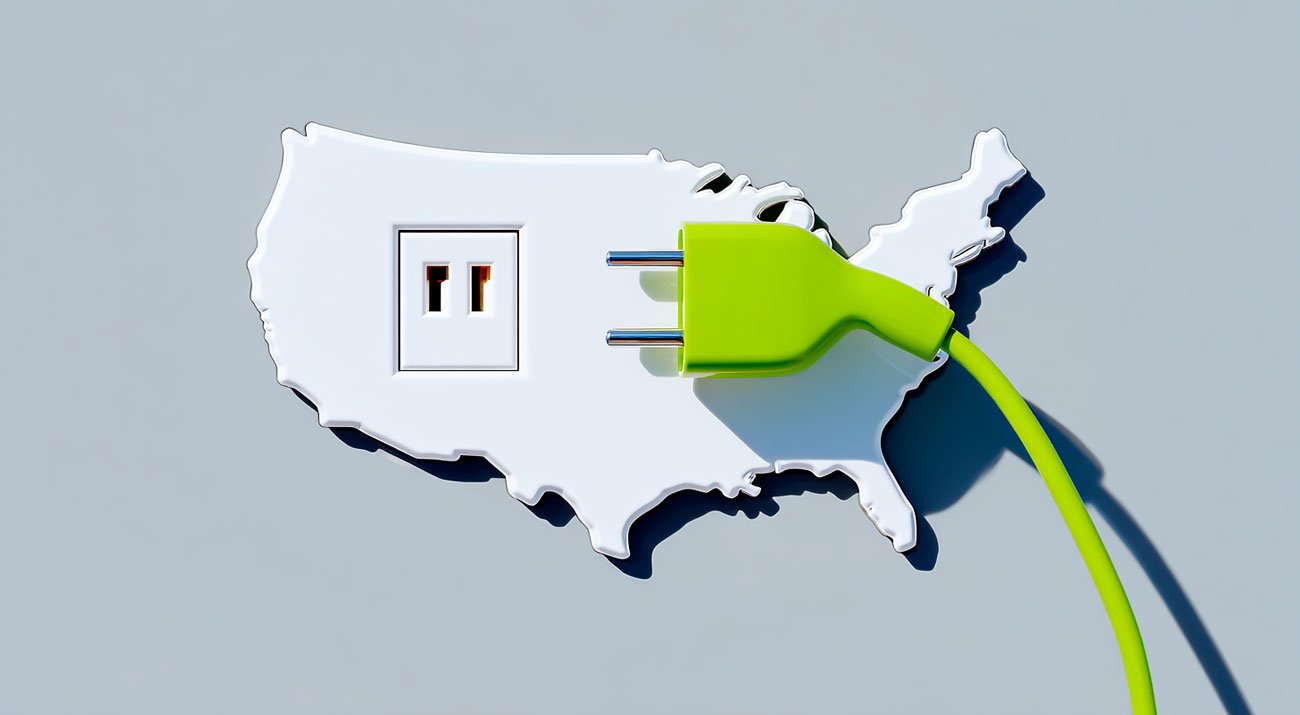
Climate policy is heading for the shredder. The Trump administration is preparing to torch nearly two decades of emissions policy, a shift EPA Administrator Lee Zeldin called “the largest act of deregulation in the history of the United States.” The plan targets the 2009 endangerment finding, rolling back vehicle emissions rules, and loosening oversight of power plants and factories — reshaping the outlook for energy, autos, and infrastructure.
Energy wins, climate losses: The rollback gives traditional energy producers more operating room, potentially boosting margins. Officials say it will reduce regulatory costs by over $1T and save automakers about $2.4K per vehicle, though environmental groups warn that climate rules prevent hundreds of thousands of premature deaths. To reinforce the shift, President Trump plans to issue a White House order directing the US Department of Defense to procure power from coal plants while funding upgrades at five sites across West Virginia, Ohio, North Carolina, and Kentucky. Energy Secretary Chris Wright says the move supports AI power demand, re-industrialization, and stable electricity prices.
- ConocoPhillips, Permian Resources, Matador Resources, and Hallador Energy stand to gain from lighter regulation across oil, gas, and coal.
- General Motors and Ford could see eased emissions rules that slow EV timelines, while Tesla faces stiffer competition in a less supportive EV policy environment.
The Mixed Blessing
The repeal zeroes in on vehicle emissions rules under the Clean Air Act, which the Biden administration used to push standards requiring 35%–56% of new car sales to be electric by 2030–2032. Those targets are now effectively scrapped — a move EPA chief Lee Zeldin frames as regulatory relief but environmental groups call a step backward. The shift also tilts the grid toward greater reliance on natural gas and coal, potentially benefiting GE Vernova, Quanta Services, and Babcock & Wilcox Enterprises through plant upgrades and infrastructure work.
- The American Petroleum Institute supports scrapping the vehicle finding but keeping it for stationary sources, preserving methane rules for oil and gas operations.
- The Tennessee Valley Authority is set to vote on keeping two coal plants open, underscoring how quickly the policy shift is reshaping operational plans.
Legal hurdles ahead: Environmental groups and Democratic-led states like California, New York, and Massachusetts are lining up court challenges that could drag on for years as federal enforcement eases. That vacuum is already pushing states to go their own way, with California arguing it no longer needs EPA approval to regulate tailpipe emissions — setting up a messy patchwork for nationwide operators. Adding to the uncertainty, a federal court said the US Department of Energy violated the law in forming a climate advisory panel that backed the repeal, leaving the rule open to further legal challenges. For investors, the edge isn’t just in picking winners but in spotting who can navigate the regulatory chaos.

