Washington and Beijing Are Trading Blows Again — and Investors Are Bracing For The Worst
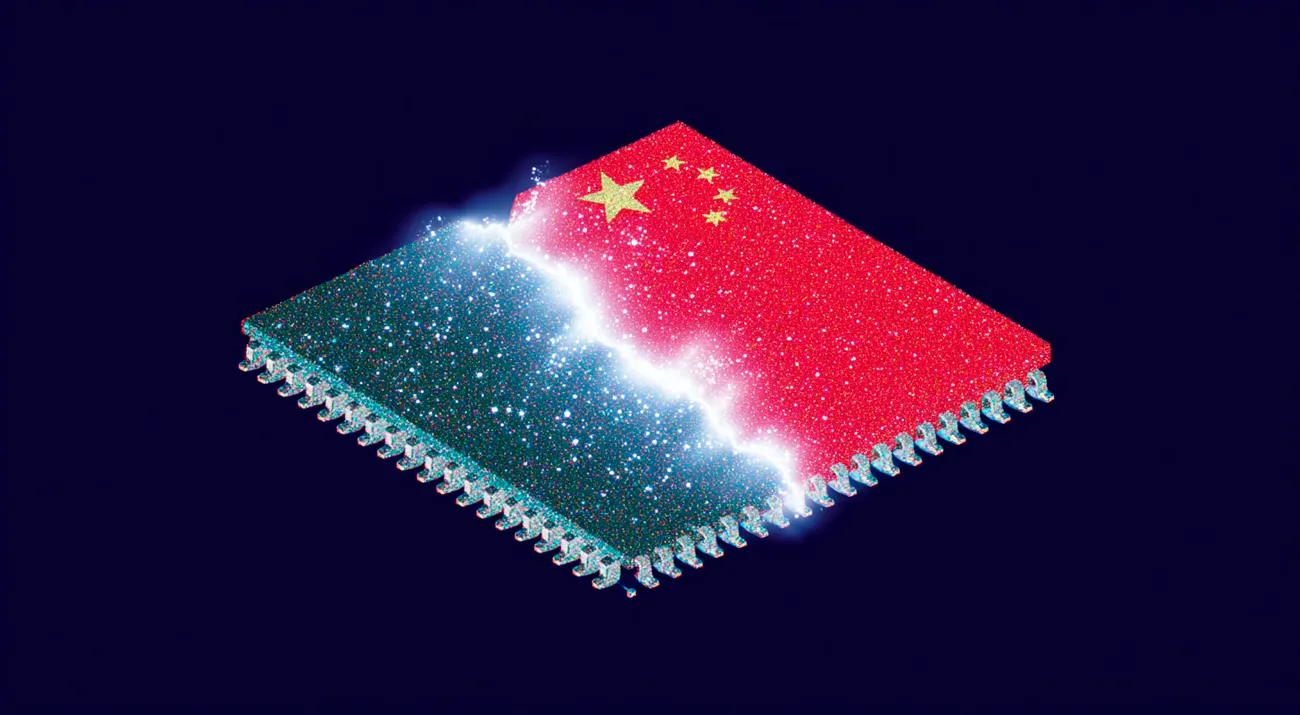
The trade truce that many hoped would hold unraveled in one weekend of tit-for-tat escalations. Months of simmering tension between Washington and Beijing suddenly boiled over, spilling into multiple industries at once. Investors, markets, and companies were left scrambling to absorb the fallout.
Markets hate surprises: The S&P 500 had its worst day since April on Friday, wiping out $1.5T in value as investors processed what looked like a full-blown restart of the trade war. Trump threatened to impose 100% tariffs on Chinese goods, but by Sunday, he was already softening his tone with a post saying, “Don’t worry about China, it will all be fine.” By Monday, stocks had rebounded as investors leaned on what Wall Street calls the “TACO trade” — Trump Always Chickens Out — where fiery rhetoric quickly gives way to reassurance and recovery. Even as stocks recovered, the broader impact of renewed tensions is starting to show:
- Qualcomm fell 4% after China launched an antitrust probe into its $400M Autotalks deal, adding fresh pressure to US chipmakers already tangled in export curbs.
- Beijing hit back with $56-per-ton port fees on US vessels — matching Washington’s charges — and vowed hikes through 2028, calling America’s move a “textbook double standard.”
The Next Trade Earthquake
What really has economists on edge is that China’s latest move goes beyond tariffs and into supply chains. Under new rules rolling out through December, any company must get Beijing’s approval to export products containing more than 0.1% Chinese rare earth materials, effectively giving it leverage over whether Nvidia, Intel, or TSMC can sell chips in the US. The curbs don’t begin until December, while US tariffs start in November — a gap Nomura’s Ting Lu sees as room for negotiation before the Trump–Xi meeting at APEC in South Korea. With politics gridlocked, Wall Street is already hedging for a lasting split:
- Still, JPMorgan is putting $10B into US national security sectors, funding MP Materials’ $1B magnet plant and Intel, where Washington now holds a 10% stake.
- CEO Jamie Dimon said the US has grown “too reliant on unreliable sources” and called for stronger domestic supply chains — signaling Wall Street expects economic decoupling ahead.
Strategic buffer or false hope: Deutsche Bank’s Jim Reid framed the standoff as “rare earths versus AI chips,” warning these tensions “will probably be a recurring theme in the years ahead as both sides compete on the global stage for dominance.” But Macquarie’s Larry Hu cautioned that “the root cause of the tension is due to a lack of mutual trust,” with each side viewing identical moves as hostile acts. The TACO trade might deliver another temporary truce, but the fundamentals suggest something’s permanently shifted.

