USDA Offers Up to $500M to Keep Smaller Beef Processors Running as Cattle Shortage Deepens
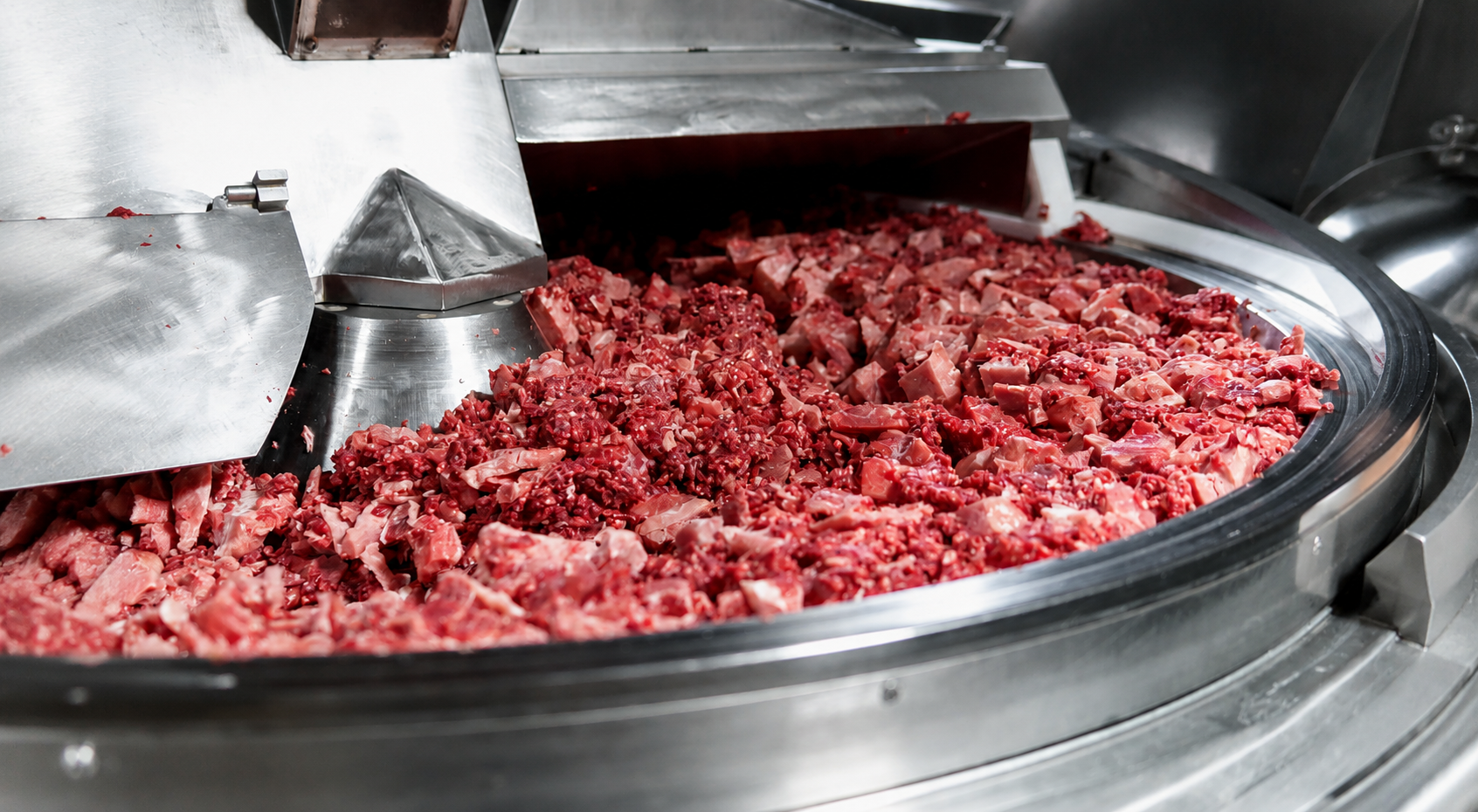
The US Agriculture Department is launching up to $500M in payments to small and mid-size meatpacking companies struggling under a historic cattle shortage.
The program, called the Strengthening Processing for US Ranchers (SPUR Program), reimburses eligible beef plants for each head of cattle they process beyond USDA-set thresholds. Plants must maintain processing volumes at set percentages of their 2025 totals — 100%, 90%, or 70% — to qualify.
The Big 4 are excluded. Tyson Foods, JBS, Cargill, and National Beef together process roughly 85% of US beef and are not eligible for SPUR funds. The program is limited to US-owned processors with smaller market shares.
News of the plan sent both large processors lower. Tyson shares fell 3% and JBS dropped 2.4% after the Wall Street Journal first reported the program.
Why the cattle supply is stuck
The US cattle herd stood at 86.7M animals in January, one of the lowest level since the early 1950s. Multi-year drought across Nebraska, Oklahoma, and Texas forced ranchers to sell animals and reduced available pasture. The reemergence of the New World Screwworm added further disruption, and a 2025 USDA ban on Mexican livestock imports cut a key supply source for US feedlots.
Despite record cattle prices — which should signal ranchers to expand their herds — growth has not materialized. Pastures take years to recover from drought, and feed costs remain elevated.
"We've got record high cattle prices. That's to provide incentives for rebuilding the herd. But at this point in time, we're not seeing that happen," said Derrell Peel, Oklahoma State University.
The squeeze is acute for processors. Meatpacking plants in Nebraska, Texas, Pennsylvania, and Tennessee have closed or cut operating hours in 2026. Processors are losing an estimated $300 per head of cattle. Tyson has said it expects to lose between $350M and $500M in its beef business this fiscal year. Analysts had flagged smaller, less-diversified plants as particularly at risk since they cannot offset beef losses with chicken or pork profits.
What consumers are paying
Ground beef averaged nearly $7 per pound in May, a record high. The USDA estimates beef prices will likely rise 10% through the rest of the year. Consumer demand has stayed strong despite those prices, with no meaningful pullback in buying.
The SPUR program is designed as a bridge, keeping smaller processing capacity intact until cattle supplies recover. The Justice Department has also launched a criminal probe into the largest US meatpackers over pricing practices. A new USDA report on cattle herd size is expected in July.

