US Treasurys Have Always Been A Sure Thing — Some Investors Are Warning That Might Not Last
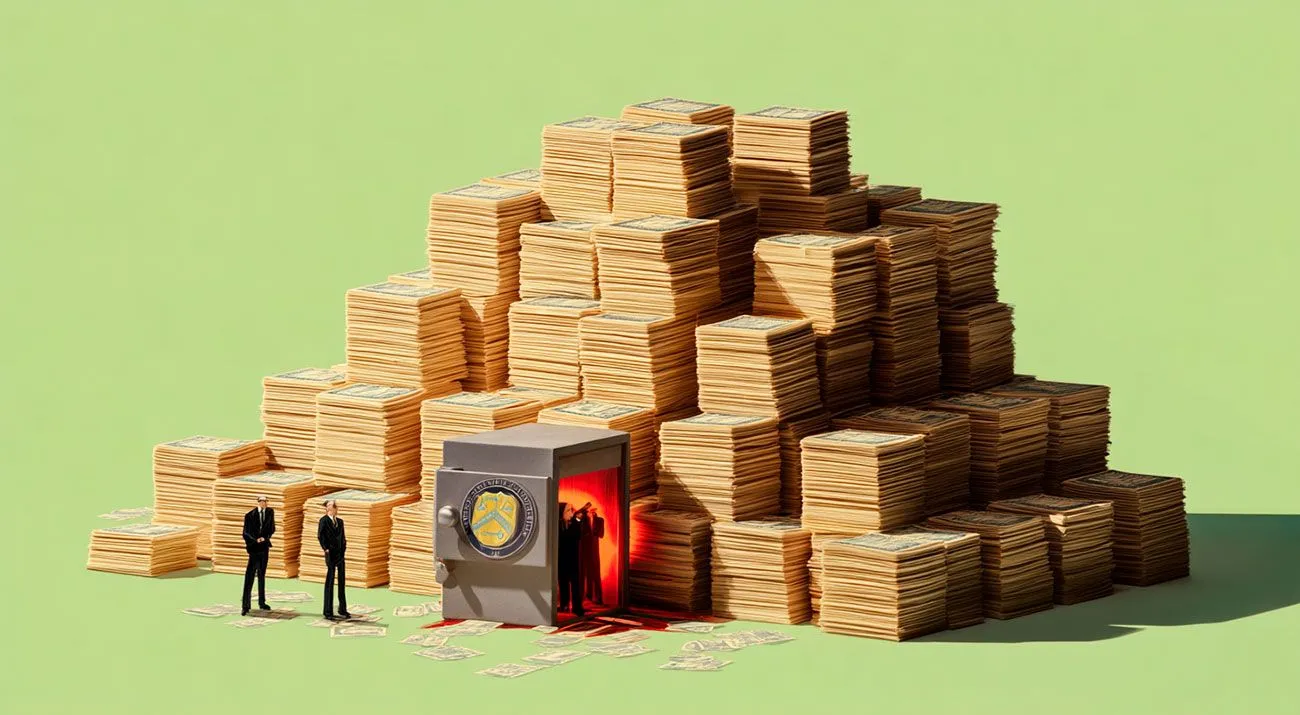
For nearly a century, the US has been the place to be — whether you’re chasing stock rallies or parking money in bonds. But the infectiousness of the word ‘uncertainty’ has some investors reevaluating their notions about Pax Americana. Nowhere is that shift more visible than in the market’s so-called safest asset: US Treasurys.
Strong bonds: Despite always paying in full and on time, the world’s most popular sovereign debt has drawn detractors who are effectively saying, “It’s not different yet, but it’s going to be.” They’re rowdy — but not alone. Citing the increasingly troubling deficit, government instability, and bipartisan can-kicking, business leaders like Berkshire’s Warren Buffett, Bridgewater’s Ray Dalio, and JPMorgan’s Jamie Dimon are warning that the federal government might have a problem; they’ve declared these warnings of “fiscal folly,” a “shift in the global order,” or the precursor to “cracks in the bond market,” as Treasurys trade erratically.
- While the Fed Funds Rate remains between 4.25% and 4.5%, long-dated Treasurys have traded crazily, reacting to the ‘Sell America’ trade, the new Republican tax bill, and Moody’s recent downgrade of US debt.
- As a result, bond giants like Pimco and DoubleLine have steered away from long-dated US Treasurys, opting for short-dated Treasurys, which offer similar returns — but with less wait and less drama.
What’s the Problem?
US Treasury Secretary Scott Bessent says there’s nothing to worry about. He insisted Sunday that the US will never default on its debt, pushing back on warnings from business leaders like Dimon, adding that similar doomsday calls have missed the mark before. While Bessent is right, it doesn’t mean there isn’t a deeper issue brewing.
- In March, the Congressional Budget Office warned that the US debt as a share of GDP would exceed its World War II-era peak in the coming years, irrespective of the new budget proposed by Republicans.
- Even Republicans, seen by Americans as more ‘fiscally responsible,’ have thus far failed to assuage fears about their tax bill, which is seen widening the deficit and continuing the bipartisan tradition of avoiding long-term fiscal reforms.
So then what? While the wealthy elite might swear that America has a problem and swear off hardy US debt, that doesn’t change the fact that short-dated Treasury funds remain a convenient way to save and earn higher interest than you’d get in your bank account. Short-term funds, such as the ever-popular iShares 0-3 Month Treasury ETF, are paying over 4%. And for those willing to saddle the risk and worry of the moment, we’ve previously highlighted an opportunity in long-term Treasury funds like the iShares 20+ Year Treasury ETF, which pay even higher rates and offer potential opportunities for upside when rate cuts finally come.

