Trump’s New Tariffs Are the Most Aggressive In US History — Here’s What To Know
When Donald Trump won a second term as President, some on Wall Street were in a stupor — anticipating a pro-business, low-regulation, hands-off approach that could spur mergers and acquisitions and excite the markets.
Initially, he did just that, with markets soaring. Seventy-six days later, some investors now feel they’ve been sold a bill of goods — though the administration signaled its intentions clearly when it imposed tariffs on America’s three largest trading partners last month. That was the warning shot. Now, the global trade war is here — and it’s roiling the markets.
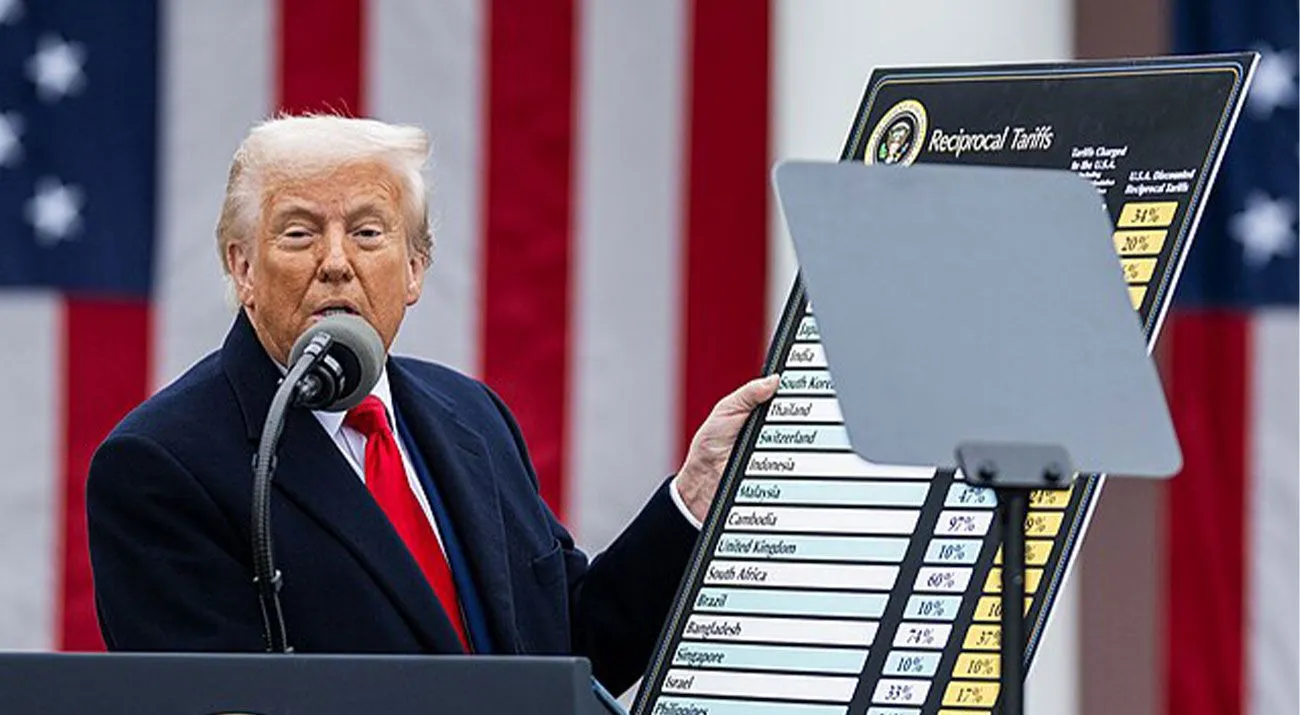
This past week, Trump expanded on a campaign promise to reshore business and stoke domestic investment, introducing a new 10% tariff on all imports — and then going a step further, taking aim at more than 180 countries and territories with additional targeted tariffs.
Tearing up the textbook: Trump calls “tariffs” a beautiful word, but for this administration, it’s more than that. White House aides consider the Republican’s policies a matter of fairness — repeatedly citing how other countries have ripped off the US. In recent weeks, we’ve come to understand that what Trump is focused on is the trade balance between the US and other countries — and his new tariffs take aim at this. However, to call them “reciprocal tariffs,” as the President has, may be a misnomer. That’s because the White House’s new tariffs are largely based on trade balances and not the tariff rates imposed by trade partners.
- For example, Trump claims countries like China, Japan, and the European Union charge US goods tariffs of 67%, 46%, and 39%, respectively — their actual WTO trade-weighted averages are 3%, 1.9%, and 2.7%.
- In other words, the Trump Administration is calculating tariffs on other countries based on how much they trade with the US — not how much they actually tariff US goods.
Meanwhile, in the Economy
President Trump’s new tariffs will radically increase the price of imports from key trade partners such as China (54%), Taiwan (32%), and the EU (20%). The reaction was immediately felt in the market — especially among retail giants, automakers, and homebuilders — as stocks sold off more than 10%. Market movement may just be a precursor to the broader economic impact on the average Joe.
- As a result of the tariffs, the price of everyday items like coffee, aluminum cans, and clothing is expected to rise immediately — and once prices go up, they can be hard to bring back down.
- The announcement triggered what some have described as “a crisis of confidence in the dollar,” which surprised analysts — as tariffs generally tend to increase a currency’s value, and the Dollar lost value. even though tariffs generally increase the value of a currency.
And we’re just getting started: Trump’s tariffs fit into a set of policies that the White House has described as “economic shock therapy.” This has included the Trump Administration laying off hundreds of thousands of government employees, cuts to government spending on research and academic ventures, and efforts to bully interest rates to spur economic investment and reduce the government’s trillion-dollar debt payments. Of course, many of these moves have stoked higher unemployment, growing economic anxieties, and potentially even hampered GDP growth. There are increasing discussions that Trump’s ‘shock therapy’ may result in stagflation — low growth combined with higher inflation. Those short-term consequences might be at odds with the President’s long-term ambition to resurrect an America that died generations ago. Only time will tell whether anything from the past can truly be made new again.

