Trump’s Health Research Funding Plummets 28%, Creating Medical Innovation Emergency
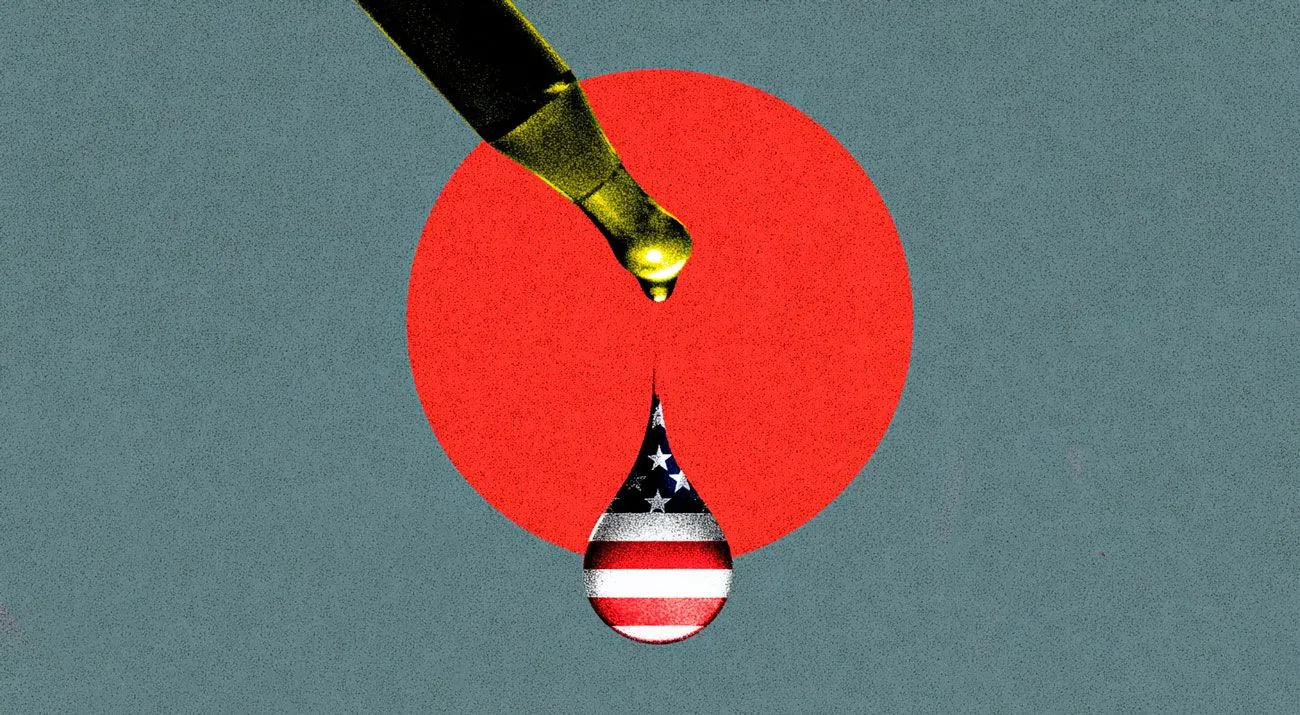
The US’ scientific lifeline is getting cut, and Americans aren’t expecting medical miracles to flourish. The Trump administration has slashed health research funding to its lowest point in a decade, with National Institutes of Health (NIH) grant disbursements crashing 28% to just $2.8B in May — the smallest payout since September 2014. This reduction has triggered a cascade of consequences across America’s research ecosystem, forcing universities to drain their endowments while laboratory supply companies brace for prolonged revenue headwinds.
- The NIH’s $47.7B annual budget typically flows four-fifths of its resources to universities and hospitals through targeted project grants, making these cuts particularly devastating for academic research institutions.
- More than 2.1K research grants totaling $9.5B have been terminated since Trump took office, alongside an additional $2.6B in contract cancellations, according to NIH employees who’ve launched a rare public rebellion.
Scientific insurrection brewing: Over 340 current and recently terminated NIH employees have signed the “Bethesda Declaration” — a public rebuke criticizing the administration for cuts that “harm the health of Americans and people across the globe.” Companies like Thermo Fisher Scientific have already acknowledged softened academic demand for the remainder of the year, while gene sequencing firms, including Illumina and 10x Genomics, face mounting pressure from reduced university purchasing power. The effects extend beyond corporate balance sheets, with research labs confronting stark choices about personnel layoffs and graduate student admissions, as sixteen states have sued the NIH over alleged unlawful withholding of funds.

