The Fitness Company That Survived COVID Thinks AI Will Save It From Irrelevance
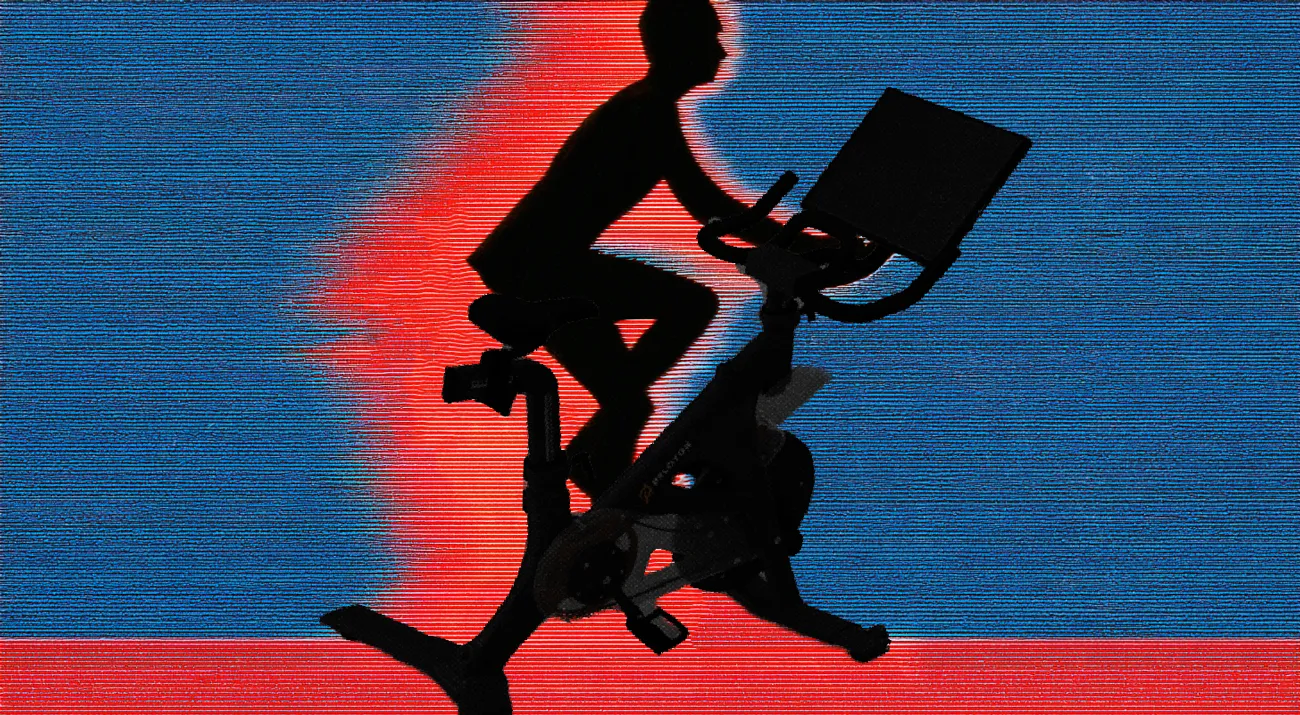
They say a good trainer can spot the moment your form breaks — Peloton is betting a camera and some code can do the same. The pandemic workout darling that soared during lockdowns and crashed just as fast is rolling out its biggest overhaul in years, but whether investors buy it is another story.
The AI personal trainer pitch: Peloton’s introducing what it calls Peloton IQ, an AI system that analyzes your movements through a camera and delivers real-time coaching feedback — essentially promising a fraction-of-the-cost personal trainer without the personal part. The update brings new bikes, treadmills, and rowers with swivel screens that let users shift seamlessly into yoga or strength classes. Premium models get the AI-powered tracking cameras that promise to catch everything from shallow squats to weak pushup form.
- Monthly all-access subscriptions rose to $49.99, while hardware prices saw hikes across the board — with the Bike+ now $200 higher and the Tread+ up a steep $700.
- Peloton is expanding into commercial equipment for hotels and apartment gyms, wagering that hands-on exposure in premium settings will turn casual users into long-term subscribers.
Working Out the Skepticism
Investors aren’t convinced this turnaround has legs. Peloton’s AI push is designed to reduce its reliance on constantly producing new classes by helping members navigate its existing library, freeing up instructors for other projects while trimming content costs. Bloomberg Intelligence analysts said the business is “getting healthier,” but questioned whether subscriber trends are truly stabilizing, while Citizens analyst Andrew Boone cautioned that higher prices could pose a “near-term headwind to subscriber growth.”
- now trades around $8 — a far cry from its pandemic peak of $162 in Dec. 2020, when lockdown consumers couldn’t get enough of instructor-led home workouts.
- The company now faces an uphill battle convincing consumers to pay more for equipment as it cuts 6% of staff, forecasts a 2% revenue decline for 2026, and lags on hardware updates.
Human factor remains: Peloton is treading carefully with its star instructors, whose loyal followings and sponsorships remain central to the brand. Fitness expert Natalia Mehlman Petrzela called replacing them with AI “suicide,” so the company is positioning the technology as support rather than substitution. While Peloton is hoping personalized AI coaching can justify higher prices and reignite growth, Wall Street needs more than promises to buy into a comeback.

