The Biggest IPO Bonanza Ever Is Coming In 2026, and Investors Are Already Counting Their Bets
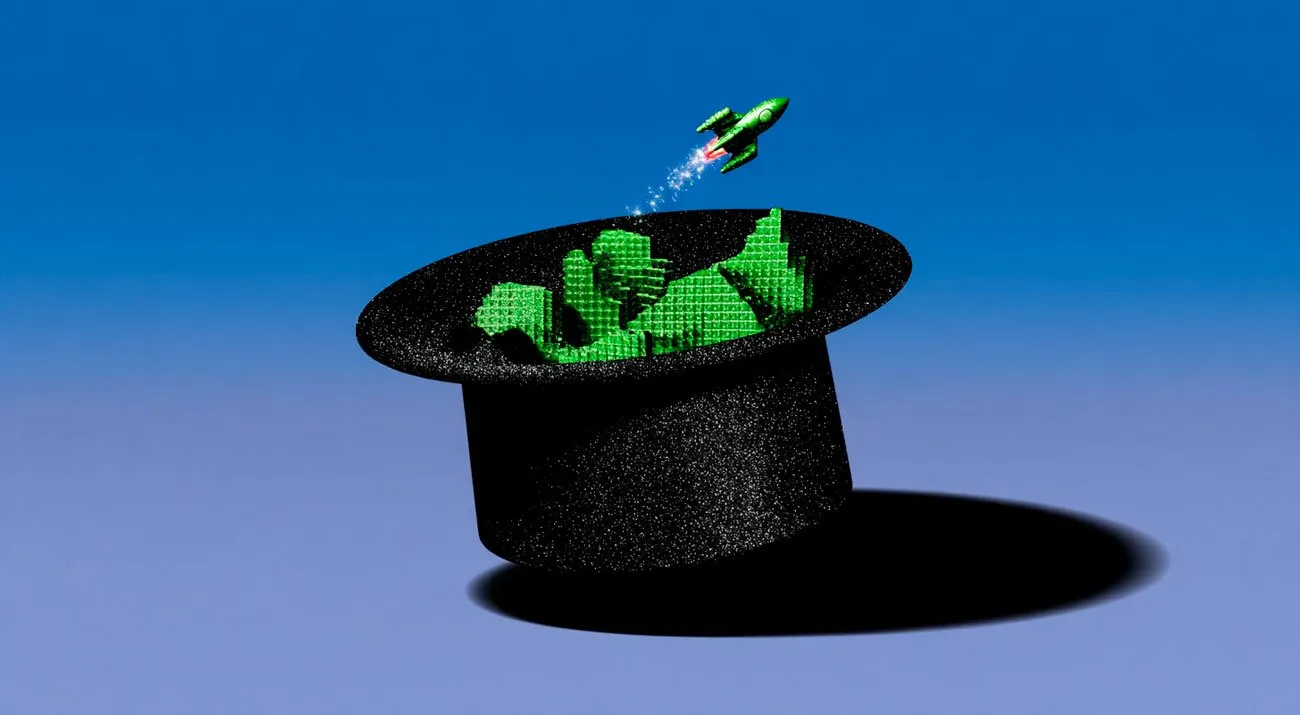
The drought is officially over, but the flood may be harder to handle. After years of stalled public debuts, some of the world’s most valuable private companies are lining up to go public, potentially adding nearly $3T in market value by the end of 2026. It’s building up to be the largest IPO wave ever, assuming markets can absorb the excitement without buckling under it.
IPO mania: Markets are hovering near all-time highs, and investor demand for anything tied to AI, space, or crypto is running hot. Interactive Brokers’ Steve Sosnick says the setup is ideal to “feed the ducks while they’re quacking,” and some of the biggest private names are listening. SpaceX has confirmed plans to go public next year at a potential $1.5T valuation, while OpenAI’s implied $500B valuation keeps IPO speculation simmering.
- AI and space dominate the pipeline, with potential mega-IPOs from companies Anthropic and Databricks that could test investor appetite for capital-intensive, high-valuation stories.
- Fintech and crypto are lining up behind them, as Stripe, Canva, Kraken, and Pershing Square signal 2026 could bring one of the most crowded and consequential IPO slates in years.
Too Hot To Handle
Here’s the catch — many of these companies generate little to no profit, yet carry valuations stretched by speculative optimism. Jay Ritter of the University of Florida warns that if “valuations get too ridiculous,” the market risks another “WeWork moment,” recalling how a $47B price tag collapsed once investors pushed back. Still, demand is set to grow:
- More than 900 firms filed registration statements during the government shutdown, pointing to massive pent-up IPO demand once markets fully reopen.
- Banks are floating staggered lockups to limit sell pressure, proposing 20 to 30-day release windows instead of the usual 90 to 180 days.
The crowded gate: The bigger question is whether investors have enough dry powder to absorb a wave of mega listings without reshuffling portfolios. Wells Fargo’s Jill Ford notes that “the bar will be higher because you’re asking portfolio managers to sell out of a big established name,” suggesting companies may need to price offerings at discounts to attract buyers. However, Jay Ritter warns, “great companies don’t always mean great investments,” a blunt reminder that public markets can be unforgiving regardless of the headlines or private market valuations that came before.

