Still Have I-Bonds? Here’s What They’re Paying Now — And Why You Might Sell Them
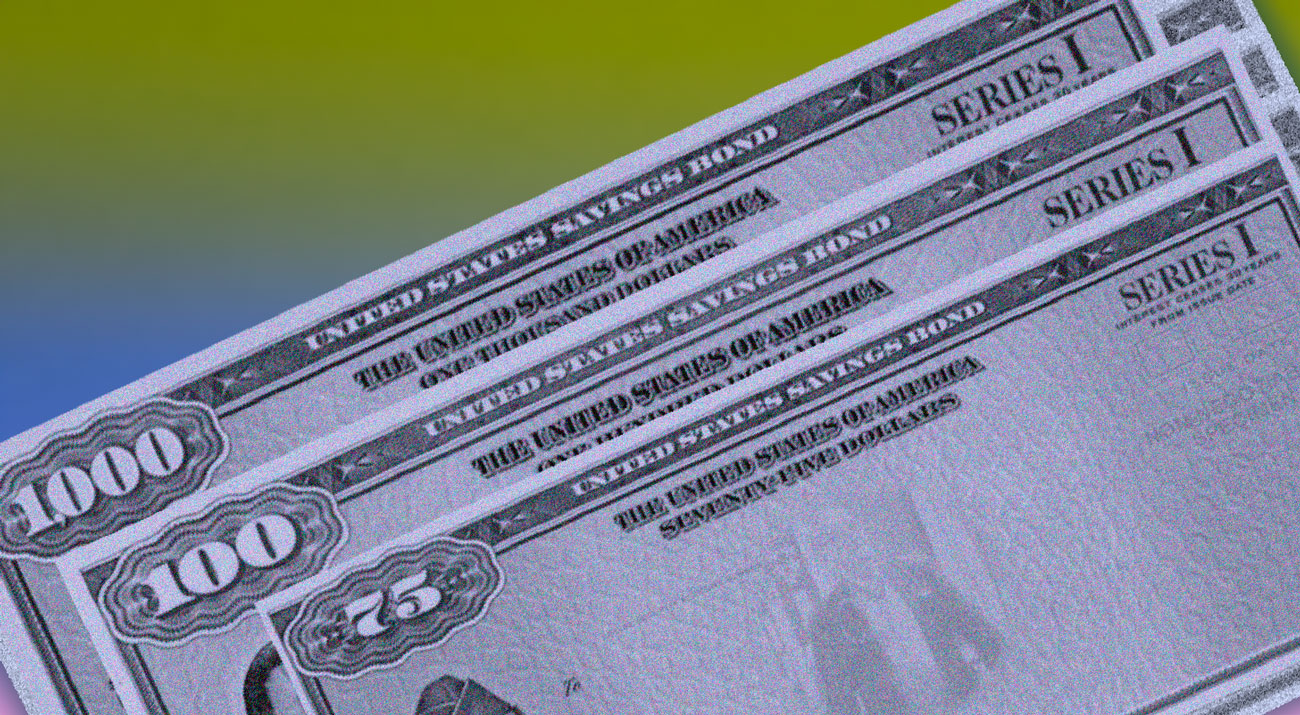
After the pandemic, government I-Bonds were all the rage among personal finance enthusiasts — a popular way to help Americans keep their money on pace with generationally high inflation (at least up to the $20K buying limit per year). But now might be a good time to check in on those.
- Existing I-Bonds are set to make just a 3.36% variable interest rate for the six-month period spanning May to Oct. 2026 — probably worth selling.
- However, newly-issued I-Bonds are offering 4.26% APY: the same 3.36% variable rate, plus a fixed 0.9%, which will exist into the future regardless of what rates do.
The fixed rate is everything: I-Bonds were attractive when inflation was high, but now the old ones pay less than bank accounts because the fixed rate was 0%. One of the big deterrents to selling was a 3-month interest penalty if you withdrew within five years. For most pandemic-era buyers, that time is coming.
What you might buy instead: Treasurys, like I-Bonds, are also exempt from state taxes — the exchange-traded funds like are also liquid, meaning you can sell at any time without penalty.

