Not All Housing Markets Are Made Equally: Here’s Where Homes Are Selling Slower (and Faster) than Average
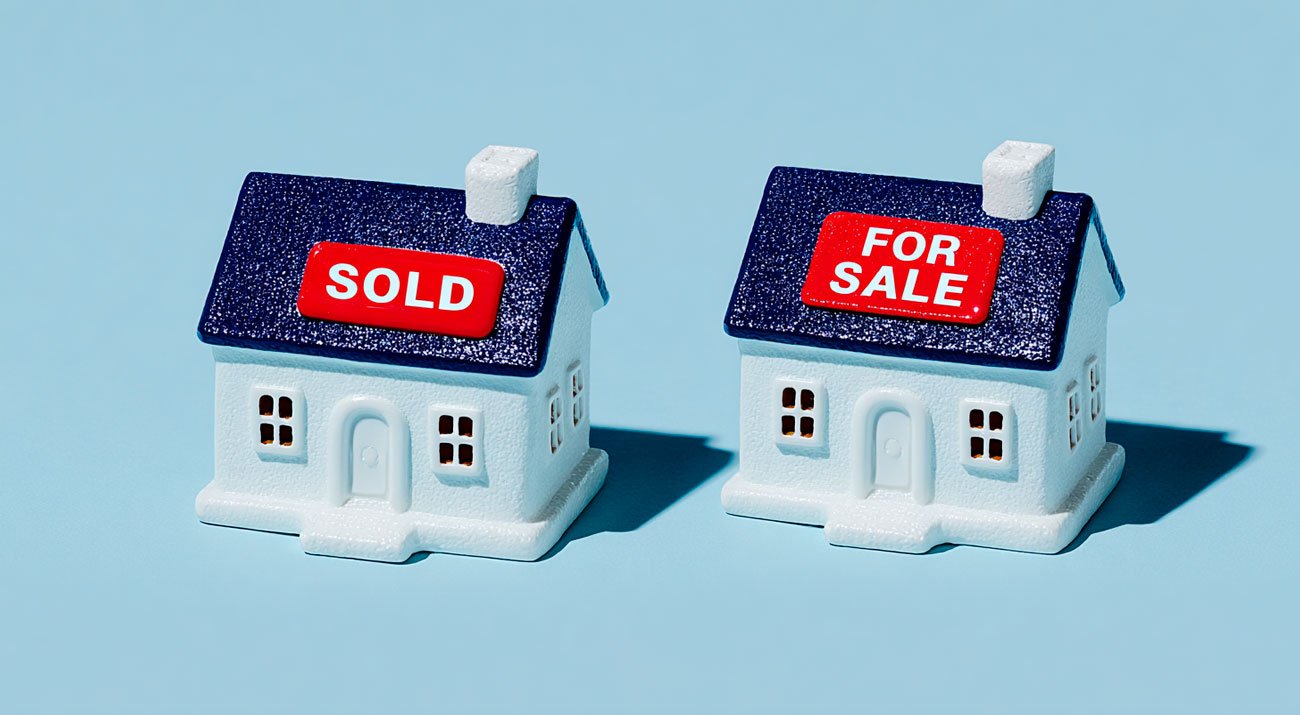
Homeownership was once touted as a wealth-builder for everyday Americans. Nowadays, the one-time “American Dream” is starting to feel more variable — almost like you’re playing the slots.
We can thank widely generationally high interest rates, state policies governing available supply, and a chasm in expectations for home prices. All of these factors influence the vastly diverging home prices across the country — and by extension, how quickly you can sell.
Finding buyers’ hell: On Thursday, Redfin released research using MLS data showing that the median US home spent 60 days on the market before going under contract in Dec. 2025 — up from 41 days last year. Zooming out, two months to sell isn’t half bad historically, but there seems to be a clear theme: markets that boomed in recent years are just not as attractive as they used to be.
- Homes in once red-hot markets are now taking almost 50% longer to sell than the median home — 106 days in Austin, TX; 99 days in both Fort Lauderdale, FL, and San Antonio, TX; and 92 days in Miami, FL.
- Markets that rapidly developed affordable housing appear to have the longest waits — in Austin’s case, the supply boom has left the market with more sellers than buyers.
What About the Winners?
While almost all metros are facing a more stagnant market, there are a few places where sales have remained the same — or even become easier. Ironically, they are likely metropolitan areas that people might have been ‘bearish’ on.
- The time to sell a house in San Jose, CA (25 days) and San Francisco, CA (32 days) has actually shrunk year-over-year, thanks to a housing boom brought on by another boom in the Bay Area — AI.
- Median sale time in midwestern markets hasn’t moved — like in Chicago, IL (61 days) and St. Louis, MO (34 days) — or even accelerated, like in Kansas City, MO (38 days) and Milwaukee, WI (48 days).
Markets on watch: People might make the mistake of assuming that the recent decline in southern housing markets is a result of building beyond supply — a noble effort. However, while booming wealth is driving the demand increase in California, affordable supply and still-healthy economies are buoying midwestern markets. Markets facing longer sale times and declining prices might have all of those things, but they have to ask a bigger question: Where does demand come from after a boom? To each their own; the jury’s still out.

