Markets Rebound As Trump Declares 90-Day Pause on Tariffs For Countries Which Had Not Retaliated
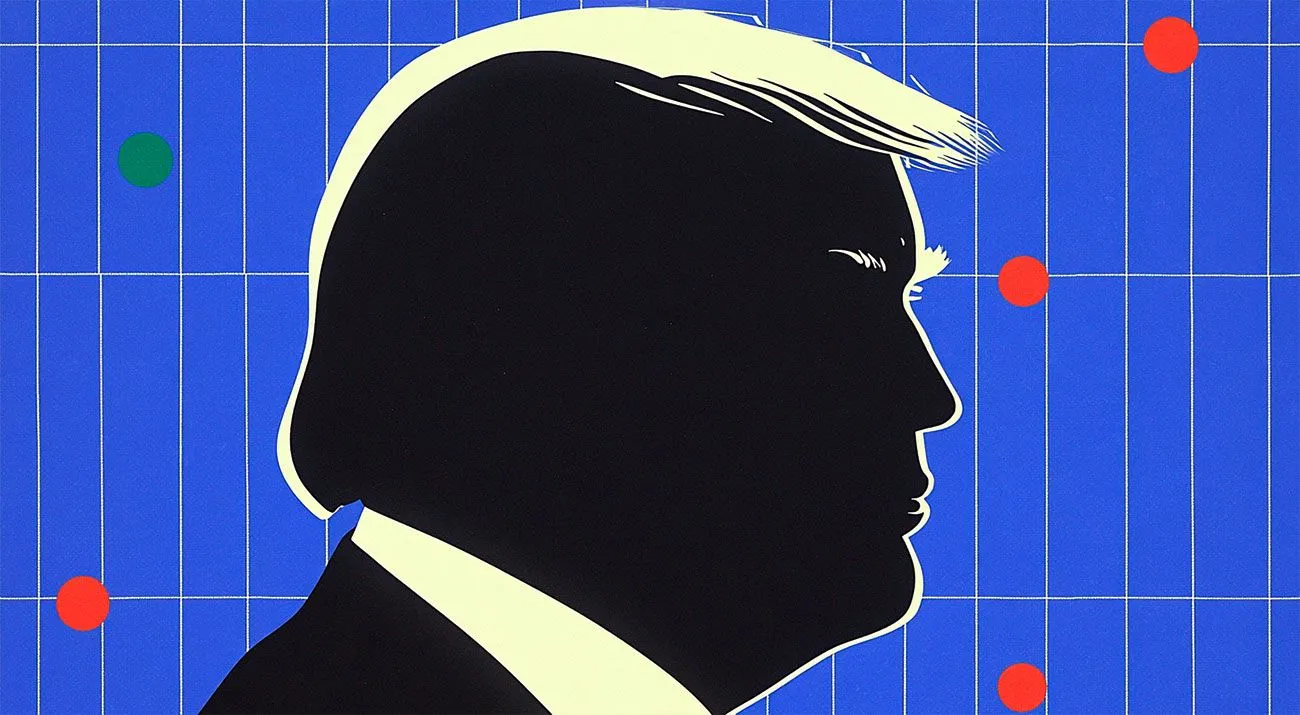
The product of Trump’s “Liberation Day” has itself been liberated, at least for a period of time. After a days-long, generational decline in the global markets — which saw the Nasdaq Composite decline over 19% — the President is reversing course on his global trade war. Investors are betting big that the pause might stick.
Trump pumps the brakes: Trump told reporters that he wasn’t really worried about the stock market, so perhaps it was the tumult in the bond market that troubled the President. This week, despite rising fears about a recession, US Treasury yields began to take off — with the 20 and 30-year rising above 5% on Tuesday evening, stirring worries that foreign holders and financial institutions might be dumping the world’s famous ‘safe haven.’ That likely agitated Trump, who made reducing interest rates a hallmark goal since it lowers the amount that the US government pays on its debt. It took no more than 12 hours for the Republican to declare a 90-day pause on his tariffs for countries that had not retaliated.
- Trump said that he was pausing tariffs because “people were getting afraid,” adding that he was watching “[JPMorgan Chase CEO] Jamie Dimon on Fox this morning” and that he “said something had to be done.”
- On the news of the pause, the Nasdaq-100 and S&P 500 soared more than 11% and 9%, respectively — Trump, who says he was also watching the bond market, also declared it was “now beautiful” as yields chilled.
Nothing Ever Happens — or Something Happening, Delayed?
The move gives some credence to the ‘nothing really happens’ crowd, seeing as though Trump quickly put an end to the days-long chaos he played a role in architecting. However, even though a 90-day pause might offer some near-term peace, it punts uncertainty further down the line — specifically with regard to Trump’s policy end goals.
- Trump had painted tariffs as a matter of fairness, declaring that they “made [the US] much stronger” and encouraged businesses to reshore and reindustrialize the country.
- He also billed tariff revenue as a solution to the federal deficit, with the White House boasting $600B in forecast tariff revenue as a sweetener to extend Republicans’ 2017 tax cuts.
Forward-looking: The elephant in the room is whether or not Trump aims to revisit the tariffs in the future. After all, they served a number of useful ends for the President but came with existential implications for the US and Dollar supremacy — considerations we’ll review in tomorrow’s issue. However, investors’ confidence reflects a greater optimism that the US will seek diplomatic channels and trade deals with its allies, even as it continues to fight bigger, targeted battles with trade partners like China.

