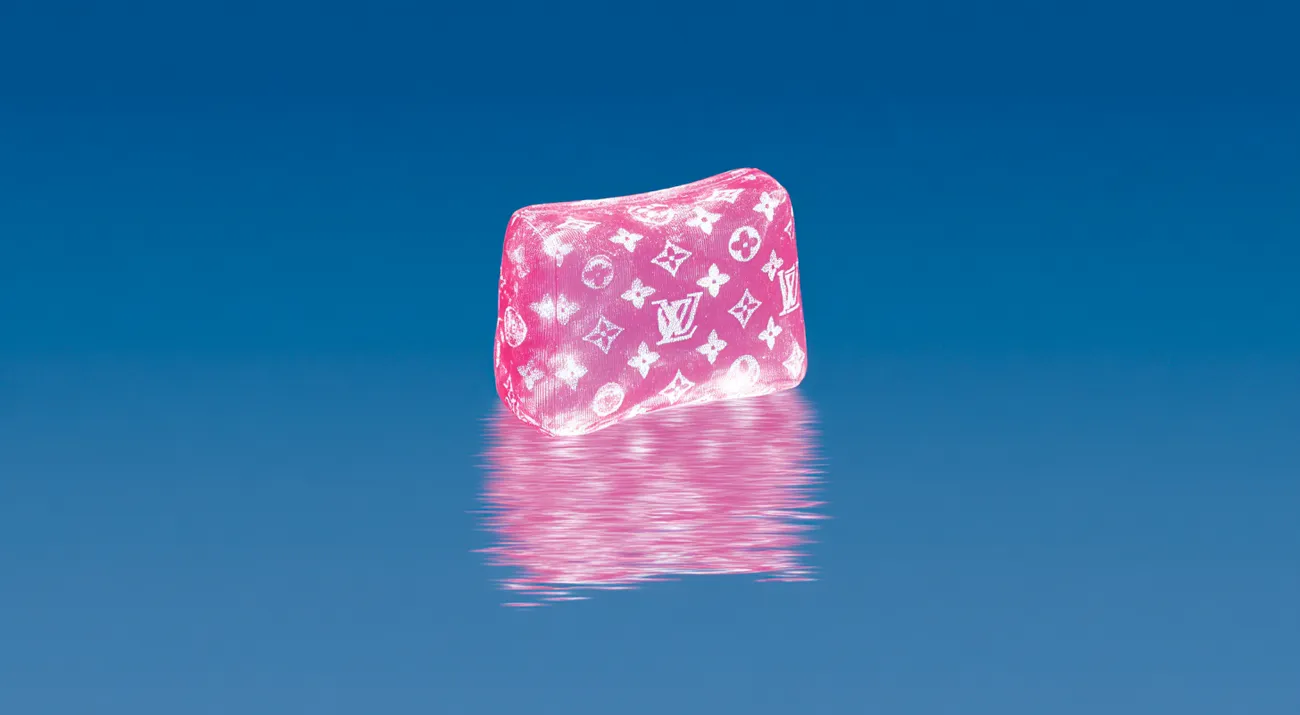
After nearly two years of watching luxury shoppers close their wallets, LVMH just proved there’s life after the post-pandemic hangover. The luxury brand’s return to growth in Q3 sent shares soaring 13% and triggered a sector-wide rally that investors haven’t seen since 2021’s glory days. But before anyone breaks out the Dom Pérignon, it’s worth remembering just how brutal the downturn has been — and how fragile this recovery might be.
When the music stops: What began as a routine post-pandemic correction has turned into a full-blown reckoning for luxury brands. The sector has hemorrhaged value as years of aggressive price hikes alienated the aspirational shoppers who once fueled the boom. Many are now questioning whether today’s higher prices still reflect genuine quality. Traditional luxury brands are still struggling with diluted identities and copycat aesthetics, while faster-moving rivals are winning over customers with authenticity and clearer value at more accessible price points:
- Over 70% of luxury brands are pulling back from multi-brand retail platforms, as those distributors face mounting financial strain.
- Brand searches have dropped for over 40% of luxury brands since 2022, while social media engagement has fallen by a similar amount — driven by price fatigue and creative stagnation.
Breaking The Cycle
Even with the downturn, LVMH delivered a rare bright spot in the luxury industry. CFO Cécile Cabanis pointed to “steep improvements” in Louis Vuitton’s China performance and “solid local demand” as mainland sales turned positive for the quarter (FT). Its fashion and leather goods division — which generates over two-thirds of profits — posted a 2% decline, a sharp recovery from the 9% drop in Q2.
- The upbeat results lifted the broader sector, with Hermès, Richemont, and Moncler rising as investors bet the worst may be behind them.
- Looking ahead, LVMH expects its new creative teams to start boosting sales by the first half of 2026 — provided China’s recovery holds and US demand continues to stabilize.
Don’t pop the bubbly yet: Deutsche Bank analysts called the results “more a case of fashion and leather goods numbers being better than relatively subdued expectations rather than a reason to bring out the champagne” (FT). RBC echoed the cautious tone, warning that “question marks remain” around demand for “soft luxury” like handbags and clothing. With other major brands set to report in the coming weeks, investors are now betting that new creative talent at Dior, Gucci, and Chanel can help reignite momentum across the sector.

