Investors Shrug Off US Incursion in Iran — Here’s Why (And What To Watch For Next)
When B-2 Bombers dropped several 27,125 pound GBU-57 A/B ‘bunker buster’ bombs on Iranian nuclear assets this weekend, it wasn’t much of a surprise to anybody…
Maybe not even the intended target.
In the run-up to the US incursion, Iran faced a barrage of missiles from neighboring Israel, which launched the attack despite President Trump urging Israeli Prime Minister Benjamin Netanyahu not to.
The target? Iran’s stockpile of near-weapons-grade nuclear materials — which it insists are for “civilian use” — has been a point of concern in the region for decades. It’s also been a convenient political tool for the controversial Israeli leader, just days after he survived a vote of no confidence.
But what now?
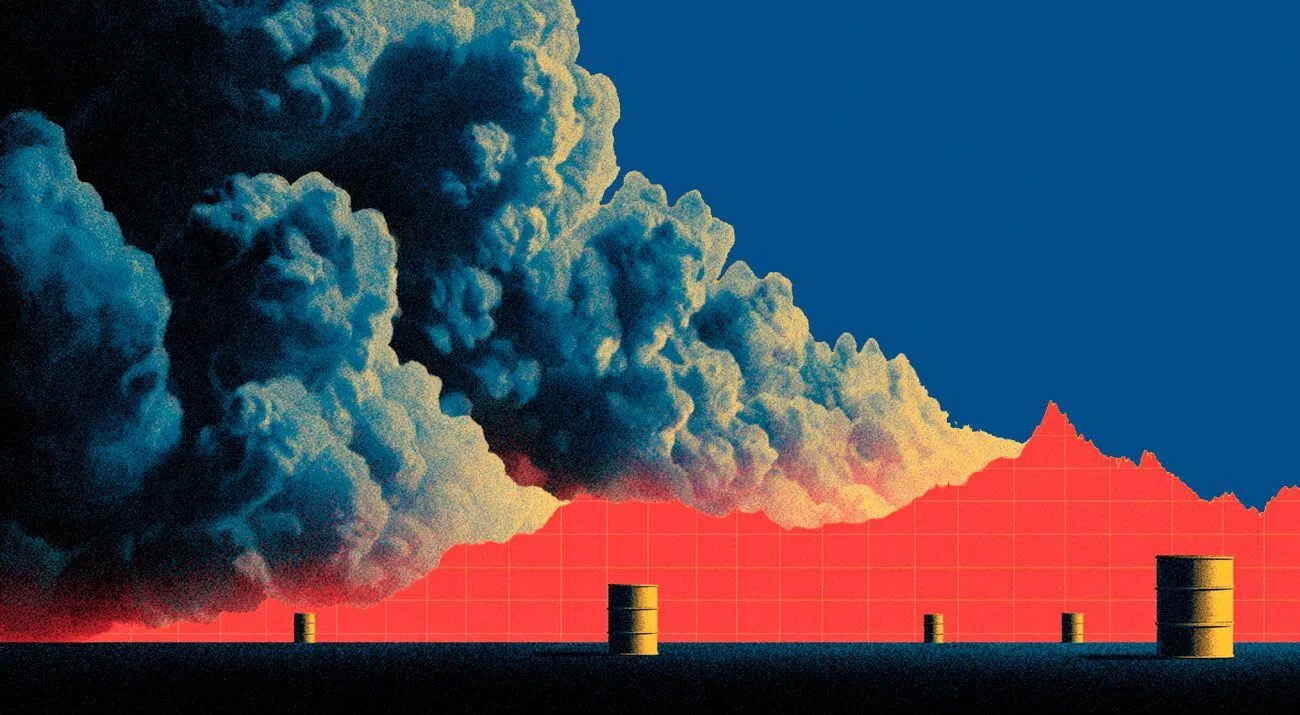
Many such cases: It’s likely not the last we’ll hear from Iran, as the International Atomic Energy Agency (IAEA) and US intelligence concede that they ‘lost track’ of parts of Iran’s uranium stockpile after it was moved ahead of the siege. That could become a long-term issue, but for now, investors are writing off recent attacks as mostly “symbolic” as President Trump pushes to end the conflict. The S&P 500 rose 0.96% on Monday, while WTI Crude oil fell 8.7% to $67 — not really the market reaction you’d expect after a tumultuous weekend. So why?
- While Qatar has arranged a ceasefire in the conflict, there’s no guarantee that it lasts — but many investors see the geopolitical turbulence as contained, with uncertainty already a staple of today’s markets.
- Besides, investors were already dealing with other forms of uncertainty before the latest flare-up — tariffs were first to stir inflation worries, derail M&A prospects, and tear apart strong earnings.
What Comes Next?
Some stability could be kind to investors, but they’re unlikely to find any of that here, even if the Middle East situation is sorted. Instead, they’re simply hoping the picture improves as 2025 drags on — a year that has already garnered a reputation for being politically fraught. Going forward, here are the themes to watch:
- Oil prices: Iran has reportedly considered closing the Strait of Hormuz, a key oil transport route, which could affect oil prices and drive demand for safe havens.
- Inflation: Energy makes up 6.3% of the Consumer Price Index, and higher oil prices could threaten progress on falling inflation — though WTI (US oil benchmark) is back below $70, while Trump urges “everyone” to keep oil prices low.
- Rate cuts: If things stay quiet (as they often do), Trump-aligned Fed appointees may push for rate cuts as early as the next meeting.
Could things really get worse? It remains to be seen how the situation could cool off or heat up from here, but there’s no guarantee that the arranged ceasefire between Israel and Iran will stick. But for now, largely insulated from the consequences of engagement in the region, domestic (and global) investors are leaning into a familiar mindset: what’s done is done.

