Investors Are Selling Clean Energy Stocks After Republicans’ “One Big Beautiful Bill” Threatens Catastrophic Cuts to Investment Credits and Incentives
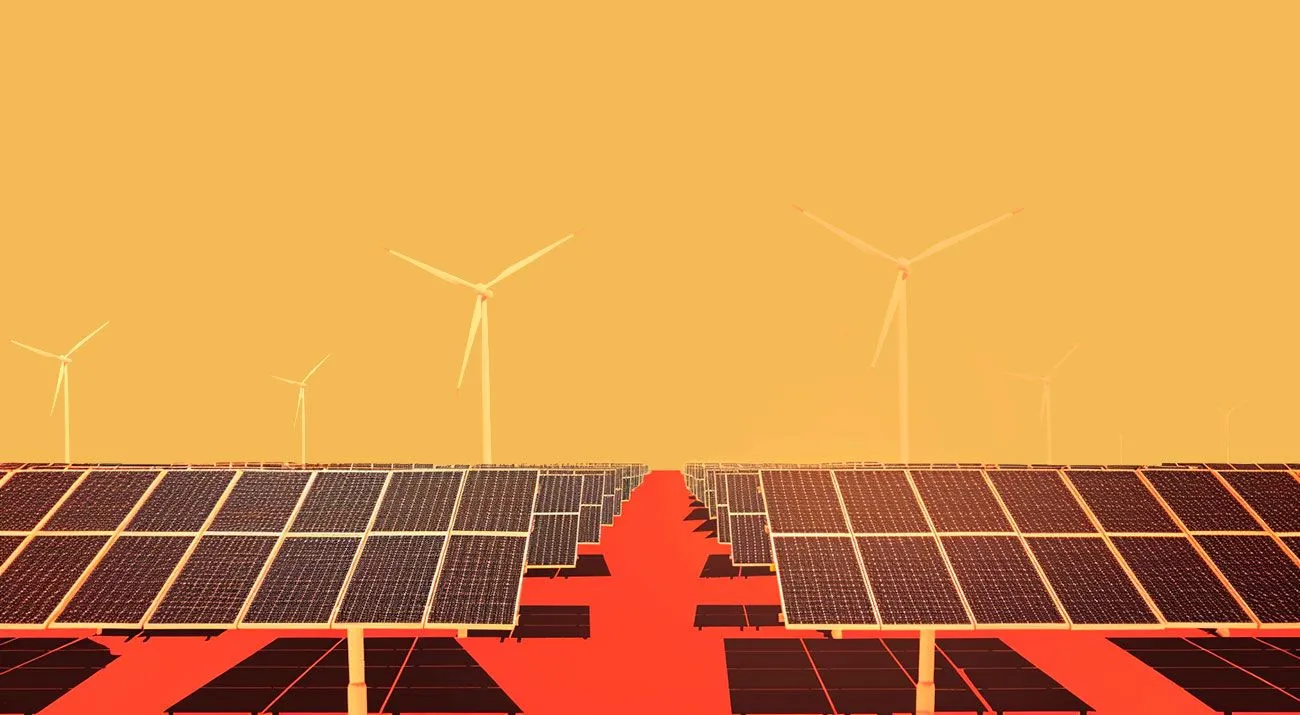
The Republicans might finally have their “one big beautiful bill,” but clean energy companies have a headache, as the new budget is seen taking an axe to clean energy incentives passed by the Democrats. A win for the fossil fuel industry, the new bill is having reverberating impacts before it even reaches President Trump’s desk.
Fossil fuel future: On Thursday, investors digested the bill passed by the House, which will head to the Senate. In its current state, the US would sunset tax credits for EVs and household appliances while gradually eliminating investment tax credits for wind, solar, and nuclear development. Jefferies analyst Julien Dumoulin-Smith called the bill a “worse than feared” scenario for clean energy, which generally serves as the cheapest form of electricity production option in markets where it’s available. It takes options off the table that supplement natural gas, America’s largest source of electricity, which could lead to lost jobs and higher energy costs.
- An analysis from non-partisan think tank, Energy Innovation, cautioned that the changes could raise household energy expenses by $230 over the next 10 years while reducing US GDP by $1.1T and impacting up to 1M jobs.
- Republicans have created avenues to prioritize oil, gas, and coal development — but depressed oil prices from waning demand and OPEC+ production hikes risk jeopardizing energy development.
No Sunlight
The iShares Global Clean Energy ETF fell 2.66% on the news, speaking to the reaction from the market. However, one industry was uniquely affected by the announcement — solar. The Invesco Solar ETF collapsed 8%, adding to a years-long skid for the fastest-growing source of US power.
- Residential solar firm Sunrun fell 38%, while energy tech companies Enphase, SolarEdge, and Nextracker fell 18%, 24%, and 3%.
- On the other hand, the leading US manufacturer of solar panels, First Solar, fell 5.2% as Republicans saved the manufacturing tax credit in their bill.
When a bill becomes a law: Changes to clean fuels and energy production are one subset of the new Republican budget and tax bill, which aims to cut government spending to subsidize tax cuts that disproportionately benefit the ultrawealthy. Further changes to the bill are likely in the narrower Senate, where Republican Senators like Lisa Murkowski remain holdouts on aspects of the big bill, warning that repealing credits “could lead to significant disruptions for the American people and weaken our position as a global energy leader.”

