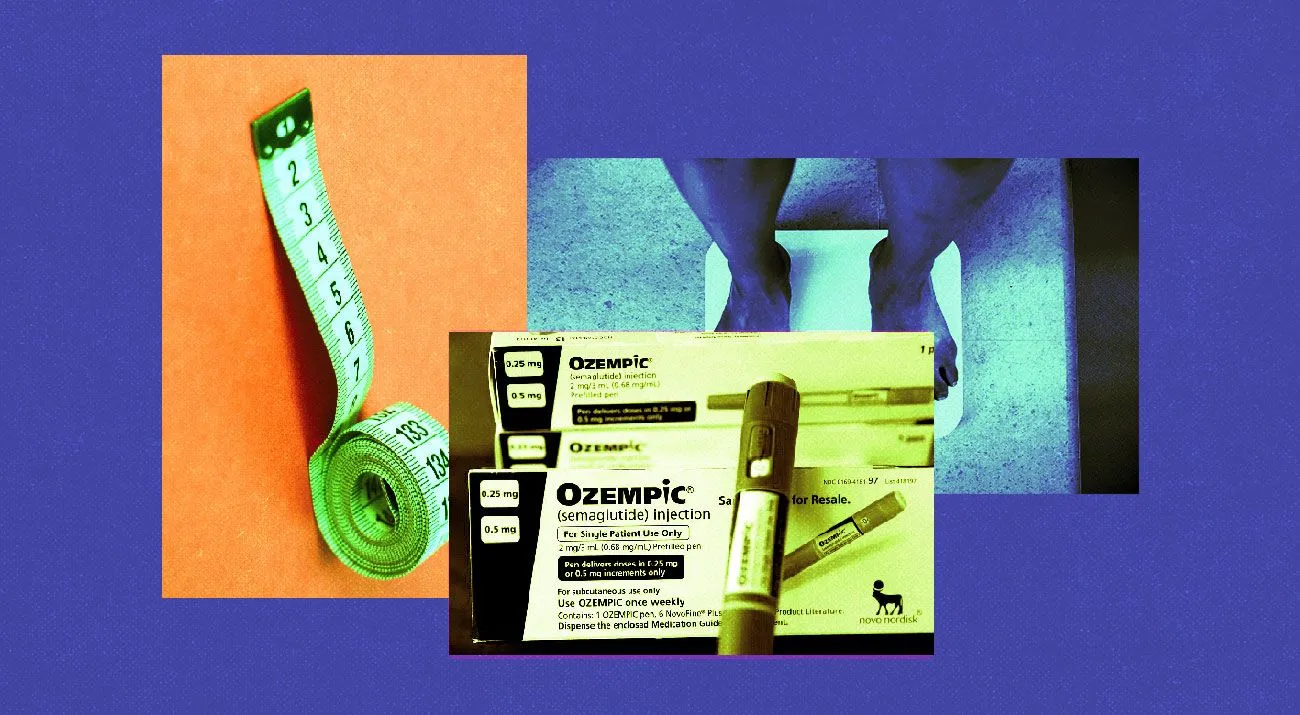
America’s waistline is shrinking, and its fridges are stocked with a new kind of perishable — prescription weight loss meds. Since 2019, GLP-1 usage has surged by 600%, with over 4% of US adults turning to treatments like Ozempic and Mounjaro in 2024 to tackle obesity or Type 2 Diabetes, according to data compiled by FAIR Health. But growing demand is still threatening access.
- Novo Nordisk’s Ozempic currently dominates the GLP-1 market, accounting for nearly half of all prescriptions in 2024, followed by Eli Lilly’s Mounjaro, which continues to gain traction.
- Despite their popularity, 80% of patients with obesity diagnoses received no treatment in 2024 — with insurance denials for GLP-1s climbing to 62%.
Dining out, slimming down: Restaurant visits among GLP-1 users have plummeted, with burger joint visits down 45% and overall restaurant patronage declining nearly 28% — a blow to an industry still recovering from inflation and the pandemic. Packaged food makers like Conagra are already reworking their lineups to align with these shifting preferences, while drugmakers roll out direct-to-consumer options at lower price points. Still, with annual costs approaching $6K, access remains out of reach for many. And with Morgan Stanley Research projecting that 24M (~7%) Americans will be on GLP-1s by 2035, the transformation in eating habits and broader culture may only be picking up speed.
Contributing reporting by Noah Weidner.

