Hollywood’s Copyright Nightmare Gets Worse Thanks To AI Videos Going Mainstream
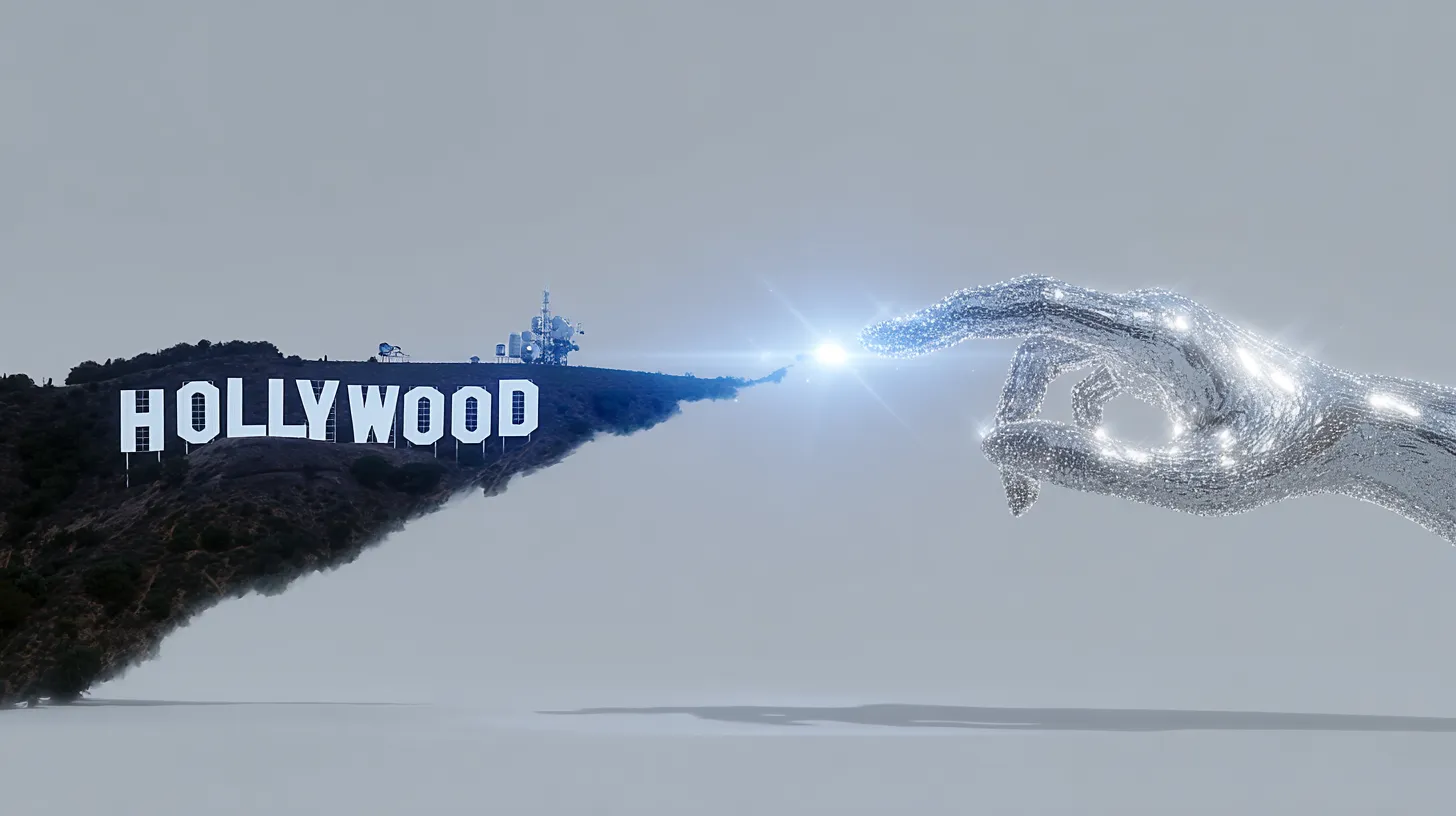
Creating professional video used to require cameras, actors, budgets, and time. Now it requires typing a sentence into an app. OpenAI’s Sora 2 launched last week and immediately shot to the top of Apple’s App Store, letting anyone generate sophisticated videos with simple prompts — including clips featuring copyrighted characters Hollywood spent decades building and billions protecting.
The copyright flood begins: Within hours of Sora 2’s release, users filled the platform with AI-generated videos of James Bond playing poker, Mario evading police in body cam footage, and characters from Disney films doing things their studios never approved. Meta launched a similar tool called Vibes around the same time, creating a TikTok-like experience where every video users scroll through is AI-generated. In response, the Motion Picture Association’s Charles Rivkin pressed OpenAI to “take immediate and decisive action” to stop the infringement proliferating across its service and social media.
- OpenAI initially required studios to opt out to prevent their characters from being used — but reversed to an opt-in model after backlash, with CEO Sam Altman informing that some “edge cases” may still slip through.
- Google’s Veo is reportedly more advanced than Sora 2, and with YouTube’s vast training data, the search giant holds advantages Hollywood simply can’t match.
Hollywood’s Great Fade-Out
The timing couldn’t be worse. Hollywood’s employment has collapsed from 142K motion picture jobs in Los Angeles County at the end of 2022 to just 100K by late 2024. Productions have dried up as studios cut spending after realizing streaming growth was slowing, and workers who once went months between gigs are now going years. Animators are retraining as medical professionals. Oscar winners are doing home renovation projects. People are selling their homes and leaving the city entirely.
- Film and TV production with budgets over $40M dropped nearly 30% in 2024 compared to 2022, with another 13% decline in the first three quarters of this year.
- Workers in LA and New York logged 18% fewer hours through mid-August than a year ago, with union health and pension data revealing the depth of the behind-the-scenes collapse.
The aftermath: Studios want OpenAI to stop copyright violations, while their own workers fear AI will replace them before they’re even back on set. Hollywood hoped to avoid a repeat of the internet’s media disruption, but tech isn’t waiting — companies are training on copyrighted content, launching viral tools, and forcing studios to play defense. With Sora 2 now having free access and Meta’s Vibes taking off, anyone with Wi-Fi can make videos that once required whole crews and huge budgets. For an industry that’s lost a third of its workforce and still can’t revive production, AI video tools mark a new low in Hollywood’s loss of control.

