Heating Costs Are on Fire This Winter — Here’s How to Put Out the Flames Before They Burn Your Budget
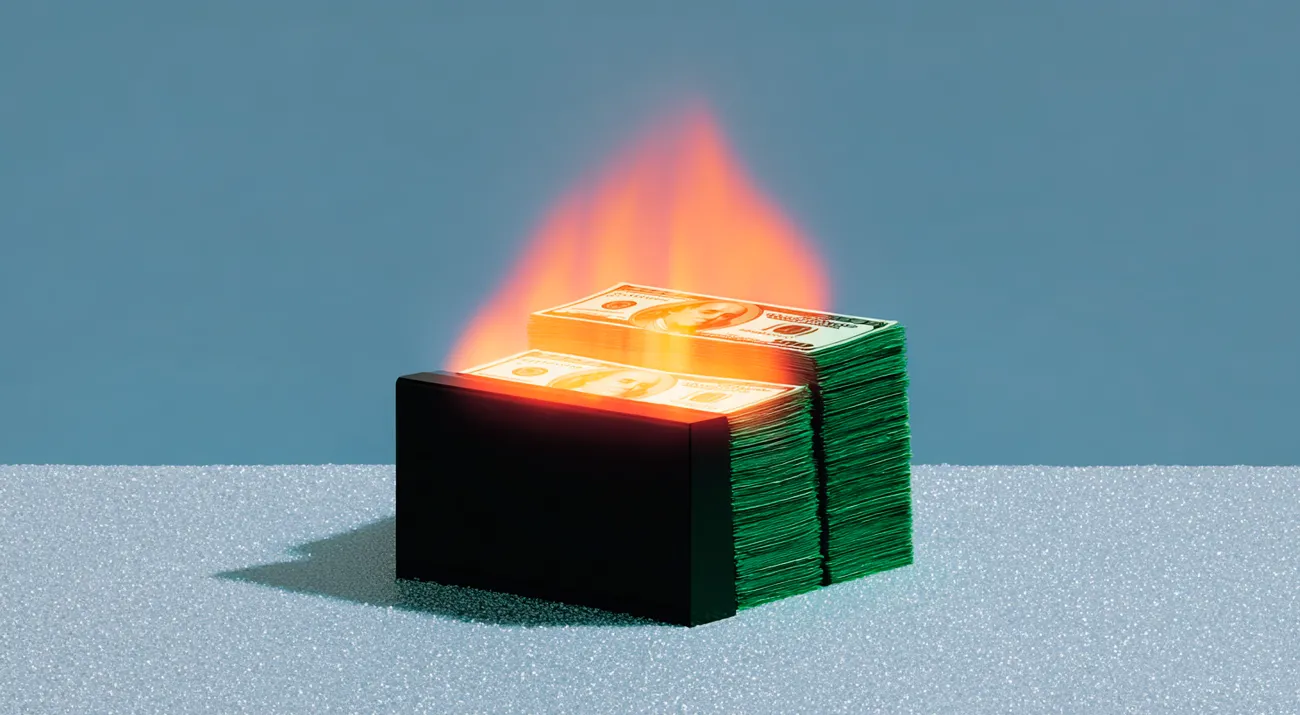
Staying warm this winter is going to cost more. Heating bills are expected to rise 7.6% from last year’s heating season to an average of $976, driven by pricier grid maintenance, surging demand from data centers, and global fuel disruptions from the war in Ukraine. Around 60 utilities have pushed through or proposed new rate hikes, with electricity prices projected to climb up to 18% in the years ahead.
- Natural gas users face 8.4% higher bills, while electricity-dependent households are looking at 10.2% hikes — adding to the strain after summer electricity bills already hit a record $776.
- Since Dec. 2023, unpaid energy bills have surged 31% to $23B, as more households fall behind on payments while carrying record debt levels of $18.39T nationally.
Your cost-cutting toolkit: Start by contacting your utility company for free energy audits, insulation rebates, and conservation programs. Small changes like lowering the thermostat a few degrees or unplugging idle electronics add up quickly. Low-income households can apply for federal aid through LIHEAP, while simple fixes like sealing air leaks deliver immediate savings. With winter demand set to push bills even higher, acting now can soften the blow.

