Google Has Gate-Crashed the Real Estate Party, and Portals Are Running for the Exit
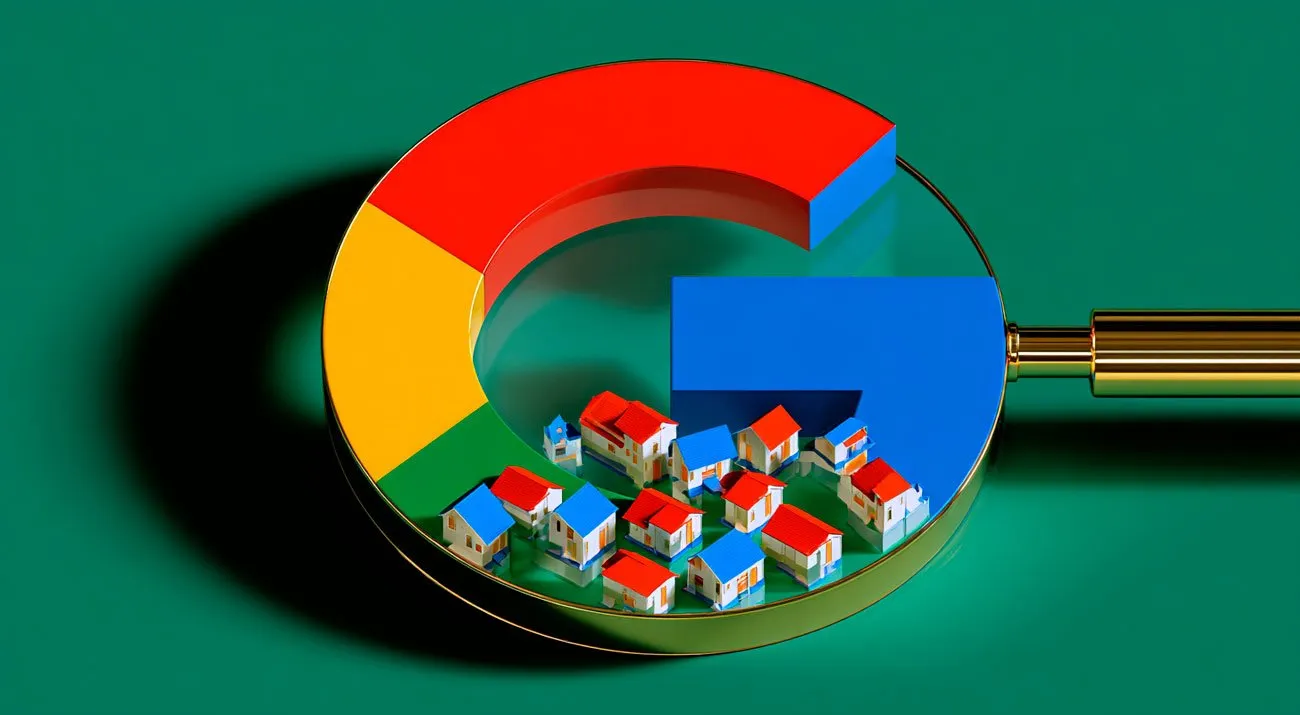
Google’s cheat code for disruption hasn’t changed much — enter a category, dominate search results, then watch incumbents scramble. The tech giant just ran that play on real estate portals, launching a test that displays property listings directly in search results. Zillow, CoStar Group, and Rocket plunged on the news as investors realized the online real estate business model might have just developed a fatal crack.
The disintermediation begins: Google’s experiment with HouseCanary’s ComeHome platform lets users view full property details, request tours, and contact agents without ever leaving search results — effectively replicating what Zillow built a $16.26B business around. The test is currently limited to mobile users in select markets such as Denver, Los Angeles, Miami, and Houston, where listing carousels appear at the top of search results with photos, prices, addresses, and key home details.
- Goldman Sachs analyst Michael Ng called the move a “long-term risk” for portals like Zillow, though he expects limited near-term impact since most traffic comes directly from apps and websites rather than search.
- Wells Fargo’s Alec Brondolo likened it to Google’s hotel search model, suggesting Zillow, Homes.com, and Realtor.com may end up bidding for listing ads — a shift that could raise traffic costs and weaken lead pricing power.
History Repeats Itself
Google has run this playbook before in travel, shopping, and local reviews, where owning the top of the funnel steadily drained pricing power from incumbents. As KBW analyst Ryan Tomasello put it, “the possibility of Google entering the property listings category has long been viewed as a tail risk” for real estate portals and related industry players. The challenge now is control over where demand begins:
- Zillow’s core business depends on selling buyer leads to agents, with fees that can reach up to 40% of an agent’s commission when a sale closes.
- If Google captures homebuyers at the initial search stage and funnels them directly to agents, Zillow’s lead pricing power and quality could face a permanent reset.
Breaking in: Real estate analyst Mike DelPrete, who first reported the development, said the shift could make 2026 “the most transformative year yet for the portal industry,” as exclusive listings and AI intensify competition. Oppenheimer analyst Jason Helfstein acknowledged the risk but cautioned that scale still matters, saying “the impact would likely take years to play out and would need to be rolled out across the US to meaningfully impact real estate portal traffic.” For now, Google is just poking the system to see what moves.

