eVTOL Companies Scored A Big Win From Trump’s New Executive Order — Investors Should Be Wary of Their Spending
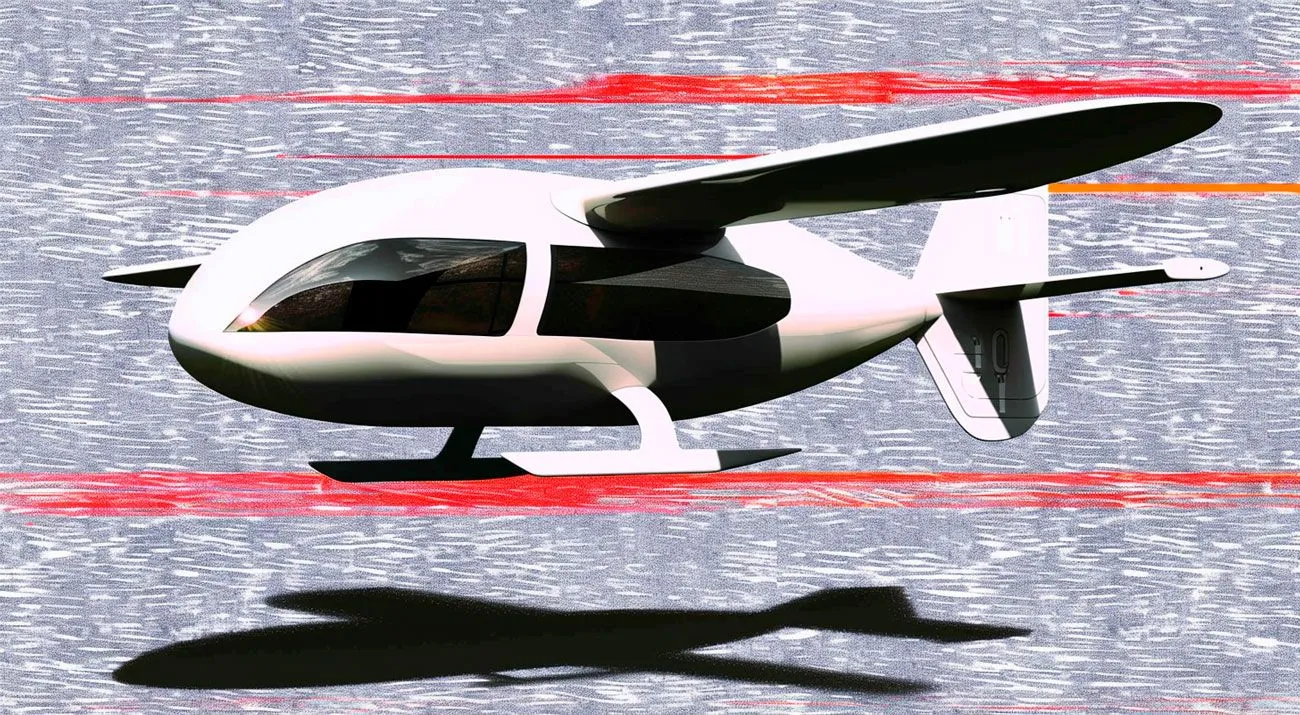
While ‘generational technology’ like quantum computing and autonomous robotics are struggling to get off the ground, air taxi companies like Joby Aviation and Archer Aviation finally seem to be lifting off.
Last week, President Donald Trump signed a series of executive orders that could clear the way for more innovation in aviation — from supersonic flight to the emergent electric vertical-takeoff-and-landing (eVTOL) firms. But despite the win, they’re not quite flying yet.
Not quite there: Both and jumped on the news, but investors aren’t necessarily celebrating yet — and it isn’t because the companies reported net losses of $82M and $93M in Q1 (…but it is related). Days after the executive order dropped, Archer announced a plan to sell $850M in shares to shore up cash to develop AI software and make a push for the LA Olympics. It’s a cautionary tale about the ills of investing in promising, up-and-coming technology.
- , which raised $300M in February, is down 11% since the stock sale news — but on the plus side, it says it now has a ‘liquidity position’ of $2B.
- has not raised additional money yet, but it’s no stranger to raising — it diluted investors in October by raising $500M, plus $300M in a public offering; it had $1.3B in liquidity at the end of Q1.
When Good News Is Also Bad News
Being pre-revenue, both businesses have capitalized on positive developments to raise additional money and extend their runway — a common tactic employed by management. Still, it remains to be seen if the money they’ve raised is enough for steady flight.
- Both firms are targeting late 2025 or early 2026 for their commercial launches, with Joby and Archer completing their first piloted test flights in recent weeks.
- However, that doesn’t necessarily mean we’ll be flying in air taxis anytime soon; with consumer demand seen hampered, Archer has been leaning into defense applications.
Anything to get there: and have inspired investors over the past year, up 83% and 227%, respectively, even in spite of the raises they’ve conducted. Still, analysts like Cantor Fitzgerald warn about spending, recently downgrading Joby, citing some $500–540M it expects to spend this year — and flagging the timeline of certification that would allow the company to begin commercial flight. If that’s the case for its closest competitor, it could mean trouble ahead for investors banking on an electric, high-flying future.

