Corporate America Is Spending Like Never Before on Executive Protection — And That’s Igniting Wall Street’s New Fear Trade
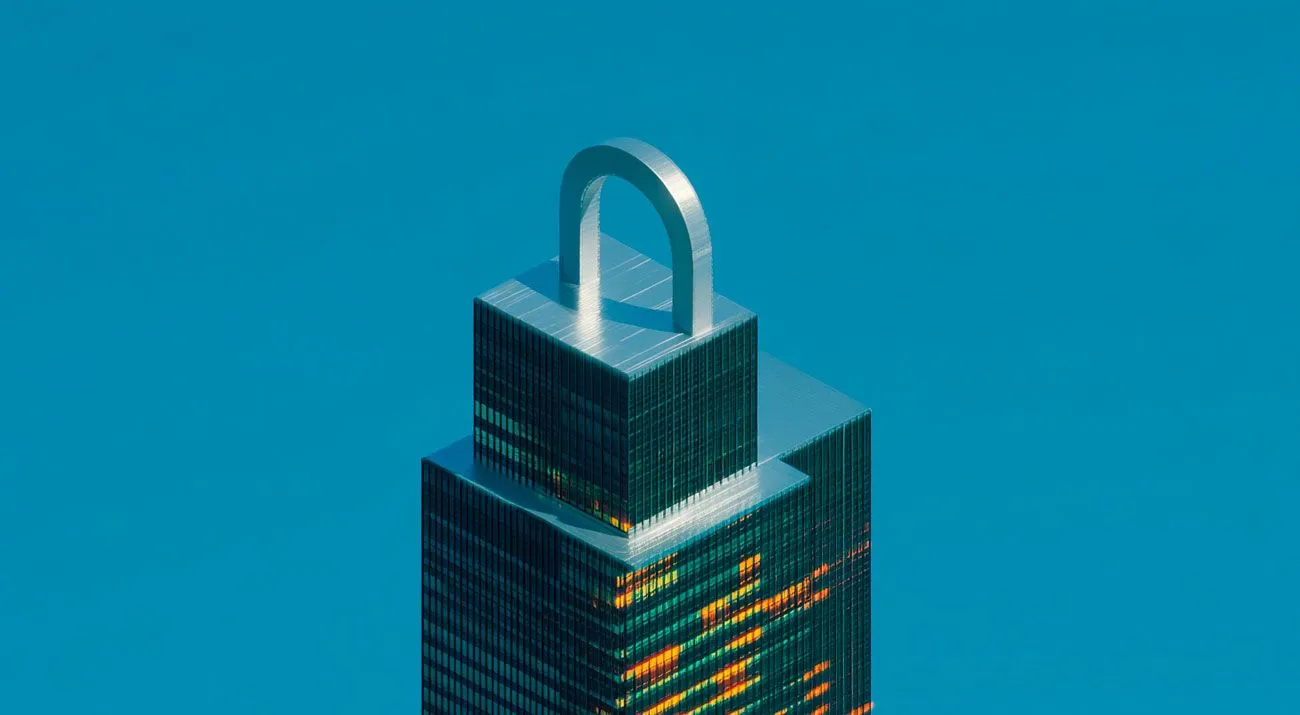
Following Monday’s fatal security breach at Blackstone’s Manhattan headquarters, companies across America are reassessing safety measures. The incident has become a wake-up call for America’s biggest firms, prompting a corporate security spending spree unlike anything Wall Street has seen — and sending security stocks soaring in the process.
Safety under scrutiny: Despite Blackstone’s steel-and-glass doors and an off-duty NYPD officer in the lobby, the gunman reached the 33rd floor and killed four people. It marked the second high-profile executive killing in New York in less than a year, following the assassination of UnitedHealth’s CEO in December. The reality is that traditional or even sophisticated protection measures aren’t sufficient to keep the workforce safe. To tackle this, businesses are now racing to reassess their protocols, fueling record demand for next-gen security and driving protection budgets higher.
- Even before Monday’s attack, S&P 500 firms were ramping up executive security — with median CEO protection costs rising from $15.7K to $28.4K last year, per ISS-Corporate.
- Since the breach, landlords like Brookfield Properties have been flooded with urgent requests from tenants to review and strengthen building security measures.
Investing In a Protected Future
This surge in security consciousness is creating clear winners in the stock market. Companies are racing to overhaul outdated systems, driving demand for everything from basic alarms to advanced AI-powered threat detection. The transformation is particularly beneficial for firms that can offer complete, end-to-end protection rather than fragmented fixes.
- Johnson Controls is up 32% in 2025, fueled by rising demand for integrated fire, HVAC, and security systems across commercial buildings.
- ADT shares are up 20% year-to-date, after Q2 sales rose 6.8% and CEO Jim DeVries reported record recurring revenue as businesses step up security spending.
The security paradox: As threats get more complex, so has investor interest. The Global X Cybersecurity ETF is up 20% over the past year, reflecting growing confidence in digital defenses. While physical security firms like Johnson Controls and ADT are seeing a spike in demand, there’s also rising pressure to prove their solutions actually work when old systems fail. Kroll CEO Jacob Silverman noted, “In today’s world, you’d be hard-pressed to say there are 100% certain prevention measures,” but added that recent incidents have pushed security higher on the agenda.

