China’s “Terrific 10” Are Giving The “Magnificent 7” A Run For Their Money Amid Tariff Market Meltdown
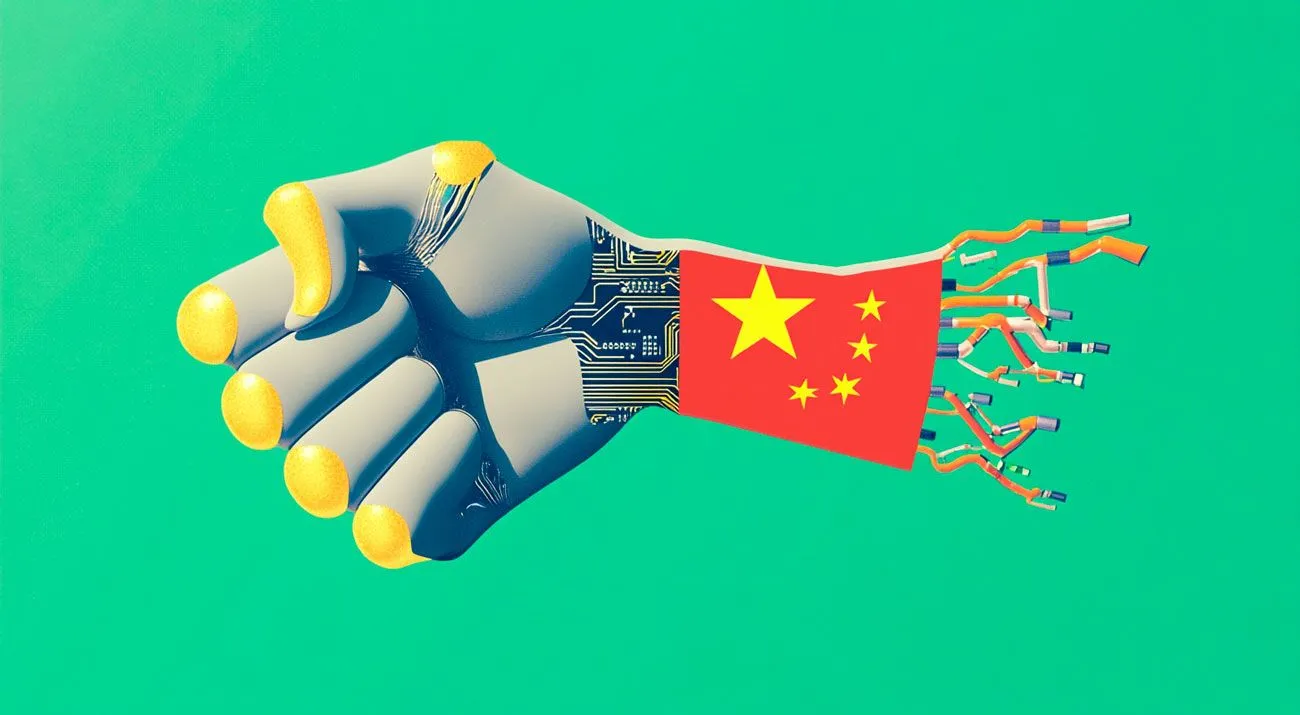
While the US swings its tariff wrecking ball at China, investors are spotting a golden opportunity in the Middle Kingdom’s tech sector. Despite reciprocal tariffs hammering what was set to be 2025’s best-performing stock market, China’s tech talent has shown resilience — with the so-called “Terrific 10” emerging as potential rivals to America’s Magnificent Seven.
Wall Street meets the Great Wall: Foreign investors are increasingly flocking to Chinese tech stocks, with sectors like electric vehicles, artificial intelligence, and semiconductors seeing the highest demand. Among these, China’s “Terrific 10” — including leading entities like Alibaba, Xiaomi, and BYD, stand out for their robust growth, value, and income potential. This prompted Neuberger Berman to dub these top performers the “Terrific 10,” noting their collective surge of over 100% since Dec. 2023. WisdomTree Investments’ Jeff Weniger highlighted that while few have noticed their performance, “China’s Terrific Ten can only be described as crushing the Magnificent 7.”
- Despite their significantly lower valuations, the “Terrific 10” are still attractive compared to US giants — for instance, EV maker BYD currently trades at a multiple of 20x, compared to Tesla’s ~100x.
- Even with that growth, the KraneShares CSI China Internet ETF — which holds many of these stocks — experienced a sell-off after recent tariff announcements, though it remains largely insulated from US policy impacts.
Made in China, Loved Worldwide
After being labeled “uninvestable” for years, global investors are returning to China’s markets, sparked by the rise of DeepSeek reinvigorating confidence in China’s tech innovation potential. The “Terrific 10” are just the tip of the iceberg — the nation’s tech leaders, including the “Six Little Dragons” and “Seven Sisters,” have ignited further market enthusiasm. This turnaround comes as President Xi shifts from past crackdowns, holding high-profile meetings with tech executives to signal renewed support. Additionally, Beijing is backing this revival with expanded innovation efforts, including a new bond platform and a doubling of the tech re-lending program to 1T yuan. These efforts have already started paying off:
- JD.com reported its fastest revenue growth in nearly three years, with a 13% rise in the December quarter, boosted by Beijing’s efforts to support consumer spending.
- Similarly, Alibaba’s latest AI model, QwQ-32B, has reportedly outperformed OpenAI’s o1-mini and DeepSeek’s R1 — despite having fewer parameters.
Beyond the hype: The fundamental challenges facing China’s economy haven’t disappeared overnight — an aging workforce and crippling debt levels still threaten to slow trend growth below 3%. Geopolitical tensions persist, too, with China vowing to match Trump’s new tariffs with 34% duties on US goods. Still, Stanford economist Xu Chenggang believes that while China’s trend of economic decline won’t reverse, it “might be able to escape a serious crisis that started a year ago and shift to a steadier, yet sustained, decline, giving it a chance to catch its breath” (NYT).

