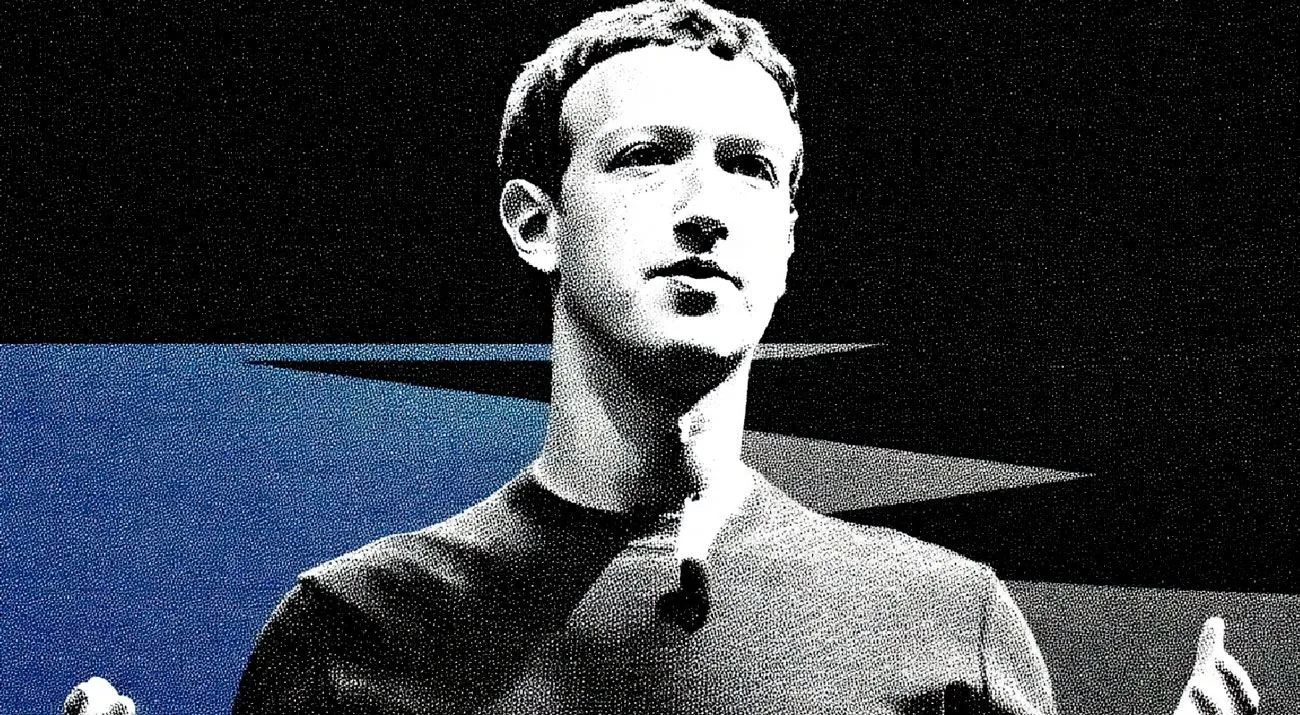
Zuckerberg’s checkbook has become Silicon Valley’s most feared weapon in the AI talent wars as it courts top minds from rivals like OpenAI and Google to build what insiders are calling a “superintelligence dream team.” But behind the spending spree lies a bigger question: what’s Meta’s endgame?
The talent war intensifies: Meta’s Llama models earned early praise for their open-source stance and reliable output. But with competition heating up, the real test is translating that buzz into meaningful traction, without leaning on benchmarks or overblown claims. However, Llama 4’s underwhelming debut fell short compared to performances from models from OpenAI and Google. To tackle this, Zuckerberg is pivoting from pure infrastructure spending to human capital investment by targeting the most differentiated advantage in today’s AI race — elite algorithmic talent.
- While the Facebook founder’s shopping list reportedly included potential acquisitions of Sutskever’s SSI (valued at $32B) and Perplexity ($14B), Zuckerberg settled for a majority stake of Scale AI ($14.3B) and CEO Alexander Wang.
- Since that big buy, Zuck has been recruiting for Meta’s Superintelligence team full time — adding notable hires like SSI CEO Daniel Gross, former GitHub CEO Nat Friedman, along with multiple OpenAI researchers like Shengjia Zhao.
High Turnover, Low Trust
Poaching top talent is one thing — retaining them is another. Meta’s AI teams have struggled with management churn, with just a 64% retention rate in 2024, plus mounting regulatory scrutiny over both hiring tactics and potential antitrust risks. OpenAI’s Sam Altman criticized Meta’s approach, telling his team that “missionaries will beat mercenaries.”
- Still, CFRA analyst Angelo Zino pointed out that while the AI talent acquisitions are long-term bets that won’t immediately lift Meta’s profits, “you need those people on board now and to invest aggressively to be ready for that phase” of generative AI development.
- The new Llama 4.2 model is reportedly narrowing the performance gap with OpenAI’s leading offerings in code generation and multimodal reasoning, while teams work on an even more ambitious “Behemoth” model.
Ad-ding it up: Since Meta’s now covered on the talent front, the company plans to invest up to $65B in capital expenditures for 2025, deploying ~1.3M GPUs to support its AI ambitions. One of the first practical targets of its AI ventures will be in ads, where the business makes the majority of its money — and could have been twice as profitable without years of platform restrictions from Apple and Google. But the bigger play is building an AI assistant that deeply understands users, with hopes of reaching 1B by 2025 and transforming ad targeting.

