Billions in Tariff Refunds Are Coming to Corporate America With a Turbulent Catch Attached
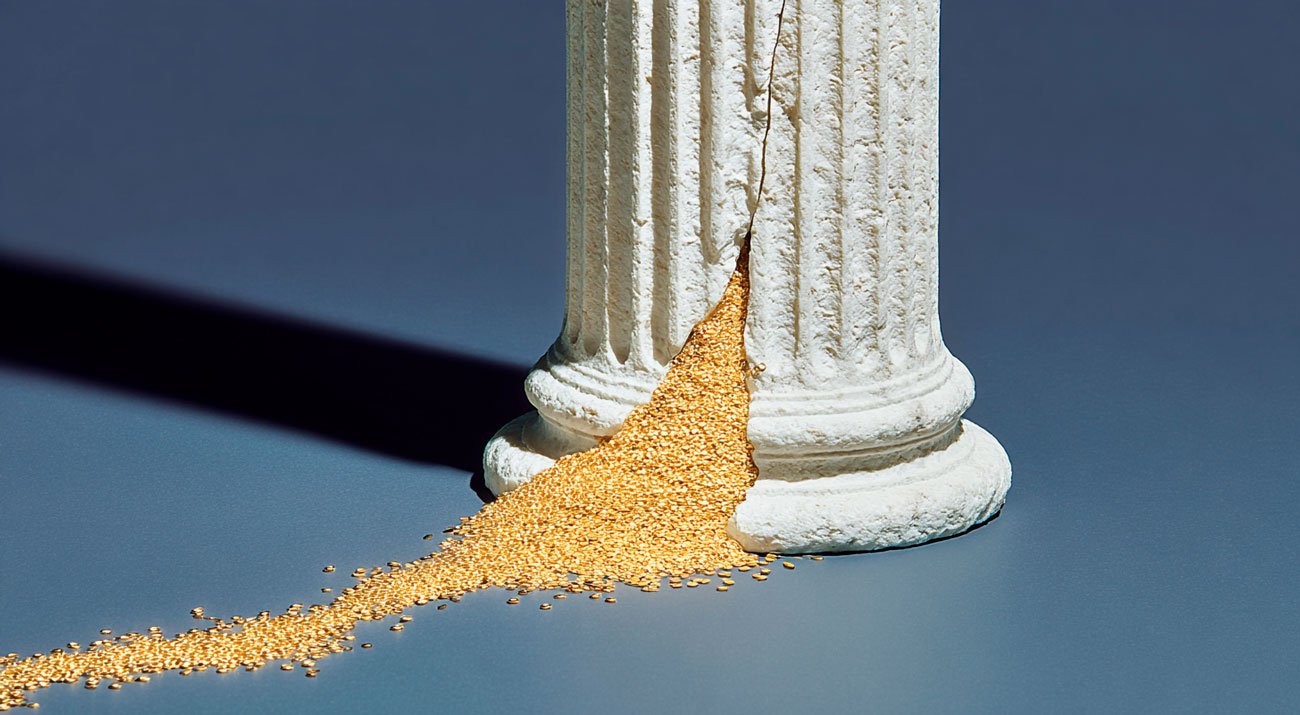
The Supreme Court handed Corporate America a legal victory — but don’t expect checks to arrive anytime soon. Following last Friday’s 6–3 ruling that President Trump’s tariffs imposed under emergency powers were illegal, companies began lining up to seek potential refunds. However, officials and analysts warn that the repayment process won’t be easy to execute.
The trade war aftershock: US Customs and Border Protection didn’t stop collecting the now-illegal tariffs until Feb. 24 — more than three days after the Supreme Court struck them down. Chief Justice John Roberts ruled Trump overstepped by using the International Emergency Economic Powers Act to impose duties unilaterally, voiding tariffs that had been pulling in over $500M a day. Estimates put potential refunds between $133B and $175B, and Justice Kavanaugh warned the unwind would be a legal “mess,” dragged through lower courts case by case. The fallout leaves the federal budget exposed, with tariff revenue previously helping offset the cost of tax cuts — and no clear replacement in sight.
- Over 1.5K cases are already pending at the US Court of International Trade, filed by importers including Costco and Goodyear.
- Refunds create an immediate cash squeeze for the Treasury, likely forcing higher debt issuance and nudging the 10-year yield toward ~4.25% as markets reprice borrowing needs.
Winners At The Docks
Import-heavy retailers and manufacturers are the clear winners from the ruling — assuming refunds actually show up. Apple alone has paid an estimated $3B in tariffs over the past three quarters, even after costly production shifts from China to India and Vietnam. Amazon, Walmart, and Costco could see outsized repayments, which analysts say may flow into special dividends, sharper discounting, or higher capex. A reinstated de minimis exemption — allowing imports under $800 to enter duty-free — would further strengthen Amazon’s core e-commerce economics.
- Apparel names like Nike and Lululemon could see supply-chain relief after Trump-era shifts, though Nike is still down ~40% over two years and Lululemon nearly 60%.
- Similarly, homebuilders Toll Brothers and Lennar could benefit from lower construction material costs as the Producer Price Index for construction sits at all-time highs.
Skepticism brewing: A Friday poll showed 64% of Americans opposed Trump’s tariffs even before the ruling, but any corporate relief was fleeting as the trade fight quickly resurfaced. Analysts warn the risk hasn’t disappeared — tariffs could return through other legal routes, reviving market volatility. That uncertainty is spilling overseas, with Japan’s investment pledge and Indonesia’s tariff-linked deals now in doubt. With up to $9.6T in foreign investment at risk, some strategists see rising odds of a recessionary bear market. Corporate America may have won in court — cashing in will be a separate battle.

