America’s Energy Fortress Holds Firm While Oil Shocks Fizzle in the Age of Shale
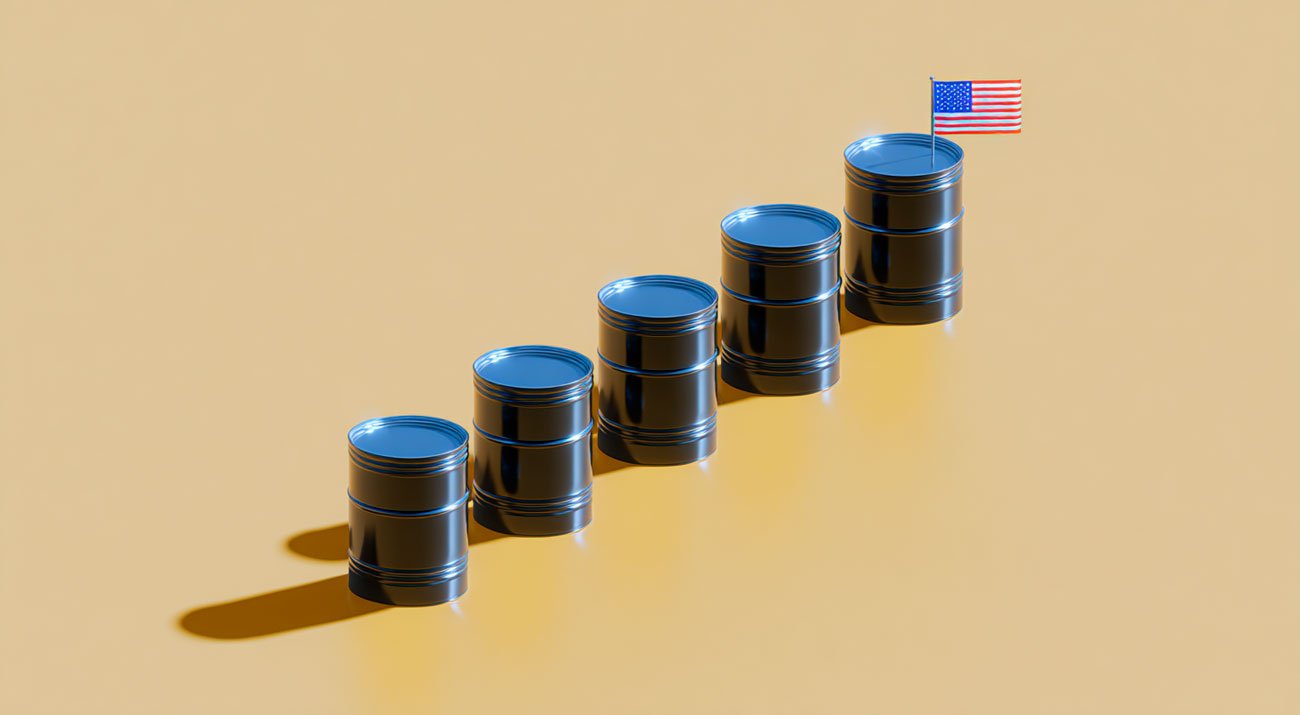
Oil shocks that once terrified the US economy now barely move the needle. Gas prices jumped more than 20 cents to about $3.20 after US-Israeli strikes on Iran, yet economists are not sounding recession alarms. The US now uses far less oil per dollar of output and has become the world’s largest oil and gas producer, turning what once would have been a major shock into a manageable headache.
The energy lifeline: The conflict has choked off ~20% of global oil flowing through the Strait of Hormuz and forced Qatar, which supplies a fifth of global liquefied natural gas (LNG), to halt production after drone attacks. US LNG exports have become the safety valve, with eight terminals now shipping 15B cubic feet a day, enough to heat 80M homes. Cheniere Energy helped lead this shift in 2016 by converting import facilities into export hubs that now help stabilize global gas markets. Thanks to this, Western energy giants stand to profit handsomely from the disruption:
- Shell, TotalEnergies, ExxonMobil, and Cheniere can sell LNG to Europe at roughly twice the delivery cost, far above last week’s 27–28% margins.
- European LNG benchmark prices have surged 44% and Asian prices 91% since late last week, creating windfall profits for exporters with spare capacity.
Skipping The Drilling Gold Rush
Do not expect American drillers to ride to the rescue. Even with oil above $80 per barrel, shale executives say extra cash will go toward debt reduction, buybacks, and dividends rather than aggressive drilling after a year of layoffs, idled rigs, and weaker prices. Even if companies wanted to ramp up, new supply would take months and require oil staying above $75 for a sustained period. Investors have already started pricing in the disruption, pushing LNG stocks up ~$38B in market value since the start of the year.
- Five major LNG stocks jumped 37% in value, though Venture Global’s net income would only roughly double if prices stayed elevated for six months.
- The US now exports about as much gas to Europe as Russia did pre-Ukraine, with Europe taking 68% of US LNG since 2022.
The new normal: America’s “oil intensity” has fallen more than 70% since 1979, which helps explain why this crisis feels different. Better fuel efficiency, natural gas replacing oil in heating, and the rise of renewables have reduced the economy’s vulnerability to supply shocks. However, analysts warn that many producers operate under long-term contracts that limit how much they can benefit from temporary price spikes. The world still runs on oil, but the US economy no longer depends on it the same way.

