America’s Cattle Crisis Has Put Beef Prices on a Multi-Year Elevation Track
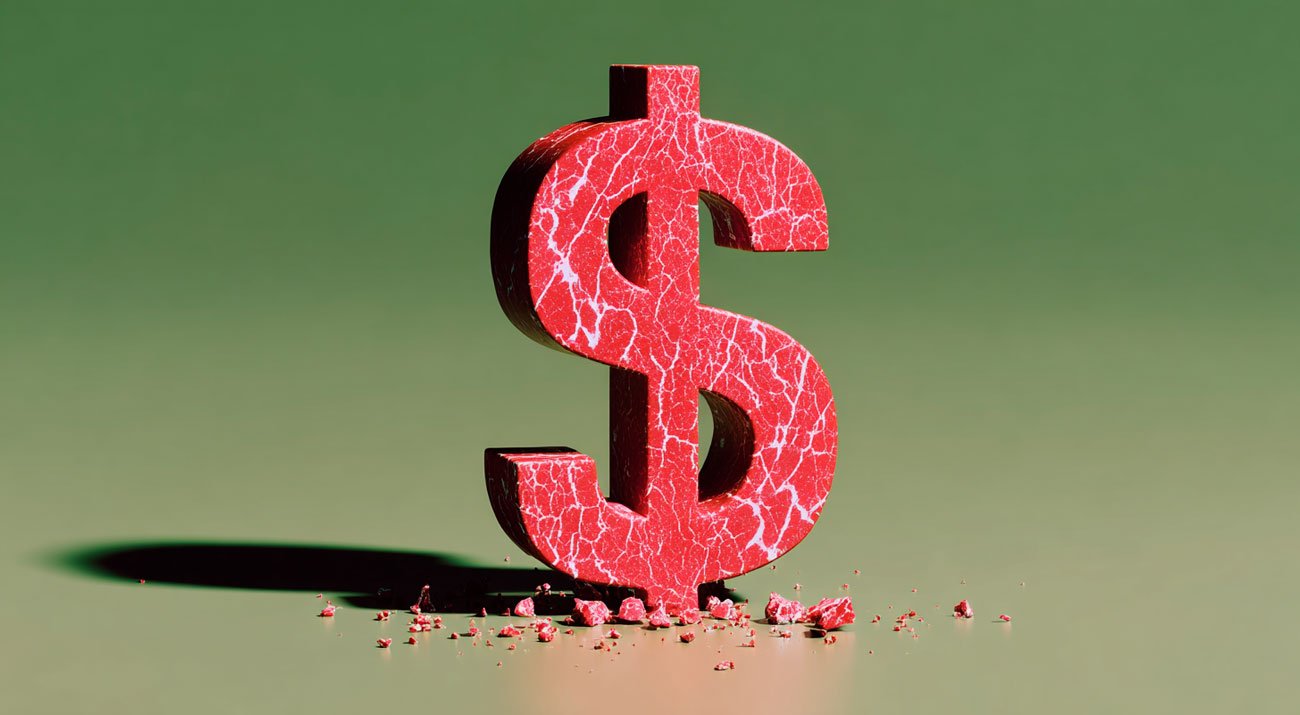
America’s beef industry is eating its own margins. The US is going through a cattle shortage, with the herd at its smallest since the early 1950s and beef prices up about 15% year-over-year. That scarcity is now squeezing processors and keeping prices elevated across the supply chain.
Processor’s nightmare: Elevated procurement costs are crushing meatpackers, turning higher retail prices into margin pain for Tyson Foods and JBS. Input expenses have outpaced what companies can realistically pass on to retailers, leaving Tyson’s beef segment roughly $426M in the red, and executives signaling continued weakness into fiscal 2026. The Trump administration’s moves to expand Argentine imports offer limited relief, as additional supply skews toward ground beef rather than higher-value cuts. The strain is now forcing capacity reductions and plant shutdowns as operators attempt to stabilize profitability.
- Tyson Foods shut its Lexington, NE, beef plant in Jan. 2026, cutting ~3.2K jobs and halving output at its larger Texas facility.
- Choice beef wholesale prices rose 16% in 2025, but packers couldn’t convert higher prices into profits as cattle costs climbed even faster.
The Lucky End
While meatpackers scramble to stop the bleeding, cow-calf producers at the start of the supply chain are gaining rare pricing power as cattle futures hit multi-decade highs. Kansas rancher Brandi Buzzard told Bloomberg, “In my opinion, you should be profitable right now as a cow-calf operation.” Still, even the winners sound cautious — with fifth-generation Oklahoma rancher Kacie Scherler saying rising equipment, repair, and land-rent costs have climbed alongside cattle prices, leaving today’s windfall feeling “extremely fragile.”
- Industry analysts peg 2028 as the earliest timeframe for meaningful herd expansion to reach retail counters, guaranteeing extended elevated pricing for both consumers and processors.
- The population of beef replacement heifers — young female cows designated for breeding — saw only a 1% increase as of Jan. 1, 2026, highlighting how slow the recovery is likely to be.
Fallout economics: Ranchers are hesitant to rebuild because the math doesn’t work. Young cattle fetch such high prices at slaughter that investing years into breeding stock makes little sense, especially with interest rates still elevated. President Trump has ordered investigations into meatpacking concentration and alleged collusion, though that push feels disconnected from a market where processors are currently losing money. For investors, ranching exposure through vehicles like the VanEck Agribusiness ETF and equipment makers such as AGCO could benefit from high cattle prices, while meatpackers may face continued margin pressure until supply recovers later in the decade.

